Key Takeaways
- Bali is still a safe place for international travelers. Tourism continues as usual, even with global tensions and local political changes.
- The main risks for visitors are scams, traffic accidents, food-related illness, unsafe alcohol, harassment, monkey encounters, and seasonal natural hazards.
- Choose trusted places to stay and reliable transport, have travel insurance, and keep your important documents handy to lower your risks.
- If you take sensible precautions and prepare well, you can enjoy a safe and confident trip around Bali.
You might wonder if it’s safe to visit Bali right now, given the ongoing tensions between Iran and the US and political changes in Indonesia. The answer is yes.
Even though the conflict between the USA and Iran has continued since early 2026, Indonesia, including Bali, has not been affected. Tourism here is still running as usual.
However, it’s still important to stay informed and take normal travel precautions. Here’s what foreign travelers should know before visiting Bali.
Current Safety Situation in Bali
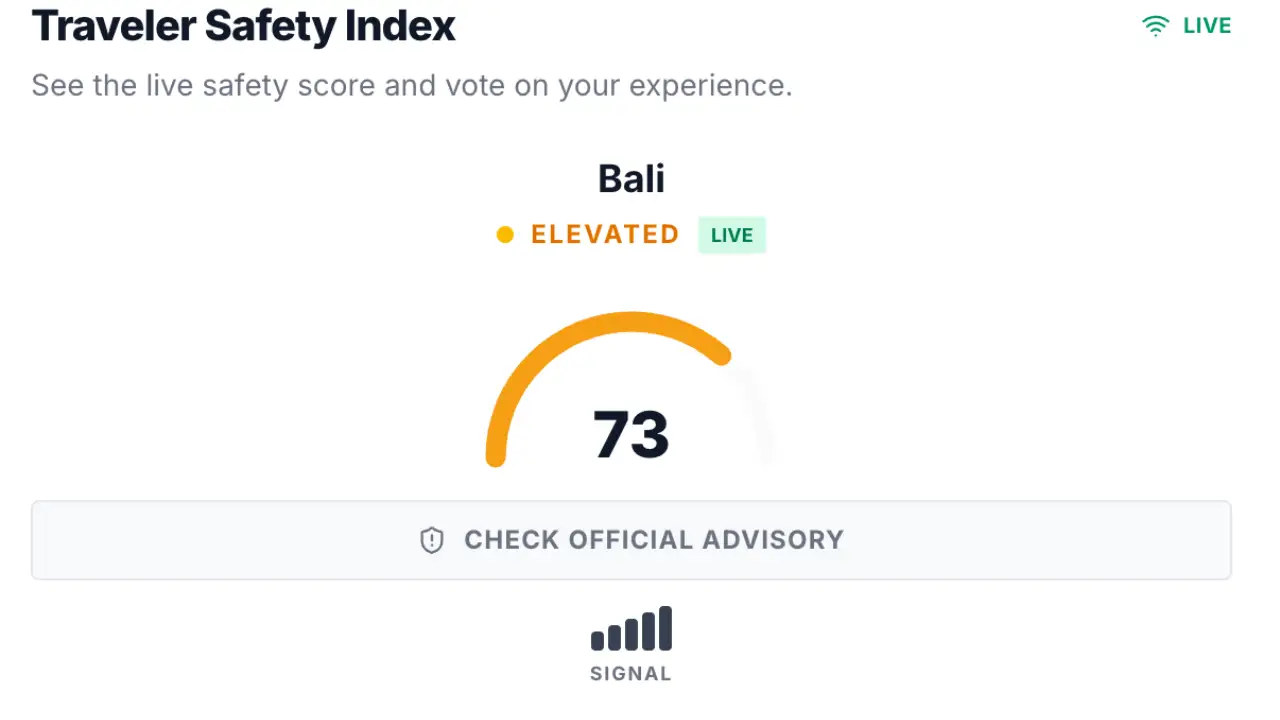
According to the live Traveler Safety Index, Bali’s safety status is rated as "Elevated" with a score of 73 out of 100 as of July 15, 2026, when this article was written.
Bali is still considered safe for international travelers who follow normal safety steps. Tourism remains strong, with 623,592 international visitors in June 2026, according to an official report from BPS Statistics Indonesia for Bali Province.
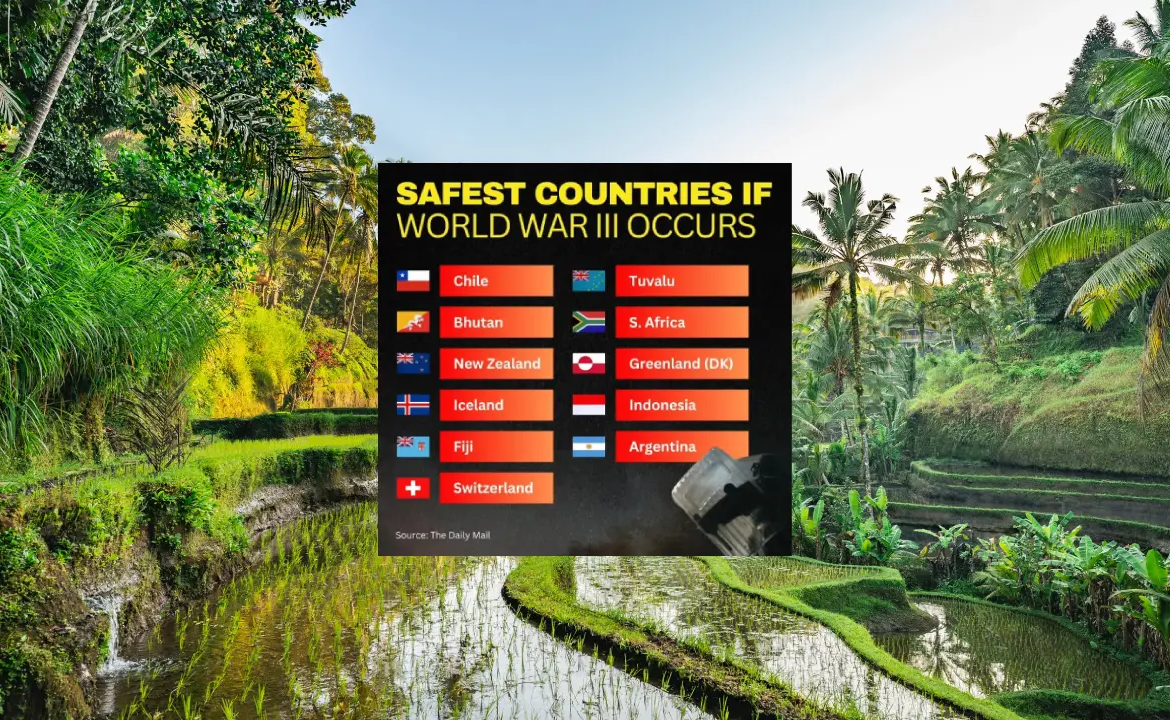
Is Bali Safe from World War III?
Yes. Bali is geographically and politically separated from global conflicts. Indonesia follows a strict policy of neutrality, and Bali’s location far from conflict zones means tourism and daily life continue as normal.
Although the risk of World War III remains highly theoretical, visitors to Bali should focus on everyday safety concerns.
Reported Incidents in Bali by Travelers
Based on traveler reports from the the Traveler Safety Index, here are the top 10 types of incidents:
- Scams: 104 reports
- Harassment: 27 reports
- Theft: 17 reports
- Assault: 11 reports
- Transport issue: 9 reports
- Armed robbery: 5 reports
- Discrimination: 3 reports
- Affective conflict: 2 reports
- Drugging: 1 report
- Civil unrest: 1 report
Please note that these numbers come from user live reports and are not official police or crime statistics. However, the data shows that scams are the biggest safety issue for travelers in Bali, and it can take many forms.
For example, there are "minor" scams, such as local sellers charging tourists higher prices, or people offering fake free holidays, scratch cards, or special prizes.
This type of scam mostly occurs in busy tourist areas such as Kuta, Legian, and Sanur. Scammers lure tourists into high-pressure timeshare presentations, which may involve hidden fees, unclear membership terms, or long contracts.
We have personally encountered vendors attempting to scam customers by selling low-value items at highly inflated prices. Some also pressure people into buying expensive discount coupons that have already expired.
Other scams are more serious and can lead to major financial losses, such as fake accommodation listings and fraudulent villa bookings.
Read More: Practical Guide for First-Time Solo Travelers When Visiting Bali

Common Concerns Among Visitors in Bali
- Bali Belly: An informal term for travelers’ diarrhea, which is commonly linked to contaminated food or drink, or poor food-handling practices.
- Methanol Poisoning: This happens when illegally made or contaminated alcohol is mixed into drinks. It’s rare, but it can cause serious illness, permanent vision loss, organ damage, or even death.
- Monkey Attacks: Monkeys in areas like Ubud, Uluwatu, and temple sites might grab food, sunglasses, phones, bags, or other loose items. They can scratch or bite if touched, threatened, or provoked.
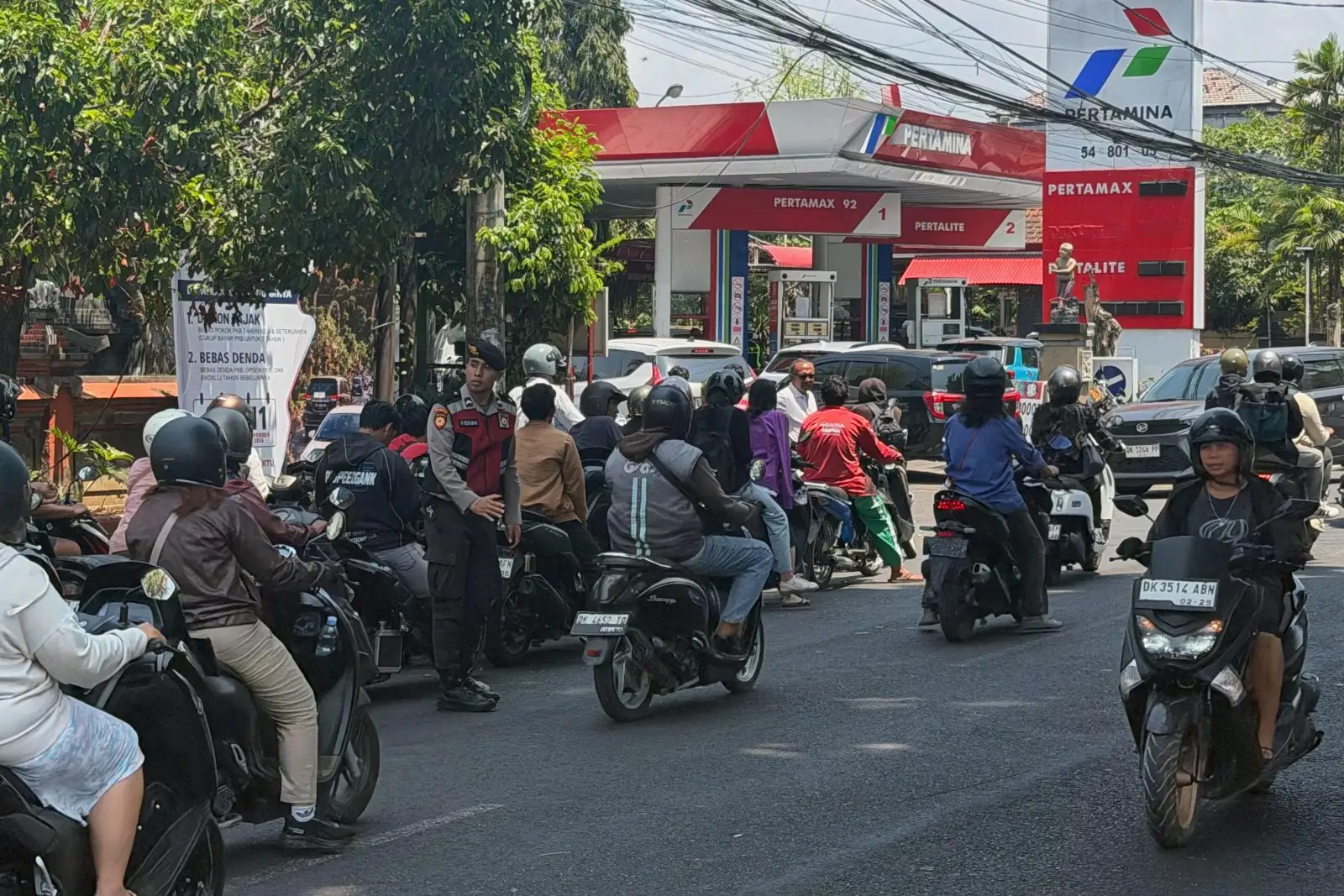
- Scooter and Traffic Accidents: Bali’s traffic can be very different from what you might be used to. Roads can be narrow, crowded, poorly lit, and shared by cars, scooters, people, and animals. If you’re not experienced with riding, it’s best to use a registered taxi, ride-hailing service, or hire a private driver.
- Natural Disasters: Heavy rain may cause temporary flooding, traffic disruption, landslides, and dangerous road conditions, particularly during Bali’s wet season.
- Public Protest: As a democracy, Indonesia sometimes has political demonstrations. Most large protests take place in Jakarta, but smaller ones can also occur in Bali, especially in Denpasar, where many government offices are located.
- Bali Breakup Curse: An internet myth suggesting that unmarried couples who visit Bali together will eventually separate. There is no evidence that Bali causes relationships to end.
Practical Tips for Travelers Visiting Bali
Bali is generally safe, but it’s still important to be smart when you travel. Taking a few simple precautions can help you enjoy your trip without stress:
- Stay Updated on Flight Status: Check your airline regularly before departure and during your trip. It’s also a good idea to choose flexible tickets whenever possible.
- Choose Reliable Airlines and Routes: If you’re concerned about disruptions, consider airlines that don’t rely heavily on Middle East transit routes, or look for alternative connections through Asia.
- Have Travel Insurance: Make sure your travel insurance covers delays, cancellations, and unexpected changes.
- Keep Extra Buffer Days in Your Itinerary: Leaving a 1–2 day buffer before your return flight can help you handle unexpected delays without pressure.
- Prepare Essential Documents and Digital Copies: Keep your passport, visa on arrival (VOA), All Indonesian Arrival Cards, insurance, and flight details easily accessible. Save digital copies on your phone.
- Stay Near Key Facilities: Choose accommodation in areas with good access to hospitals, transport, and services.
- Stay Connected and Informed: Have a local SIM card or eSIM so you can receive updates, check news, and stay in touch easily. Follow your airline and local authorities for any important announcements.
Read More: How Does eSIM Work on Grab App? A Guide for Foreign Travelers in Bali
Conclusion
Yes, Bali is safe to visit right now, even with concerns about global tensions and talk of a new world war. It’s still a good idea to keep an eye on the news, but these issues haven’t disrupted tourism on the island.
The main things visitors should watch out for are scams, road accidents, food and drink safety, petty crime, and seasonal weather. Be especially careful when booking a villa to avoid fake listings or scams.
Bali Villa Realty by iLot is your trusted real estate advisor with local expertise. Contact us anytime if you need help finding a villa for your stay in Bali or just want some simple advice about the island.
FAQ
Indonesia is generally considered relatively safe due to its neutral foreign policy and non-aligned stance in global conflicts.
Avoid disrespecting temples or ceremonies, touching someone’s head, urinating in public, and using single-use plastics, as these actions are culturally or environmentally discouraged.
Some areas experience pollution, heavy traffic, and limited public transportation.