
Key Takeaways
- Methanol poisoning is a serious risk in Bali and Southeast Asia, with multiple reported deaths and injuries among tourists and locals.
- Methanol is often illegally added to alcohol as a cheap substitute, and contaminated drinks can look and taste normal.
- You can reduce the risk by choosing reputable venues, avoiding suspiciously cheap drinks, checking seals, and sticking to sealed beer or wine.
- Know the symptoms (blurred vision, nausea, confusion, breathing issues) and seek immediate medical help if suspected. Fast treatment saves lives.
Traveling to Bali comes with plenty of exciting experiences, but it’s still important to be careful about what you eat and drink. One risk to be aware of is methanol poisoning, which can affect both visitors and locals.
The issue has received significant attention over the years. You can find discussions about methanol poisoning on Reddit and other social media platforms, where illegally mixed or adulterated alcohol is often referred to locally as “oplosan.”
In this article, we’ll explain what methanol poisoning is, how to reduce the risk, and most importantly, what to do if you or someone else may have been exposed.
What is Methanol Poisoning, and Why Do People Put It in Drinks?

Methanol is an industrial chemical found in antifreeze and windscreen washer fluid. It is extremely poisonous and not meant for human consumption. What's worse, it can taste and look like alcohol and have similar initial effects, such as causing nausea.
That's why most people may not realize anything is wrong at first. Hours later, as the body breaks it down in the liver to eliminate it, it can cause damage.
Formaldehyde, formate, and formic acid are harmful byproducts of this process. These accumulate and damage organs and nerves, resulting in blindness, coma, and even death.
So why do people put methanol in drinks? Methanol increases the alcohol content, and since it has no flavor and only a slight scent, you won't notice the drink is tainted.
The Methanol Institute—a global trade association representing methanol producers—explains that methanol is sometimes illegally added to alcoholic drinks as a cheaper substitute for ethanol, particularly in countries where legal alcohol is expensive. Similar methanol poisoning incidents have been reported across Southeast Asia, including Cambodia, Vietnam, and the Philippines.
Read More: Bali Belly Explained: Meaning, Symptoms, and How to Cure It Fast
How Often Does Methanol Poisoning Happen in Bali?
Unfortunately, there have been several cases of methanol poisoning in Bali. A study by the Centre for Indonesian Policy Studies found that between 2013 and 2016, at least 487 deaths in Indonesia were linked to toxic, illegally produced alcohol.
Here are some widely reported cases about this issue:
- 2023: Sydney real estate agent, Charlie Bradley (28), died just hours after drinking at a beach club in Canggu. The exact cause remains unclear, but it was widely suspected to be methanol poisoning from tainted spirits or cocktails he drank that day.
- 2022: Kirsty McKie (38) from the UK passed away after unknowingly consuming alcohol contaminated with methanol. She was known to be careful and always purchased her drinks from trusted “high-end suppliers,” but tragically, she still consumed a poisoned drink at home with a friend in Bali, where she’d lived for eight years.
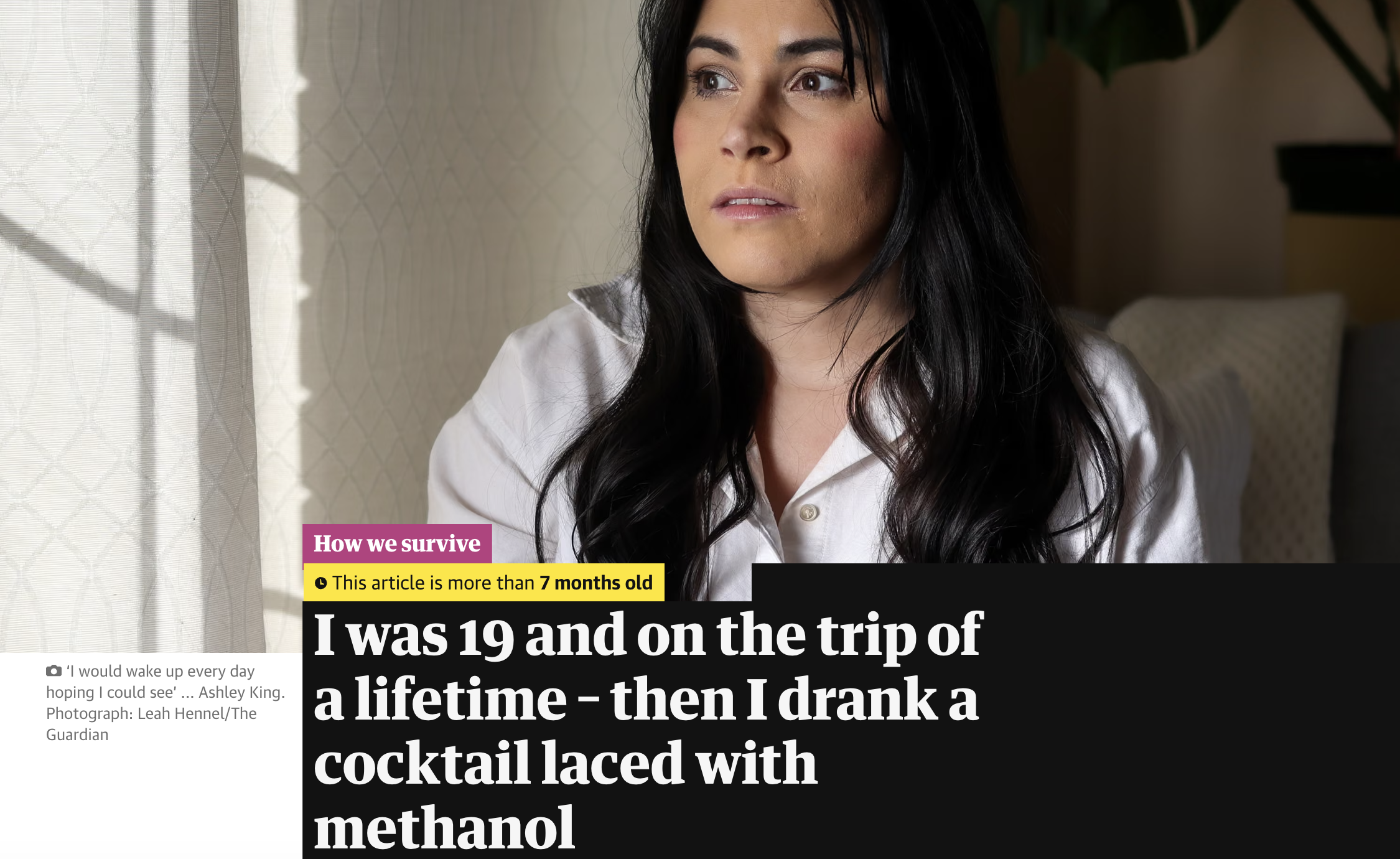
- 2011: Canadian tourist Ashley King (19) was served a fruity vodka mix in a reusable plastic bottle. The drink was believed to contain methanol. She survived, but the poisoning caused permanent blindness.
One of the earliest incidents noted by MSF occurred in Bali back in 2009, where around 25 people lost their lives, including several foreign nationals. Years later, in 2018, another major tragedy was recorded in West Java, where reports stated that more than 60 people died after consuming bootleg liquor.
Specialists suggest these numbers may represent only a fraction of the real situation, as many cases are likely never officially reported.
This issue is widely discussed online as well. The image below, shared by a Reddit user, briefly explains the methanol poisoning problem that often occurs across Southeast Asia.

How to Avoid Methanol Poisoning in Bali
Contaminated alcohol can show up anywhere, whether you’re at a backpacker bar or a high-end hotel. Here’s what you can do to greatly lower your risk:
- Choose reputable venues: Stick to well-known bars, restaurants, and beach clubs. While this reduces the risk, it doesn’t completely eliminate it, as cases have been reported even in upscale spots.
- Watch your drink being poured: Only drink from bottles or cans you see opened in front of you. This is the safest way to make sure your drink hasn’t been tampered with.
- "Steer clear, drink beer": Beer in sealed bottles or cans is usually the safest choice. It also helps you stay hydrated in Bali's hot climate. It's best to avoid drinking spirits altogether.
- Be careful with cheap alcohol: If the price seems too good to be true, it probably is. Avoid home-brewed spirits or drinks that cost far less than the market average.
- Check bottles carefully: Look for intact seals and clear, professional labels. Watch out for misspellings, blurry print, or packaging that looks suspicious.
- Buy from trusted stores: Even in supermarkets, some branded bottles may have been refilled with home-produced alcohol. When in doubt, stick to sealed beer, wine, or soft drinks.
Read More: Can You Drink Tap Water in Bali? Essential Safety Tips for New Residents
Additional Travel Tip: Always Carry Activated Charcoal
If methanol poisoning is suspected, taking activated charcoal right away may help slow the spread of toxins until you can get to a hospital. You can buy it in capsules or powder form at most pharmacies before your trip.
Of course, charcoal is not a cure, but it can be a first line of defense while you seek urgent medical care.
How Do You Tell if You Have Methanol Poisoning?
As mentioned before, the tricky thing about methanol poisoning in Bali is that it can feel just like a bad hangover at first. That’s why it’s important to know the warning signs.
Early symptoms (can appear within hours):
- Nausea, vomiting, and stomach pain
- Feeling tired, dizzy, or confused
- Shortness of breath or trouble breathing
Later symptoms (12–48 hours after exposure):
- Headaches and blurry vision
- Sensitivity to bright light
- Tunnel vision or “static vision” (like an old TV screen)
- Sudden blindness
- Seizures or even coma
If you or someone you’re with shows these symptoms, get emergency medical help right away. The faster the treatment begins, the better the chance of recovery.
Read More: The Truth of Bali Breakup Curse (And How to Avoid It)
How Methanol Poisoning Is Treated
Doctors in Bali hospitals use several methods to treat methanol poisoning:
- Ethanol (ordinary alcohol) – blocks methanol from turning into toxic acid.
- Fomepizole – a drug that stops methanol from breaking down inside the body.
- Dialysis – helps clean the poison from the blood.
- Activated charcoal – absorbs toxins in the stomach before they spread.
- Sorbitol – may be used to flush the system faster.
Conclusion
Methanol poisoning in Bali is a real risk that travelers shouldn’t ignore. The good news is that with a little awareness and some simple precautions, you can stay safe while still enjoying your trip. Always be aware and seek urgent medical care if something feels wrong as soon as possible.
FAQ
Yes. Many patients recover if they receive treatment quickly. However, damage to the eyes and brain can be permanent in severe cases
Ethanol slows down the breakdown of methanol and reduces toxic byproduct buildup. But controlling the correct dosage can be challenging, and levels may become too low or too high.
Symptoms usually start 12–24 hours after exposure, but can appear sooner or later. If ethanol is also consumed, it may delay symptoms for days.
Even small amounts can lead to blindness, severe brain damage, and death if untreated. Making early detection and emergency treatment critical.