Key Takeaways
- Bali tap water should not be treated as drinking water unless your property has a properly designed and maintained purification system.
- Bottled or filtered water is the safer choice for drinking, cooking, making coffee, and brushing your teeth.
- Boiling can reduce microbial risks, but it does not remove every contaminant, including heavy metals that may be present in the water supply.
- Villa owners have additional concerns beyond drinking water. Hard water can cause limescale, stain fixtures, affect pools, and shorten the lifespan of plumbing and appliances.
- A whole-house filtration system combined with drinking-water purification can be a practical long-term solution for Bali homeowners.
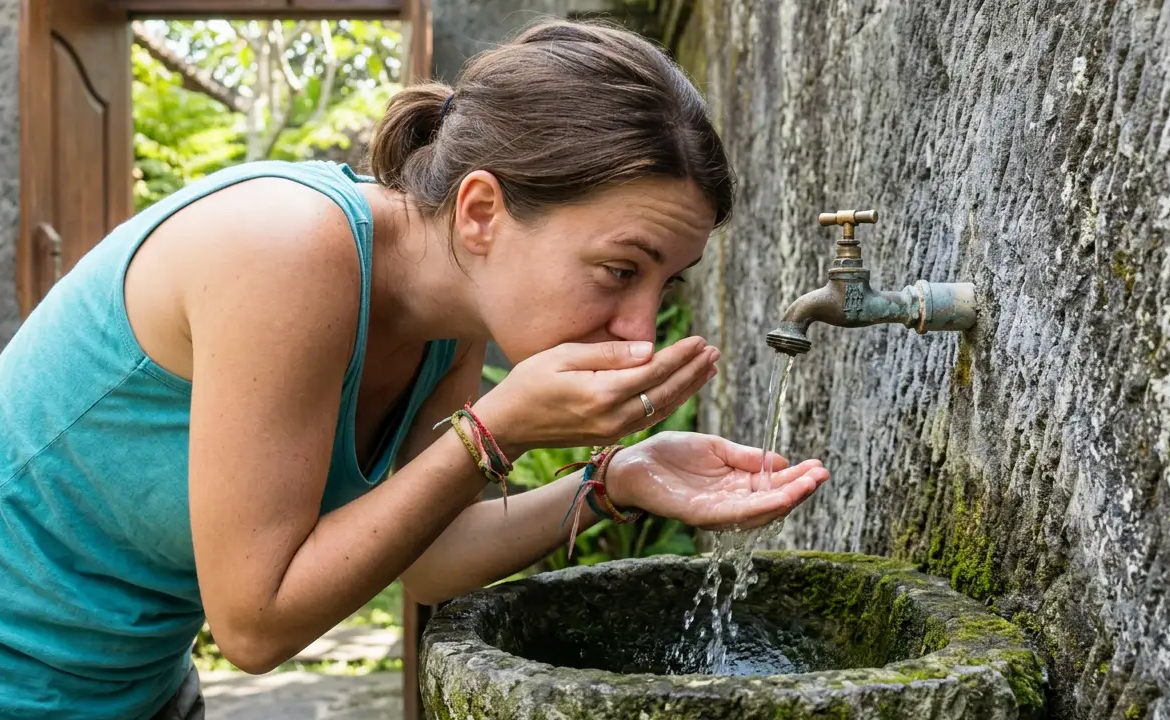
Is Bali tap water safe to drink? Unfortunately, no. Drinking untreated tap water in Bali can expose you to microorganisms that may cause gastrointestinal illness, including what travelers commonly call Bali belly.
Bali's household water generally comes from municipal supplies or groundwater sources such as deep wells (sumur bor). The quality can vary considerably depending on the property, location, plumbing system, and water source.
Contamination can also happen after water enters the distribution system. Leaks and aging pipes, for example, may allow contaminants from the surrounding environment to enter the water before it reaches a property.
For that reason, if you normally drink straight from the tap at home, it is worth changing that habit while living or traveling in Bali.
Why is Bali Water Not Safe to Drink?
- Bacteria and other microorganisms: Untreated or contaminated water may contain bacteria, viruses, or other microorganisms capable of causing gastrointestinal illness. More serious waterborne illnesses can also occur when water becomes heavily contaminated.
- Minerals and heavy metals: Groundwater can contain naturally occurring minerals, while older plumbing may introduce additional contaminants. Bali also commonly has hard water, which can leave mineral deposits throughout a property.
- Agricultural and environmental contamination: In some areas, substances from agriculture, wastewater, soil, or surface runoff may eventually reach groundwater sources.
Water quality can also become less predictable after periods of heavy rain or flooding, when contaminants may enter groundwater and distribution systems more easily.
Read More: How to Stay Safe from Methanol Drink Poisoning in Bali
Can You Brush Your Teeth With Tap Water in Your Bali Villa?
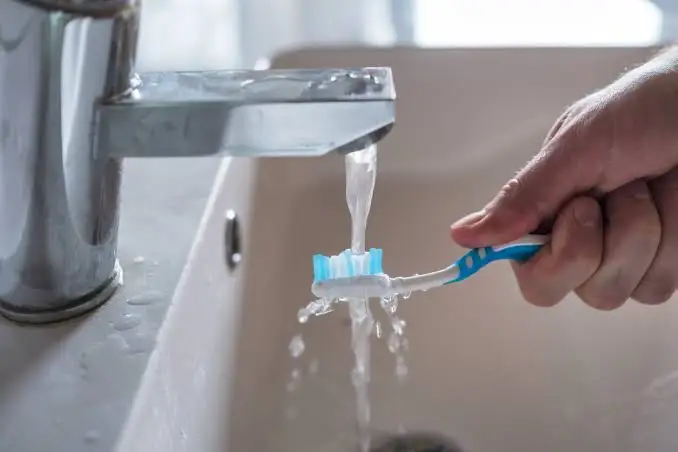
The simplest precaution is to use bottled or properly filtered water for brushing your teeth, especially if you have a sensitive stomach.
However, accidentally swallowing a small amount of tap water does not mean you will automatically become sick, but avoiding unnecessary exposure reduces the risk.
For showering, bathing, and washing your hands, regular tap water is generally used throughout Bali. The main concern is swallowing untreated water rather than normal external contact with it.
Why Water Quality Matters for New Villa Owners
If you have just bought property in Bali, your concerns about tap water are different from those of a tourist. You are not only thinking about drinking water but also about protecting the property itself.
1. Appliance and Plumbing Degradation
Bali's groundwater can be relatively hard, meaning it contains significant amounts of dissolved minerals such as calcium and magnesium.
Over time, these minerals can create limescale inside pipes and fixtures. Without proper treatment, buildup may affect showerheads, faucets, washing machines, water heaters, and other equipment connected to the water supply.
2. Aesthetic Damage to Your Property
Mineral-heavy water can leave visible white marks on shower glass, tiles, faucets, sinks, and dark-colored fixtures.
For villas designed around premium finishes, this can mean more frequent cleaning and maintenance simply to keep bathrooms and kitchens looking their best.
3. The Pool and Garden Ecosystem
Untreated well water can also complicate pool maintenance. High concentrations of minerals such as calcium or iron may affect water clarity, leave stains, and make balancing pool chemistry more difficult.
Understanding your property's water source before filling a pool or designing irrigation systems can therefore prevent maintenance problems later.
How to Manage Your Drinking Water in Bali
If you plan to live in Bali long-term, relying on small disposable bottles every day is neither particularly convenient nor sustainable. Don't worry. There are several better alternatives.
1. The Standard Route: Buying Water Gallons
Many households use reusable 19-liter water containers from brands such as Aqua, Cleo, and Le Minerale.
The containers are connected to a water dispenser and used for drinking, cooking, coffee, and other food preparation. This is one of the easiest options if your villa does not have a dedicated drinking-water filtration system.
A reusable bottle is also useful when you are outside the villa, as many hotels, gyms, cafés, and other businesses provide drinking-water refill stations.
2. Using Villa Filtration Systems
For villa owners, a properly designed filtration system can provide a more permanent solution. Depending on the property's water source and test results, the system may include:
- Sediment filters to capture sand, dirt, rust, and other particles.
- Activated carbon filters to reduce odors, chlorine, and certain impurities.
- Water softeners to control calcium and magnesium and reduce limescale.
- UV purification to deactivate microorganisms in treated water.
- Reverse osmosis (RO) for more intensive purification of drinking water.
It is also important to understand that not every filter does the same job. Portable filters and filtered bottles can be convenient while traveling, but more comprehensive under-sink or whole-house systems may be needed when the goal is to address a wider range of contaminants throughout a villa.
For a permanent home, the right setup should ideally be chosen after testing the property's actual water supply rather than assuming one filtration system will work everywhere.
Is Boiling Bali Tap Water Enough?
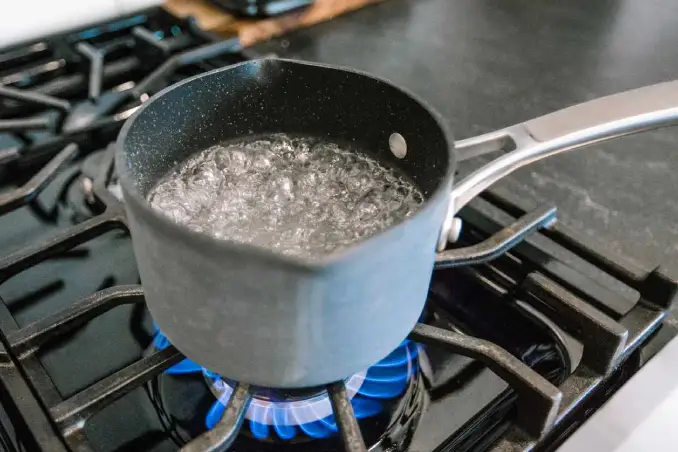
Boiling water can significantly reduce biological risks because sufficient heat can destroy many bacteria, viruses, and other microorganisms. However, boiling is not the same as filtration. It does not remove contaminants such as heavy metals that may already be present in the water.
That distinction is especially important for expats, retirees, and villa owners who plan to live in Bali for months or years. For long-term use, a properly selected filtration or purification system is generally a more comprehensive solution than relying on boiling alone.
What About Ice in Bali? Is it Safe?
Yes, drinking ice in Bali is safe. Ice served by established restaurants, hotels, cafés, and bars is generally produced or purchased from commercial suppliers using treated water rather than being made directly from untreated tap water.
This means you normally do not need to avoid every iced drink in Bali. However, when eating somewhere where hygiene standards are uncertain, it is reasonable to be more cautious.
Tap Water Can Affect Food Too!
Drinking directly from the tap is not the only way untreated water can enter your body. Fresh fruit, vegetables, salads, kitchen utensils, or other food items may come into contact with contaminated water during preparation.
This is one reason food hygiene matters just as much as the water you drink when trying to reduce the risk of stomach problems in Bali. When preparing food at home, use properly treated water where appropriate and wash produce carefully.
A More Convenient Option for Bali Villa Owners
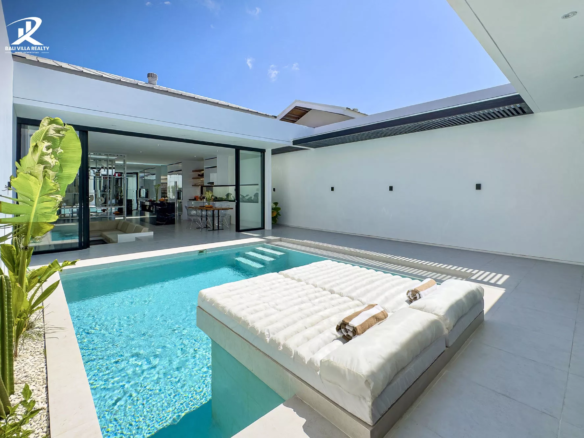
You can also avoid much of the setup by choosing a property where water treatment has already been considered as part of the villa's infrastructure. Our Batu Bolong two-bedroom villa complex is a good example for this case. It comes with an installed water filtration system designed to make the villa's water more suitable for everyday household use.
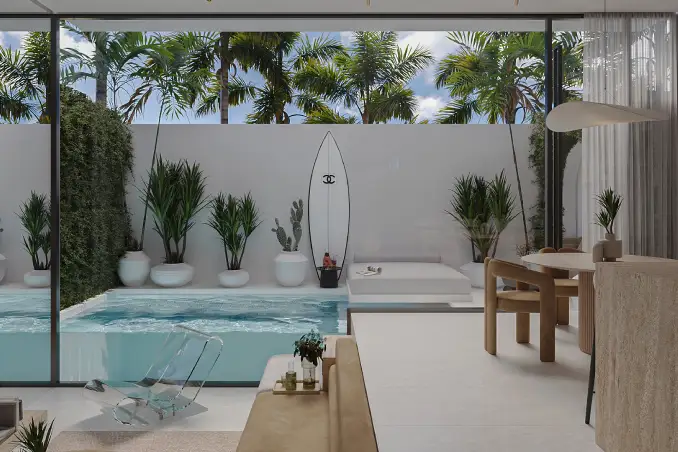
Instead of thinking about water treatment after purchasing, buyers can consider it alongside other practical features such as plumbing, electricity, ventilation, drainage, and maintenance requirements when evaluating a property.
We also offer turnkey homes equipped with modern systems and water filtration. Explore our Bali villas for sale or contact us for a free, personalized property recommendation (no commitment required).
Conclusion
You should not assume that Bali tap water is safe to drink simply because it looks clear. For short stays, bottled or properly filtered water is the easiest option.
For homeowners and long-term residents, however, water quality deserves more attention because it can affect not only your health but also plumbing, appliances, bathrooms, pools, and the long-term maintenance of your villa.