
Disclaimers: This article is for informational purposes only, and is not intended to replace consultation with professional advisors. We strongly recommend speaking with a qualified senior property advisor before making any final investment decisions.
Key Takeaways
- 2026 is still a good entry point for property investment. Bali's property market is maturing, with real demand, transparency, and long-term potential, though it's more competitive than before.
- To decide when should you invest in Bali, track tourism performance, occupancy trends (including low season), infrastructure growth, and steady multi-year price appreciation rather than chasing short-term hype.
- Your Bali investment success depends on your strategy. So professional guidance is key to managing risk.
One of the main questions first-time property investors ask is, "When is the right time to invest?" In real estate, timing is just as important as location.
So, is Bali still a good place to invest in real estate in 2026? The short answer is yes, but some of the usual rules may change because of the current market conditions.
We have seen that Bali’s real estate market is no longer just for speculation. It is becoming a more serious market, offering a good mix of opportunity, transparency, and long-term potential.
Let’s look at how you can make the most of the rest of 2026 as your investment window.

When is the Right Time to Invest in Bali?
Honestly, there isn’t one perfect time to invest in Bali. Even now is a good time to enter the Bali property market.
A good investment is not just about finding the cheapest property. You should also consider rental demand, property value growth, location, property design, and your villa management strategy. These are the real factors that can make or break your investment.
If you want to invest in Bali, you need to consider everything carefully instead of just focusing on today’s property prices.
How to Know When It's a Good Time to Invest in Bali?
You need to know how to spot the right signals, such as:
1. Bali Tourism Performance
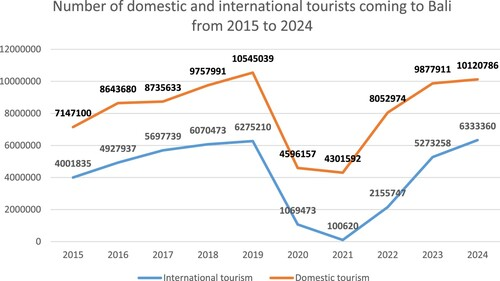
Tourism is still the backbone of Bali’s rental market. A steady rise in international arrivals usually means stronger demand for villas, resorts, and long-stay accommodation.
Bali’s recovery has been especially strong. International visitor numbers have already surpassed pre-pandemic levels, which is a major confidence signal for hospitality-driven property investments.
2. Occupancy Rates
High occupancy is no longer limited to peak season. Investors should focus on how properties perform during the quieter shoulder and low seasons too.
For example, let’s say you have a diversified investment strategy that includes villas in Kuta (targeting peak-season demand) and apartments in Denpasar (providing more stable, year-round income).
Kuta can capture strong tourist demand and higher nightly rates during peak season, while Denpasar can generate steadier income from long-term local and expat tenants. This helps balance cash flow when villa occupancy in Kuta slows down.
| Features | Kuta | Denpasar |
|---|---|---|
| Property type | 1BR villa/apartment | 1BR apartment |
| Price | $180,000 / 30 yrs | $70,000 / 30 yrs |
| Rental model | Short-stay (nightly) | Long-stay (monthly/yearly) |
| Occupancy | 70–85% (high season), 30–40% (low season) | Stable year-round |
| Est. annual income | $25,000–30,000 | $6,000–8,400 |
| Gross ROI | ~14–17% | ~9–12% |
Combined example: $250,000 invested → approximately $31,000–$38,400 per year → around 12–15% blended gross ROI.
A more balanced occupancy profile can help create steadier monthly cash flow, rather than relying heavily on peak-season income. That’s why it’s important to understand Bali’s high and low seasons and adjust your investment strategy accordingly.
3. Property Value Appreciation
Instead of following the latest Bali market trends, smart investors focus on areas that have shown steady growth over several years.
Consistent appreciation usually means the market is supported by real demand, infrastructure, and livability.
Many up-and-coming areas are still early in their growth (such as Kedungu, Cemagi, Seseh and North Bali), which is often where you can find the best long-term potential.
4. Government Support & Infrastructure Development
Infrastructure matters more than marketing. New roads, infrastructure, and connectivity projects can increase property values in nearby areas. Examples include the planned North Bali airport, MRT development, and new toll roads that could improve access to northern Bali.
Better transportation makes it easier for people and tourists to reach new areas. Over time, this can encourage new tourism destinations, local development, and property investment beyond Bali’s current hotspots.
At the same time, Indonesia is updating its foreign investment regulations for a clearer, and better-structured systems, which improves long-term investor confidence.
Read More: Most Profitable Business to Invest in Bali for Foreigners (2026 Update)
5. Economic Stability and Currency Factors
A stable economy, manageable inflation, and a relatively predictable currency environment all reduce uncertainty for foreign investors. While currency fluctuations can affect short-term returns, long-term investors often benefit when asset values and rental income grow faster than currency movement.
Invest in Bali Real Estate 2026 Isn't "Too Late", But Also Not Easy
It’s not too late to buy property in Bali this year, but it may not be easy either. Profit potential remains because demand for long-term stays is growing, and new areas are emerging.
For example, Kedungu is quickly becoming one of Bali’s fastest-growing areas, especially as development moves west from Canggu. Wellness-focused businesses and private villas are among the best investment opportunities in Kedungu, with average net rental yields of about 12-15% per year.
On the other hand, 2026 will not be easy for property investments because many villas and foreign businesses are already on the island. With so much competition, villa owners need to be creative to make their properties stand out and attract renters. It’s also important to understand what customers want so you can offer the right services.
Again, 2026 is expected to be a more mature market. You should expect slower but steadier growth in property values, rather than quick, short-term spikes.
Read More: Bali Travel Trend 2026: New Tour Routes & Fresh Experiences
Risks of Investing in Bali Property in 2026
No matter the year or market condition, there are always risks involved in property investing:
- Entering too early in locations without strong fundamentals
- Entering too late in oversaturated areas
- Overestimating potential rental returns
- Poorly structured ownership setups or unclear exit strategies
- Liquidity constraints and external factors such as tourism fluctuations or regulatory changes
The good news is that you can manage these risks by doing your research, setting realistic expectations, and getting professional advice. At Bali Villa Realty by iLot, we help investors handle these challenges by offering clear market insights, verified listings, and practical investment advice.
Every investor’s situation is unique, so we offer free consultations to help you understand:
- Which areas align best with your investment goals
- What ownership structures are most suitable for you
- When to enter the market based on your strategy and risk profile
- How to avoid common pitfalls and identify quality opportunities
Let’s talk about your personalized Bali property investment strategy. It’s completely free, with no strings attached.

Conclusion
2026 is still a good time to invest in Bali property. However, the best opportunities are rarely the same for everyone. Success depends on choosing the right location, product, timing, and advice.
Whether you’re ready to invest or just exploring your options, Bali Villa Realty is here to offer clear, honest, and local insights. Feel free to reach out anytime.
FAQ
No. With professional legal, sales, and management support, most investors can complete the process remotely. Visiting is helpful but not required.
Bali property is best suited for a 5–10 year investment horizon, allowing time for appreciation and rental optimization.
Real estate and luxury villa rentals are among Bali’s most profitable investment sectors, with potential annual returns averaging around 10% to 15%.
Rather than focusing on the lowest price, investors should prioritize location, quality, and management to support long-term performance.