Disclaimer: This article is for informational purposes only; data and figures may change due to market conditions. We recommend speaking with a senior advisor before making any final decisions.
Key Takeaways
- Bali property can still be a strong investment in 2026, but returns depend heavily on location, legal structure, property selection, and management.
- A realistic villa return is around 10–15% gross ROI or 7–10% net ROI, with approximately 70–75% occupancy considered strong.
- Foreign buyers need the right legal structure, commonly leasehold, Hak Pakai, or an eligible PT PMA/HGB structure rather than direct Hak Milik ownership.
- Professional property management can make a major difference. Well-maintained, professionally managed villas average around 70–85% occupancy compared with 40–50% for poorly maintained or self-managed properties.
Investing in Bali property can still be a smart move this year, but it is important to pick the right property, legal setup, location, and investment plan.
Bali still draws international buyers who want rental income, long-term growth, or a place to enjoy themselves. But the market is now more competitive. Just buying a villa in a popular spot no longer guarantees strong returns.
For investors considering Bali property investment, the opportunity is still there. The key is approaching the property as an investment first and a lifestyle purchase second.

Why Can Bali Property Be a Good Investment?
Investors are drawn to Bali for two main reasons: the opportunity to make money and the lifestyle benefits of owning property on the island.
Financial Advantages
1. Good Potential Rental Income
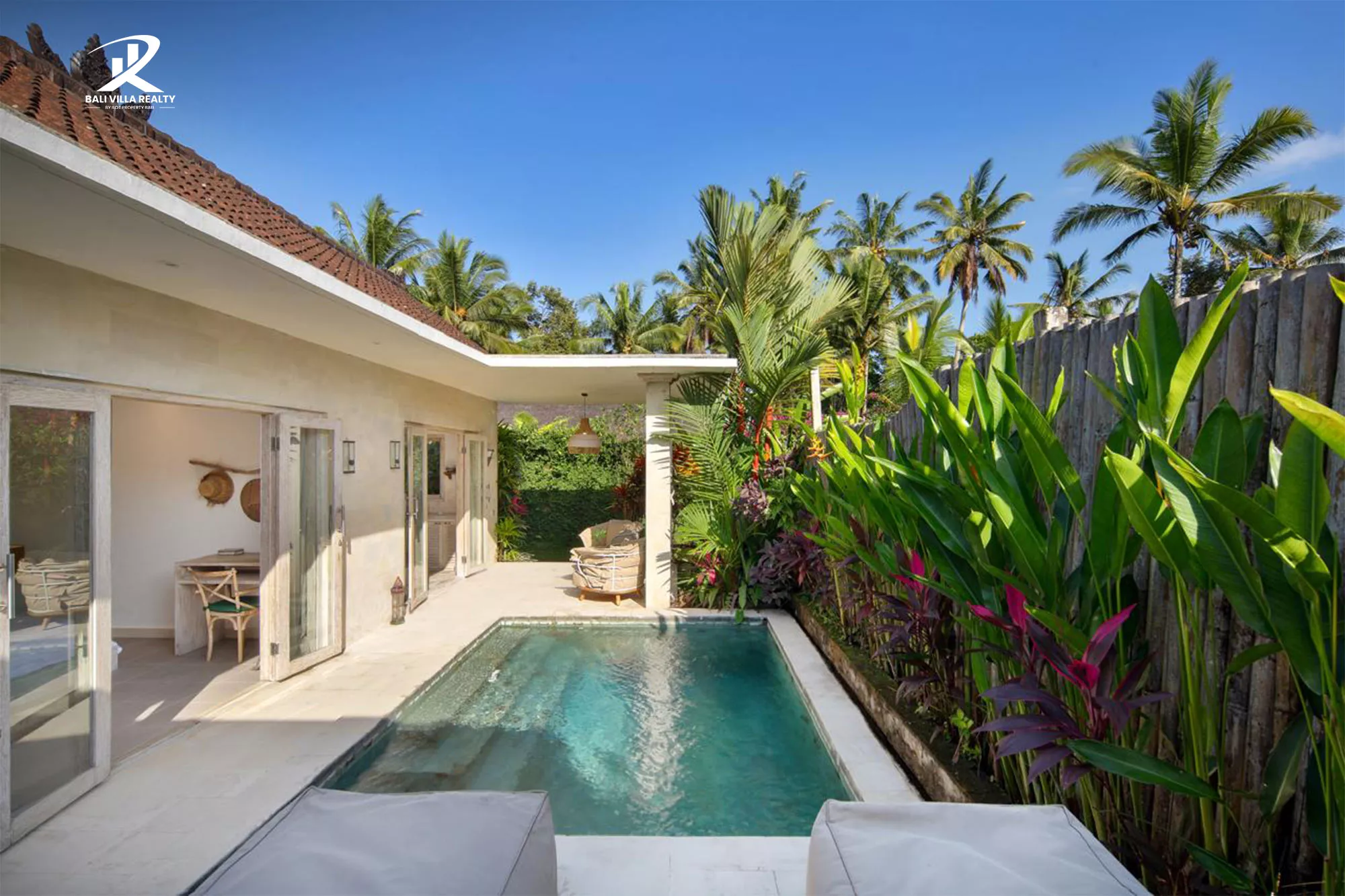
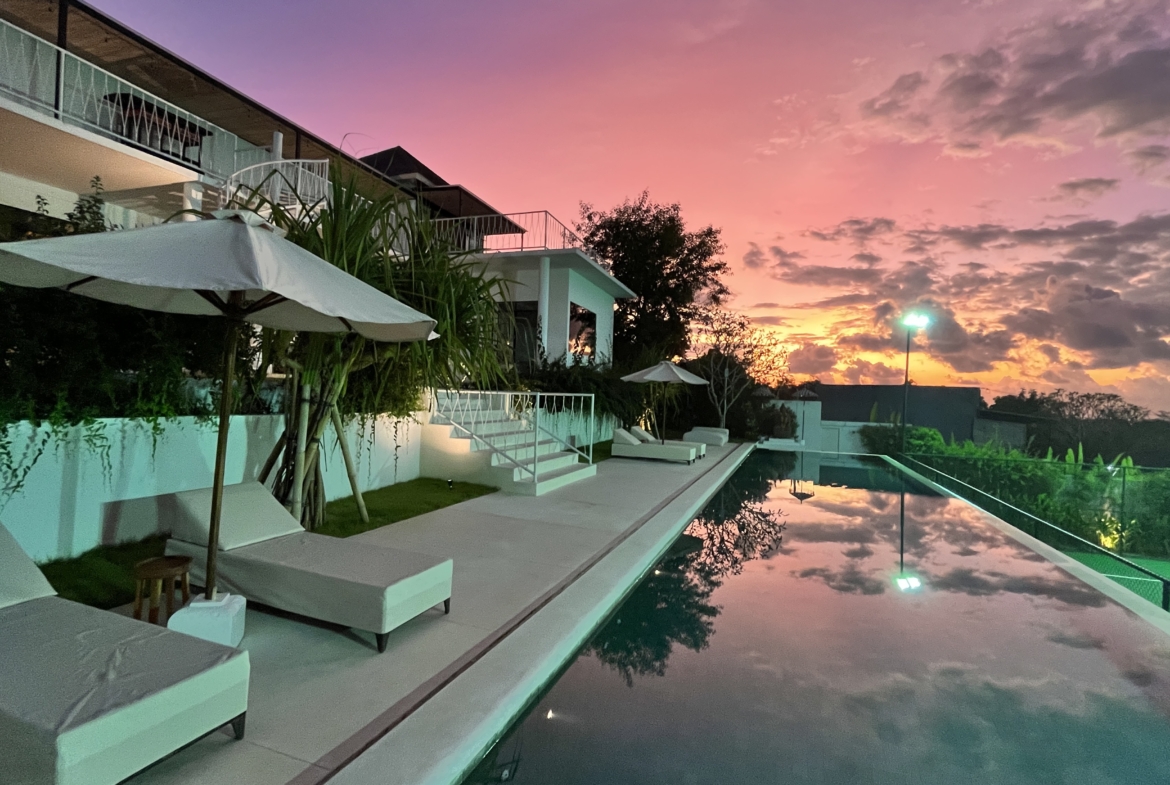
A major reason people invest in Bali property is the potential to earn rental income. A well-located villa can appeal to many groups, including holidaymakers, couples, families, digital nomads, wellness travellers, and people staying in the long term.
For example, based on our data for Canggu investments, the net ROI is about 16.23% with the average occupancy rate is around 75%.
| Property | Avg. Rental Price / Night | Occupancy | Net ROI | Amortization |
|---|---|---|---|---|
| 2 Bed | USD 210 | 75% | 13.20% | 7.57 years |
| 3 Bed | USD 320 | 75% | 16.73% | 5.98 years |
| 4 Bed | USD 440 | 75% | 16.64% | 6.01 years |
| 5 Bed | USD 550 | 75% | 16.94% | 5.90 years |
| 6 Bed | USD 680 | 75% | 17.62% | 5.67 years |
Get Your Free Bali Villa ROI Report
Learn real case study data and insights to help you maximize your investment returns in Bali.

However, the final rental results can vary depending on several factors:
- Location
- Villa design and layout
- Facilities
- Property condition
- Marketing
- Guest experience
- Pricing strategy
- Property management
- Competition within the area
The best villa investment in Bali today is not the most expensive or the one nearest the beach. It is the property where the price, guest demand, running costs, and expected rental income all add up to a smart financial choice.
Read More: 2026 Bali Property Price Guide: Villas, Land, Houses & Apartments
2. Potential for Long-Term Property Value Growth
Rental income is only one aspect of investing. In some areas of Bali, property and land values can rise over time as infrastructure, tourism, businesses, and neighbourhoods grow.
Established areas usually have steady demand. Newer areas might be more affordable now and could see more growth over time, but they are often less predictable.
It’s important to think about both your current cash flow and your property’s future value. Focusing on only one can create an incomplete investment strategy.
3. Different Entry Strategies
Not every investor needs the same type of property. Depending on your goals and budget, options may include:
- Turnkey villas for investors who want to start generating income sooner.
- Off-plan villas for buyers willing to accept development risk in exchange for potentially attractive entry pricing.
- Land or development opportunities for investors with a longer investment horizon.
This flexibility makes Bali accessible to a range of investor profiles, not just luxury property buyers.
4. Potential for More Passive Ownership
Many overseas investors do not want to take on a full-time job managing bookings, maintenance, staff, and guests. That’s why many of them hire a professional villa management service.
Villa management companies can handle daily tasks such as marketing, pricing, guest communication, maintenance, and property upkeep. This is why the best passive income villas in Bali usually have both a great location and a solid management plan.
“Passive” income does not mean you have no involvement. It means you set up the right systems and team to support your property.
Read More: Managing Your Bali Investment Property from Abroad: 7 Expert Tips
Lifestyle Advantages
One advantage of investing in Bali property is that you can often use the villa yourself. Depending on the legal setup and rental agreement, you may be able to stay there at certain times and rent it out when you are away.
This option appeals to expats, remote business owners, future retirees, and frequent visitors to Bali.
Still, it’s important to balance lifestyle preferences with investment analysis. A villa that suits your taste might not be what renters are looking for.
Key Considerations Before Buying Property in Bali
1. Legal Ownership Structure
This is especially important for foreigners who want to buy property in Bali. Foreigners cannot directly hold an Indonesian freehold title (Hak Milik) under their personal name. Instead, foreign investment may use legal structures such as:
- Leasehold / Hak Sewa
- Hak Pakai / Right to Use
- HGB / Right to Build through an appropriate PT PMA structure
Individual foreign buyers often use a leasehold, which usually lasts for a set period, often about 25 to 30 years, depending on the agreement. The best structure depends on your plans for the property.
Avoid choosing an illegal ownership structure simply because it looks easier or cheaper, like nominee arrangements.
2. Location and Actual Rental Demand
Don’t buy a property just because an area is popular right now. Ask:
- Who rents here?
- How long do they stay?
- What type of villa do they prefer?
- What is the competition?
- What nightly or monthly rate is realistic?
- How seasonal is demand?
- What new supply is entering the area?
Prime investment locations often have higher demand, but they usually cost more to buy. While emerging areas in Bali may be cheaper to enter and could appreciate, but rental demand there might not be as strong yet.
The right answer depends on whether your priority is cash flow, capital growth, lifestyle, or a combination of all three.
3. Total Investment Cost
Remember, the listing price is not the full cost of your investment. Before purchasing, calculate expenses such as:
- Legal and notary costs
- Property taxes
- Furnishing
- Maintenance
- Property management
- Staff
- Utilities
- Marketing
- Repairs
- Periods without rental income
This is very important when evaluating ROI estimates. A property that looks great on paper with a high gross yield can end up giving you a much lower net return once you factor in all the expenses.
4. Due Diligence
Always do thorough legal and property checks (the process is called “due diligence”):
- Land certificate and ownership
- Land zoning
- Building permits
- Rental permissions
- Taxes
- Access
- Contract terms
- Lease duration and extension terms
- Existing disputes or encumbrances
- Developer background for off-plan projects
A beautiful villa is not a good investment if it doesn’t have a strong legal foundation.
5. Property Management
If you plan to rent out your property, include property management in your investment plan before you buy, not after.
Two villas in the same area can earn very different returns, depending on their pricing, marketing, upkeep, and guest reviews. Because Bali’s rental market is so competitive, building a strong brand is now even more important for attracting steady renters.
From our 2025–2026 Bali short-term rental data, the well-maintained, professionally managed villas average 70–85% annual occupancy, while poorly maintained or self-managed villas only average 40–50%.
Why does this happen?
- Maintenance matters: In Bali’s humid climate, visible wear in photos instantly reduces bookings. Properties with deferred maintenance lose trust and reviews.
- Management quality: Professional managers typically deliver 25% higher occupancy through better pricing, cleaning, communication, and channel reach.
6. Exit Strategy
Finally, consider how you will sell or exit your investment in the future. Many investors struggle to leave and earn good returns because they did not plan their exit strategy.
For leasehold properties, the remaining lease term affects how easy it is to resell. Selling a villa with only five years left on the lease is typically harder and usually brings a much lower price than selling one with thirty years remaining.
Ideally, plan your exit strategy before you invest. Take time to learn about exit plans that work well in the Bali market.
Where to Invest in Bali Property in 2026
Different areas in Bali offer different lifestyles and investment potential.
| Area | Market Role / Positioning | Gross Yield | Land Price Benchmark / m² | Risk Level | Best For |
|---|---|---|---|---|---|
| Canggu / Berawa / Pererenan | Core short-term rental market, digital nomad hub, and one of Bali’s strongest year-round demand areas. | 12–18% | USD 530–1,560 | Medium | Investors seeking proven rental demand, strong cash flow, and buy-to-rent opportunities. |
| Uluwatu / Bingin / Bukit Peninsula | View-driven luxury market with strong appeal for ocean-view villas and fast land appreciation. | 10–16% | USD 310–940 | Medium–High | Investors targeting capital growth, luxury villas, and premium holiday rentals. |
| Ubud / Sanur / East Bali | Defensive long-stay and wellness-driven market with lower volatility compared to coastal hotspots. | 10–15% | USD 250–750 | Low–Medium | Investors focused on long-stay guests, wellness tourism, lifestyle rentals, and more stable demand. |
| Seminyak / Umalas | Mature and established tourism market with strong liquidity and easier exit strategy. | 10–14% | USD 900–1,900 | Low | Investors looking for stable cash flow, mature demand, and stronger resale liquidity. |
| Emerging Areas: North Bali / Lovina / Tabanan / Outer Areas | Emerging and infrastructure-linked growth market with long-term appreciation potential. | 6–10%* | < USD 250 | High | Investors with a long-term land banking strategy and a 7–12 year investment horizon. |
Note:
- *Current yield; expected to increase significantly if North Bali airport development proceeds as planned.
- Yield and land price ranges are based on the Bali 2026 benchmark dataset and the exchange rate of 1 USD = IDR 17,900.
Canggu, Berawa, and Pererenan are still some of the best places to invest. However, your success will depend on choosing the right location, villa design, management, pricing, and special features such as:
- Beach, rice field, or jungle views
- Swimming pools
- Spacious layouts
- Proximity to popular attractions and amenities
Is It Realistic to Get a 20% ROI in Bali Property Investment?
While many real estate agents claim that a 20% ROI is achievable in Bali, we believe this figure is often an inflated marketing metric rather than a realistic expectation.
Based on our villa performance data, a realistic return in today’s Bali market is around 10–15% gross ROI, or about 7–10% net ROI after operating costs. A 70–75% occupancy rate is generally considered strong and realistic in 2026.
Exceptional villas can perform above this range, especially those in prime tourist areas, close to key attractions, with unique features, strong marketing, and a good reputation. These properties may reach 75–85% occupancy, though final results are not guaranteed.

Conclusion
Investing in property in Bali can be a smart choice, but it is important to choose carefully, as the market is becoming increasingly competitive.
If you are thinking about buying property in Bali as a foreigner, begin by clarifying your investment goals before you start looking at villas.
Download the Free Bali Investment Guide (PDF) from Bali Villa Realty to learn about current Bali market, ownership options, investment strategies, and important things to check before you buy.
FAQ
May to June can be a strong window because inventory is usually higher and some developers may offer more flexible terms. Still, the right time to invest in Bali depends on your goals, budget, and investment strategy.
A well-performing Bali villa may generate around 10–15% gross ROI or approximately 7–10% net ROI after operating costs. Actual returns depend on location, management, pricing, design, and occupancy, so ROI should never be treated as guaranteed.
Around 70–75% occupancy can be considered strong, while exceptional villas may achieve approximately 75–85%. Performance varies significantly between properties and locations.
Bali can suit income-focused investors, lifestyle buyers, long-term growth investors, overseas buyers, and first-time property investors.
Yes, it can be. However, first-time buyers should prioritize properties with clear legal structures, realistic rental projections, manageable operating costs, and professional support