Key Takeaways
- Best physical SIM cards for tourists in Bali:
| SIM Card Providers | Best for | Bali coverage | Average speed | Approximate price | Main drawback |
|---|---|---|---|---|---|
| Telkomsel | Best overall coverage | Strong 4G/5G coverage across tourist areas, rural Bali, and the Nusa Islands | Up to 300+ Mbps | IDR 150,000–300,000 for 10–25 GB | More expensive than competitors |
| XL Axiata | Best value | Strong in Canggu, Seminyak, Kuta, Ubud, Sanur, and Denpasar; less reliable in remote areas | Up to 500 Mbps on XL Ultra 5G+ | IDR 100,000–250,000 for 15–30 GB | Patchy coverage in mountainous and remote areas |
| IM3/Indosat | Best budget option | Good in major towns and tourist areas but weaker in rural Bali and the Nusa Islands | 15–40 Mbps on 4G; up to 500–600 Mbps on 5G | IDR 80,000–200,000 for 15–35 GB | Less reliable outside urban areas |
- Best eSIMS for tourists in Bali:
| eSIM providers | Best for | Bali coverage | Speed and data | Approximate price | Main drawback |
|---|---|---|---|---|---|
| Airalo | Easy setup and short trips | Reliable in Seminyak, Kuta, Canggu, Ubud, and other tourist areas | Around 15–25 Mbps, with speeds reaching up to 140 Mbps | From $4.50 for 1 GB; around $26 for 10 GB | Can be expensive for heavy data use |
| Holafly | Unlimited data | Reliable 4G/5G through Telkomsel and XL Axiata, including most tourist destinations | Unlimited data with fair-use limits; typically 35–50+ Mbps | Around $19 for 5 days; $64 for 30 days | Expensive, with hotspot and fair-use restrictions |
| Nomad eSim | Flexible plans and good value | Reliable in Kuta, Seminyak, Canggu, Uluwatu, and central Ubud | Around 36–62 Mbps download; unlimited plans may slow after 2 GB daily | From $5 for 1 GB; around $37 for 20 GB | Mostly data-only and less established than Airalo |
- For convenience, an eSIM is usually the easiest option. For wider coverage and better value over a longer stay, a local physical SIM—especially Telkomsel—is generally the better choice.
Staying connected to the internet during your Bali trip is a must. And the good news is, the island offers plenty of SIM card and eSIM options for foreign travelers.
Foreigners can buy an Indonesian physical SIM card or eSIM, but actually you don't have to register your phone's IMEI with customs if you're planning to stay in Bali for under 90 days.
If you want to buy a SIM card here, you must register with your passport. The shop/provider handles the process, so you don’t need to do anything besides showing your passport.
So, which SIM card provider can you rely on? We'll discuss the top options here, including the price ranges, coverage, speed, and where to buy them. We'll also share our real experience (read: the mistakes we made on our first trip) when buying a SIM card in Bali.
What is the Best SIM Card for Tourists in Bali, Indonesia?
The best SIM card in Bali for most travelers comes from one of these three major Indonesian providers: Telkomsel, XL Axiata, and IM3 (Indosat Ooredoo).
1. Telkomsel (simPATI / by.U) – Best for Reliability & Overall Coverage
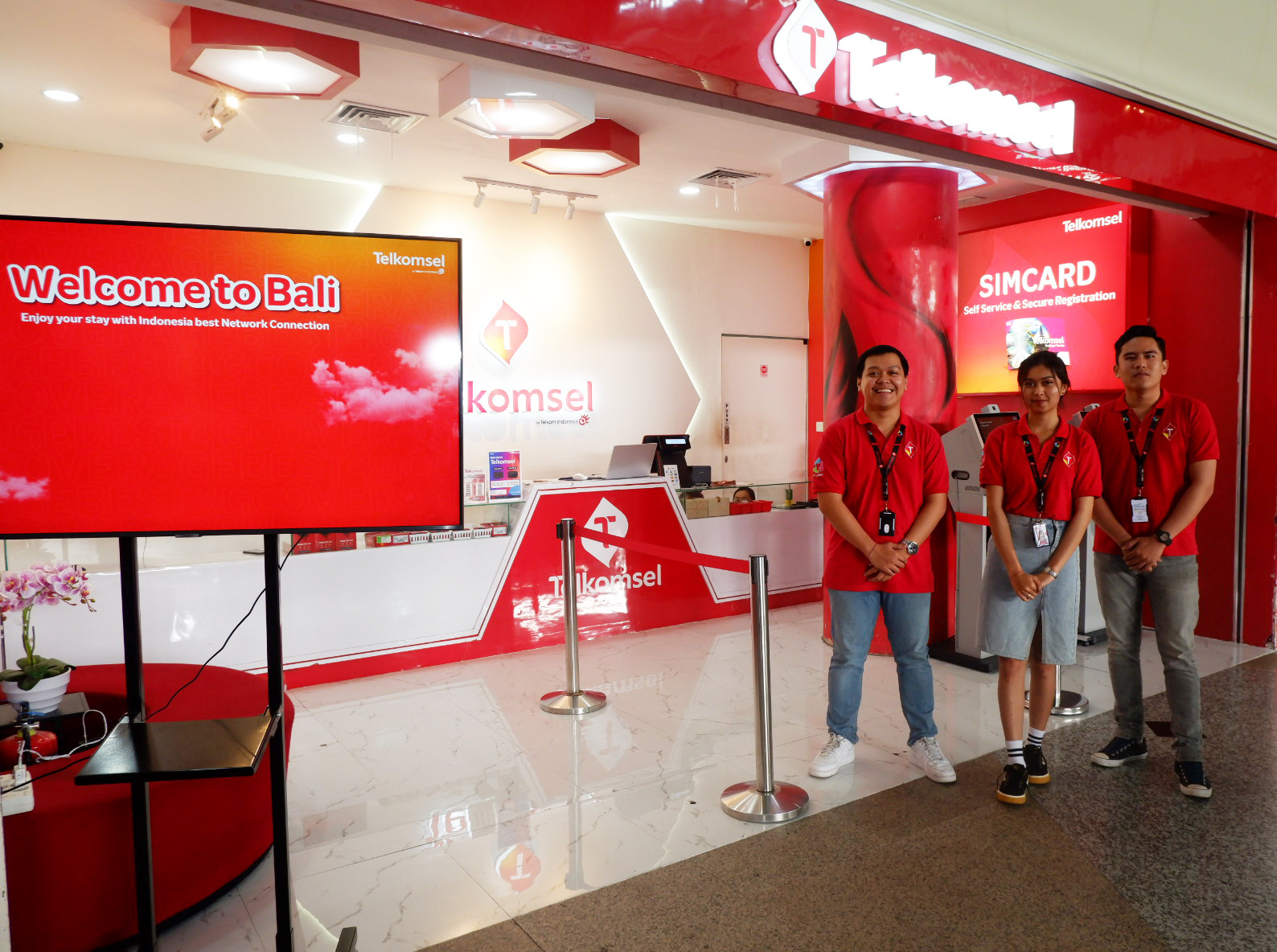
Telkomsel is the premium network in Indonesia, often called the "national champion." If you want the most reliable network in Bali or must stay connected everywhere, from our personal experience, Telkomsel is the safest choice.
- Coverage Area in Bali:
- 5G (average speed 300+ Mbps): Main tourism hub; Kuta, Legian, Seminyak, Canggu, Denpasar, Tuban, Sanur, Nusa Dua, Renon.
- 4G LTE (stable connection):
- South and Central Bali (Ubud, Jimbaran, Uluwatu): 4G coverage is generally strong and widely available.
- East Bali (Amed, Sidemen) and North Bali (Lovina): 4G coverage is reliable along the coastal roads, although you may encounter dead zones in very remote mountainous areas.
- Nusa Penida and Nusa Lembongan: 4G is available in the main villages, but the connection may be unstable in hilly areas or around secluded beaches.
- Average Connection Speed: 300+ Mbps
- Pros:
- Unmatched Coverage: The strongest and most reliable signal across the entire island. It's the only provider that consistently works well in remote areas like the cliffs of Uluwatu, the mountains of Kintamani, and throughout Nusa Penida/Lembongan.
- High Speed: Typically offers the fastest 4G/5G speeds, especially outside dense urban centers.
- Best for Rural Travel: Essential if you plan to explore the less-visited parts of Bali or neighboring islands.
- Pricing (Approximate):
- Tourist Package (at airport): ~IDR 150,000 - 300,000 (~USD $9 - $17) for 10-25GB, valid 30 days.
- Local Package (in-store): ~IDR 100,000 (~USD $10) for 10GB, valid 30 days. Popular bundle: ~IDR 200,000 (~USD $12) for 25GB + some call credits.
- Ideal For: Long-term travelers, digital nomads, remote workers, adventure travelers exploring off the beaten path, and anyone for whom a stable internet connection is non-negotiable.
- Cons:
- Most Expensive: Data packages are priced 20-30% higher than competitors
- Can be Overkill: If you're only staying in main tourist hubs, you might be paying for coverage you don't need
2. XL Axiata – Best for Value & Balanced Performance

XL Axiata is the strongest competitor to Telkomsel, offering an excellent balance between price and network quality, particularly in populated areas.
- Coverage Area in Bali:
- 4G LTE and 5G: Denpasar, Badung (Kuta, Seminyak, Canggu, Jimbaran), Gianyar (Ubud), Tabanan.
- Signal coverage may be weaker or less consistent in remote, or mountainous areas—such as Karangasem, Kintamani, and Nusa Penida—compared to other operators.
- Average Connection Speed: Up to 500 Mbps (for XL Ultra 5G+)
- Pros:
- Great Value: Offers nearly as good performance as Telkomsel in most tourist areas for a lower price.
- Strong Urban & Suburban Coverage: Excellent signal in all major tourist hubs like Canggu, Seminyak, Ubud, Sanur, and Denpasar.
- Good Speed: Reliable and fast data speeds in its coverage areas.
- Pricing (Approximate):
- Tourist Package: ~IDR 100,000 - 250,000 (~USD $6 - $15) for 15-30GB, valid 30 days.
- Local Package: Often has attractive promotions. ~IDR 150,000 (~USD $9) can get you 20-30GB, valid 30 days.
- Ideal For: Most tourists who split their time between popular beach towns and Ubud. Perfect for travelers wanting a great connection without paying much.
- Cons:
- Rural Gaps: Coverage can become patchy in very remote locations (e.g., some parts of rural east Bali or deep in the mountains). May not be as reliable as Telkomsel on Nusa Penida.
- Slightly Less Consistent: While great in cities, it might not have the same "blanket" coverage as Telkomsel island-wide.
3. Indosat (IM3)- Best for Budget-Conscious City Stayers

The most affordable major network, ideal for those on a tight budget who will primarily stay in well-covered areas.
- Coverage Area in Bali:
- 4G and 5G: Good coverage in city/urban areas of Bali, such as Denpasar, Kuta, Seminyak, Jimbaran, Ubud, Tabanan, Negara and Singaraja.
- Signal coverage may be weaker or less consistent in rural location.
- Average Connection Speed: 4G (15 - 40 Mbps), 5G (500 - 600 Mbps)
- Pros:
- Most Affordable: The cheapest data packages of the three.
- Adequate Urban Performance: Works perfectly fine in main city areas, hotels, and cafes in Seminyak, Kuta, Legian, and Denpasar.
- Frequent Promotions: Offers many cheap, high-volume data bundles.
- Pricing (Approximate):
- Tourist Package: ~IDR 80,000 - 200,000 (~USD $4,80 - $12) for 15-35GB, valid 30 days.
- Local Package: Very cheap. You can find deals like IDR 100,000 (~USD $6) for 25GB+, valid 30 days.
- Ideal For: Short-term tourists (1-2 weeks) on a strict budget, those who will stay in one main area, and travelers who rely more on Wi-Fi at their accommodation and only need mobile data for maps and messaging on the go.
- Cons:
- Limited Rural Coverage: Signal strength drops significantly outside urban centers and popular tourist streets. Not recommended for trips to remote areas or Nusa Islands.
- Congestion: Speeds can slow during peak times in dense areas as it's a popular budget choice.
- Less Reliable: For mission-critical video calls or remote work in varied locations, it can be hit or miss.
Quick Tip: You can buy a "tourist SIM" package at the airport (convenient but slightly more expensive), or visit an official provider store (like GraPARI for Telkomsel, XL Center, or Indosat Gallery) in town for the best local deals.
Read More: How Does eSIM Work on Grab App? A Guide for Foreign Travelers in Bali
What is the Best eSIM for Travelers in Bali?
eSIMs are digital SIM you install instantly via a QR code. Your phone must be unlocked and eSIM-compatible (most newer phones from 2019+ are). They are perfect for avoiding physical SIM swaps but rely on the same local networks (like Telkomsel, Indosat). Here are the best eSIMs for Bali:
1. Nomad eSIM – Best for Balance of Price & Flexible Data
Nomad eSIM is a top option for travellers seeking flexible prepaid data in Bali and across Indonesia. Travellers can purchase and install their eSIM before departure, then manage their plan through the Nomad eSIM app or website.
Fixed-data and unlimited options are available, while regional plans make it particularly suitable for travellers combining Indonesia with other destinations across Southeast Asia or the wider Asia-Pacific region.
Eligible new users can also try Nomad eSIM with a free 1GB trial eSIM available across 76 destinations, including Indonesia. Nomad eSIM has approximately 41,500 Trustpilot reviews and app ratings of 4.8 on the Apple App Store and 4.7 on Google Play. These trust signals reinforce Nomad eSIM’s reliability and reputation among global travellers.
- Coverage Area in Bali: Nomad eSIM uses Telkomsel and Smartfren, offering reliable 4G/5G coverage in Bali’s main tourist areas, including Kuta, Seminyak, Canggu, Uluwatu, and central Ubud.
- Average Connection Speed: Speeds typically range from 36–62 Mbps for downloads and 18–31 Mbps for uploads. Unlimited plans usually include a daily high-speed limit of around 2 GB, after which speeds may drop to about 512 kbps.
- Pros:
- Competitive Pricing & Good Value: Often has some of the best USD/GB rates among eSIM providers, especially for larger data packages.
- Flexible, Large Packages: Offers a good selection of medium-to-large data packs (e.g., 10GB, 20GB) valid for longer periods (30+ days), which is great for longer trips or moderate/heavy usage.
- Network Choice (Sometimes): In some regions, Nomad eSIM allows you to choose your preferred local network (e.g., Telkomsel vs. Indosat) during setup for optimal coverage.
- Reliable Speeds: Generally receives positive reviews for connection stability and speed.
- Cons:
- Interface Can Be Less Polished: The app and user experience might not be as slick as Airalo's.
- Primarily Data-Only: Like others, focuses on data packages without voice/SMS.
- Less Brand Recognition: A newer player, so some travelers might be less familiar with it.
- Pricing (Approximate in USD for Indonesia):
- 1 GB, valid 7 days: ~$5
- 3 GB, valid 30 days: ~$12
- 10 GB, valid 30 days: ~$22
- 20 GB, valid 30 days: ~$37
- Ideal For: Value-conscious travelers who need a significant amount of data for a month-long stay or digital nomads on a budget.
2. Airalo (Bali/Indonesia eSIM) – Most Popular & User-Friendly
The leading global eSIM marketplace, known for its extensive country-specific and regional options.
- Coverage Area in Bali: 4G coverage is generally strong in Bali’s main tourist areas, including Seminyak, Kuta, Canggu, and Ubud, but may be weaker in remote inland areas and islands such as Nusa Penida.
- Average Connection Speed: 15-25 Mbps, and up to 140 Mbps
- Pros:
- Extremely Easy Setup: Purchase and install the eSIM via the Airalo app before you even land. The process is streamlined and well-documented.
- Flexible & Affordable Packages: Offers a wide range of data sizes (e.g., 1GB, 3GB, 5GB, 10GB) for short, medium, and long trips, starting at very low prices.
- Reliable Performance: Partners with reputable local networks (often Telkomsel or Indosat) for solid coverage in major tourist areas.
- Manage Everything in an App: Top up data, check usage, and manage your plan directly from your phone.
- Cons:
- Data-Only (Typically): Most plans are for mobile data only, with no local phone number for calls/SMS. Use WhatsApp, FaceTime, etc., for communication.
- Potential for Network Switching: You may connect to different local partners depending on your location, which can sometimes lead to variable speeds.
- Can Be Costly Per GB for Long Stays: While cheap for small packages, heavy data users might find larger data packs less economical than a local physical SIM.
- Pricing (Approximate in USD):
- 1 GB, valid 7 days: ~$4.50
- 3 GB, valid 30 days: ~$11
- 5 GB, valid 30 days: ~$16
- 10 GB, valid 30 days: ~$26
- Ideal For: First-time eSIM users, short to medium-term tourists (1-3 weeks), travelers visiting multiple countries (they offer regional Asia packs), and anyone who values maximum convenience and setup ease.
3. Holafly – Best for Truly Unlimited Data
Looking for Bali eSIM card with unlimited data? Try Holafly. It specializes in unlimited data eSIMs for travelers, removing the worry of data caps during your vacation.
- Coverage Area in Bali: Holafly’s Bali eSIM uses Telkomsel and XL Axiata, providing reliable 4G/5G coverage in major tourist areas and generally stable service across the island, including trips to Nusa Penida and the Gili Islands.
- Average Connection Speed: Holafly offers unlimited 4G/5G data under a fair-use policy of around 90 GB per month. Speeds typically start at 35–50+ Mbps but may drop to 2 Mbps after heavy usage, while hotspot sharing is limited to 1 GB per day.
- Pros:
- Unlimited High-Speed Data: The primary advantage. You can stream, upload, and scroll without tracking your usage or fearing throttling (subject to Fair Use Policy).
- Simple Choice: No need to guess how much data you'll need. One plan covers your entire trip duration.
- Good Support: Known for responsive customer service if you encounter setup issues.
- Cons:
- Most Expensive Option: You pay a premium for the unlimited model.
- Fixed Duration, Not Data Amount: Plans are for a set number of days (e.g., 5, 7, 10, 15, 30 days). If you buy a 10-day plan but stay 12 days, you'll need a new plan.
- No Local Number & No Tethering/Hotspot: A critical limitation for some. Their terms often prohibit using your phone as a hotspot for other devices (always check current policy).
- Pricing (Approximate in USD):
- 5 Days, Unlimited Data: ~$19
- 7 Days, Unlimited Data: ~$27
- 10 Days, Unlimited Data: ~$34
- 15 Days, Unlimited Data: ~$47
- 30 Days, Unlimited Data: ~$64
- Ideal For: Content creators, influencers, and extremely heavy data users who constantly upload videos/photos. Also good for travelers who experience "data anxiety" and prefer the simplicity of an unlimited plan, provided they don't need a hotspot.
Should I Get an eSIM or Physical SIM in Bali?
It depends on your travel style. Choose a physical SIM if:
- You want the strongest local network
- You need long-term connectivity (months)
- You don’t mind showing your passport at purchase
Choose an eSIM if:
- You want something instant and easy
- You’re staying short-term (1–30 days)
- You don’t want to queue at the airport
- Your phone supports eSIM
For convenience, eSIM wins. But for coverage, a local physical SIM still wins.
Read More: Can I Pay With My Card in Indonesia? Payment Guide for Foreigners
Where Can I Buy a SIM Card in Bali?
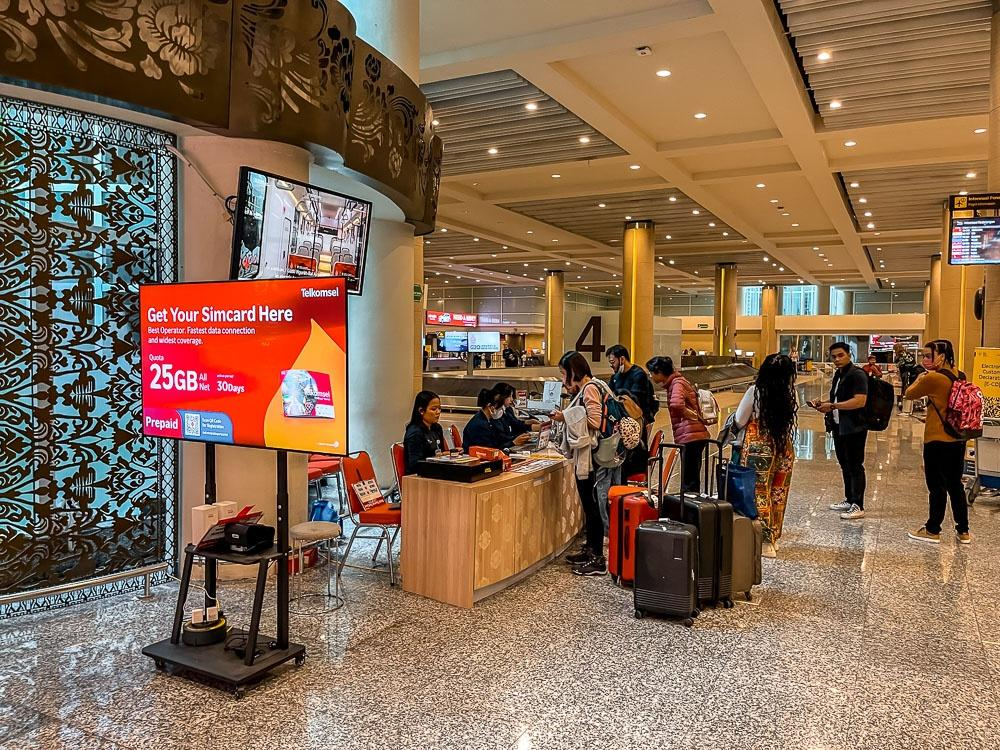
The best places to buy a SIM card in Bali are:
- Bali Airport (DPS – Ngurah Rai Airport): It's fast, easy, but slightly higher prices. Shops typically offer tourist packages from Telkomsel, XL, and Indosat.
- Official provider stores: It's cheaper than the airport and more package options. You can find them in Canggu, Seminyak, Kuta, Denpasar, Sanur and Ubud.
- Mobile phone shops / convenience stores: They're everywhere in Bali. Really convenient, but make sure they are officially registering your SIM (because some stores don't do it for you).
Read More: Bali Belly Explained: Meaning, Symptoms, and How to Cure It Fast
How to Buy a Local SIM Card in Bali?
- Bring your passport.
- Choose a package (data only or data + calls).
- The shop registers your SIM card in the system.
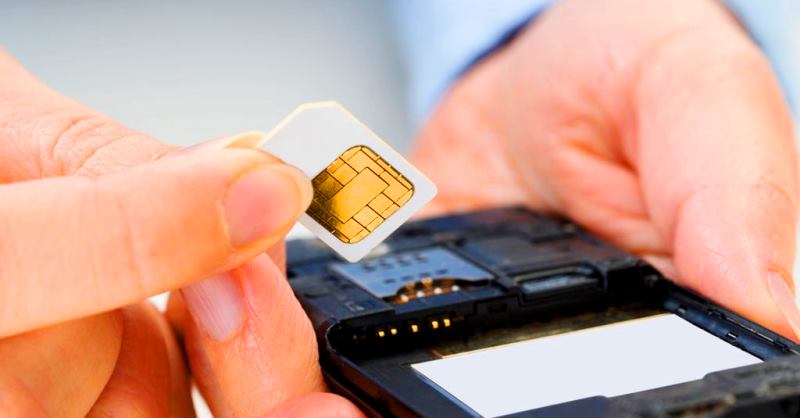
- Insert the SIM card into your phone.
- Restart your device if needed.
Registration must be done correctly, or the SIM will stop working after a short time.
Our Experience Dealing with Long-Term SIM Registration in Bali
If you plan to stay longer than 90 days (just like us), this part is very important. When I tried to get a Telkomsel SIM at the airport and told them I would stay five months, they explained that:
- Longer-term SIM use may require an additional IMEI registration
- That requires going to security/immigration inside the airport
- It must be done before you leave the arrival area
Because I had two large suitcases and it meant going back through security, they told me: “Just buy a new SIM every month.”
So I did that for two months, but later, another Telkomsel shop told me it was no longer possible. They said that I needed to register my IMEI at immigration to make my phone work again. The process could cost around USD $300 (approx. IDR 5.3 million).
But I decided to switch to an eSIM to avoid any IMEI issues, and my phone worked instantly without a problem. I just ended up losing a bit of money because I had already bought a physical SIM card that’s now unused.
So another tip from us, if you plan to stay long-term in Bali, check the IMEI requirement first before deciding to buy a physical SIM.

Conclusion
For most travelers (especially if you only do a short trip), using eSIM is the easiest option.
But, if you want the best coverage while exploring Bali, a Telkomsel SIM is the top choice. With this SIM card, you’ll still get signal even in the most remote areas.
If you’re mostly sticking to city areas and tourist spots, cheaper options like XL Axiata or IM3/Indosat will work just fine.
FAQ
Yes, as long as your phone is unlocked (not tied to a carrier), Bali SIM cards work on all iPhones and Android devices. If your phone is locked to a provider in your home country, you won’t be able to use a local SIM or eSIM in Bali.
Yes, Bali has growing 5G coverage, mainly available through Telkomsel in areas like Denpasar, Kuta, Seminyak, Sanur, and parts of Canggu.
Most Bali SIM cards and eSIMs allow personal hotspot (tethering), but some tourist packages, especially unlimited eSIM plans, may have restrictions or speed limits.
Yes. Getting a local SIM card is Bali a lot cheaper option compared to using your roaming data and international phone calls.