
Key Takeaways
- Indonesia uses the Indonesian rupiah (IDR) as its only official currency.
- In Bali, you can pay for daily purchases using cash, debit or credit cards, e-wallets, or by scanning a QR code with QRIS:
| Payment Method | Best Used For | Commonly Accepted At | Pros | Cons |
|---|---|---|---|---|
| Cash (Indonesian Rupiah) | Small purchases, local businesses, entrance fees, and places outside major tourist areas | Street food stalls, warungs, small cafés, traditional markets, temples, waterfalls, beaches, parking areas, and banjar fee points | - Accepted almost everywhere - Ideal for small payments - No transaction or card surcharge | - Carrying large amounts can be risky - Vendors may not have change - Cash can be difficult to track |
| Debit and Credit Cards | Hotels, shopping, dining, accommodation, and larger expenses | Hotels, beach clubs, restaurants, spas, supermarkets, and convenience stores such as Indomaret, Alfamart, and Circle K | - Safer than carrying large amounts of cash - Easy to track expenses - Convenient for larger payments - International cards such as Wise and Revolut generally work well in Bali | - Some businesses require a minimum purchase - Foreign transaction or ATM fees may apply - Some merchants add a 1.5%–3% card surcharge |
| E-Wallets and QRIS | Everyday cashless payments, transport, food delivery, supermarkets, and participating local businesses | Grab, Gojek, supermarkets, shops, restaurants, and many small warungs displaying a QRIS code | - Fast and convenient - Widely used by Indonesian residents | - Foreign tourists may need an Indonesian phone number and bank account - Many foreign banking apps cannot scan QRIS codes |
- For most foreign travelers, it is easiest to bring both cash and a reliable travel card, such as a Wise card, when visiting Bali.
How do you pay for things in Bali? Many foreign visitors, including us, have wondered if their home cards will work in Indonesia.
From our experience living here, we’ve learned that most Balinese people use cash and e-wallets (for cashless QR payments) for daily needs. However, not all payment methods are available to foreigners. Here’s the detailed breakdown.
What are the Available Payment Methods and Currencies in Bali, Indonesia?
Indonesia uses the Indonesian Rupiah (IDR), and you’ll need it for most everyday purchases. USD, EUR, and other currencies aren’t accepted, but you can withdraw or exchange money when you arrive in Bali. Here are the most common ways people pay for things in Bali:
1. Cash
Cash is the most widely used payment method, especially in local spots, such as:
- Street food
- Small cafés
- Warung (local eateries)
- Markets
- Tourist attractions (waterfalls and temples)
- Banjar fee
You’ll need Rupiah for these places since they often don’t accept cards. Some beaches and areas also charge a small entry fee. One more tip: keep a mix of smaller bills, as not every vendor has change.
Customs tip: You can bring up to 100 million Rupiah equivalent (~$5582 USD per currency 1 USD = IDR 17.908) without declaring it. More than that needs to be declared. See our Bali customs declaration guides so you know which items you need to declare and which you do not.
2. Debit and Credit Cards
Cards are widely accepted in Bali and most tourist-heavy areas of Indonesia. You can use them at:
- Hotels
- Beach clubs
- Restaurants
- Spas
- Supermarkets
- Convenience stores like Indomaret, Alfamart, and Circle K (some stores apply a minimum pay of around IDR 50K (~$2.79) to be able to use your card)
Visa and Mastercard are the most reliable cards here. American Express works in some places, but not everywhere. Cards are great for bigger expenses because they’re safer, easier to track, and you don’t have to carry a lot of cash.
From our experience, we used a Wise card for everyday transactions as foreigners in Bali. The card worked great—no declines, fewer fees, and we could top it up instantly. You can also connect it to apps like Grab and Gojek, which makes ordering easy.
We also recommend Revolut, which works well across Bali. If you want something reliable, either of these options will save you trouble.
Be aware that some stores and restaurants in Bali add a 1.5% to 3% surcharge when you pay with a credit card, even though this isn’t allowed by official Indonesian Bank regulations. So keep an eye out for these extra charges.
Read More: How Does eSIM Work on Grab App? A Guide for Foreign Travelers in Bali
3. E-Wallets and QRIS (Indonesia Cashless Payment)
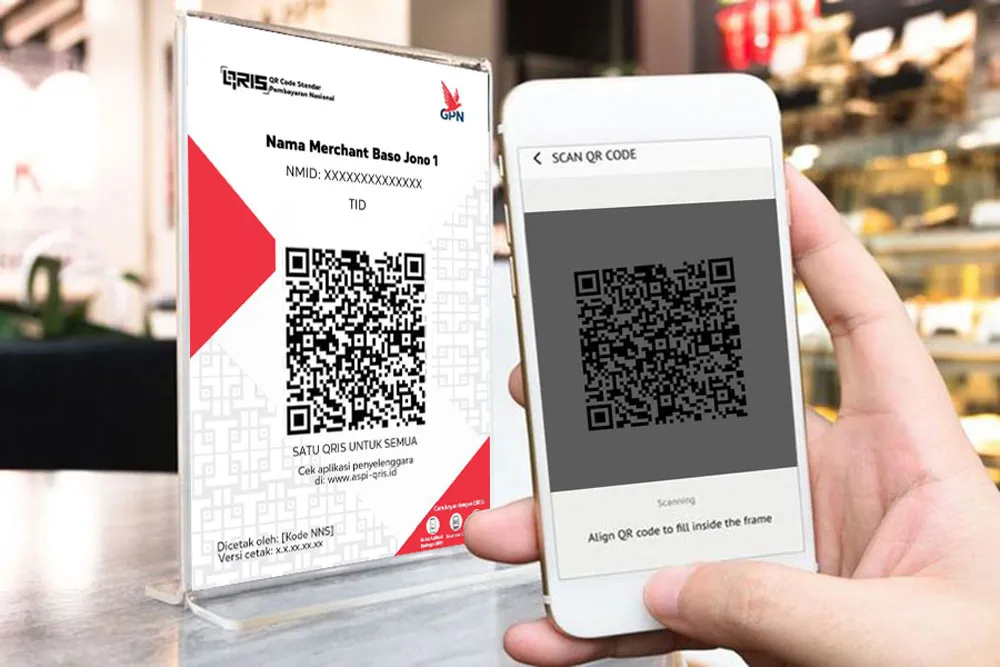
Indonesians really love e-wallets because they’re practical and easy to use for many things, like making daily payments, ordering food delivery, shopping at supermarkets, hailing taxis, and even buying from small warungs. Some top e-wallet apps in Bali are GoPay, OVO, DANA, and ShopeePay.
Most e-wallet payments use QRIS, Indonesia’s universal QR code system that lets people scan and pay instantly. But here’s the catch for foreigners who want to use e-wallet apps during their holiday in Bali:
- You need an Indonesian SIM card to register.
- It’s much easier if you have an Indonesian bank account.
- Most foreign banking apps don’t support QRIS scanning.
If you don’t have these, it’s much simpler to just use cash and cards.
So, Which Payment Method Works Best for Foreigners in Bali?

Most travelers keep things simple by using cash or a card like Wise or Revolut, since these are the easiest and most reliable options.
Cash is perfect for small purchases and local spots, while a good travel card works well in restaurants, hotels, and shops. Foreigners who have lived in Indonesia for a while, such as digital nomads or expats with an Indonesian SIM card and a local bank account, can also use e-wallets.
For short-term tourists, e-wallets aren’t as practical. For online payments and booking villas (Airbnb), tours, or activities, most foreign visitors use Visa or Mastercard, since online payments in Indonesia often rely on cards if you don’t have a local bank account.
Is It Better to Use Cash or Card in Bali?
It’s actually better to use cash. You’ll need to carry some because you’ll need it everywhere. From my experience in Bali, there are many times when cash is more important than you’d expect.
For example, I was at a local supermarket and only wanted to buy small snacks, but didn’t meet the minimum spend for cashless payments. Another time, I visited Melasti Beach and had to pay a small entry fee. I also wanted to buy a necklace from a local vendor. Sometimes I just want to avoid the extra fee some businesses charge for card payments. In situations like these, cash is essential.
But it doesn't mean I skip my card entirely. I still use my card to pay for everything because it’s easier to track how much I spend in euros (and it helps us control my expenses better).
In popular tourist areas like Canggu, Seminyak, or Uluwatu, it’s easy to withdraw money. But in smaller towns or islands like Nusa Penida, ATMs can be limited or out of service.
Additional tip: If you plan to use your regular bank card, let your bank know you’re traveling so your payments don’t get flagged as suspicious.
Conclusion
You’ll be fine with a reliable travel card, like Wise, and some Rupiah for cash-only situations. That combination covers almost everything you’ll need during your stay in Bali. Hope this guide helps!
FAQ
Yes, Indonesia uses a system called QRIS, and you’ll find QR codes almost everywhere. You can pay with your phone if your banking or e-wallet app supports QRIS. Most foreign apps do not, so tourists usually need a local SIM card and a local e-wallet.
Yes, PayPal works in Indonesia, but it is mostly used for international services like Airbnb or overseas purchases. Local shops and restaurants almost never use PayPal because they only accept IDR (Indonesian Rupiah) as payment.
Yes, but contactless payment is still becoming more common. In Bali’s tourist areas, tap-to-pay with Visa or Mastercard is widely used. In smaller local places, you may still need to insert your card and enter a PIN, or use cash.