Disclaimer: This article is for informational purposes only. We recommend speaking with a senior advisor before making any final property or investment decisions.
Key Takeaways
- The effect of weakening rupiah to Bali property investment can create stronger buying power for foreign investors holding USD, EUR, AUD, or SGD.
- A weak rupiah may support tourism demand because Bali becomes more affordable for international visitors from stronger-currency countries.
- Villa owners may benefit from foreign-currency rental income, but operating costs, imported goods, foreign loans, and USD-based contracts can reduce that advantage.
- However, not every Bali property becomes cheaper when the rupiah weakens, especially in high-demand areas such as Canggu, Berawa, Pererenan, Uluwatu, Seminyak, and Ubud.
- Foreign investors should plan their exit strategy carefully because a weak rupiah can affect the asset’s value when converted back into their home currency.
The effect of weakening rupiah to Bali property investment is now an important topic for foreign investors.
When the rupiah weakens against major currencies such as the US dollar, euro, Australian dollar, or Singapore dollar, it can create both opportunity and risk.
However, it is undeniable that many people are taking this chance to buy their dream home in Bali. Here are the main things you should know about this before making a decision.
What Is Happening to the Rupiah?
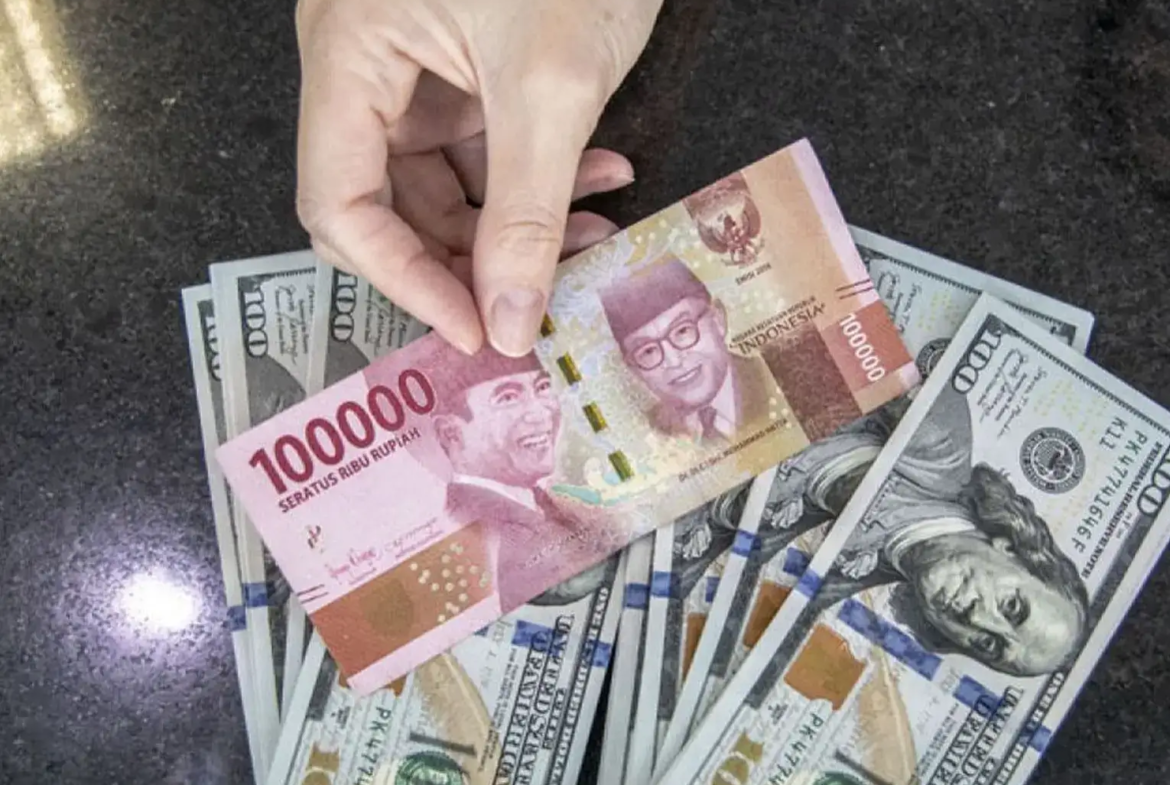
The Indonesian rupiah has been under pressure in 2026. As of June 11, 2026 (when this article was written), 1 USD was equal to around IDR 17,977 to IDR 17,990 based on market exchange rate references.
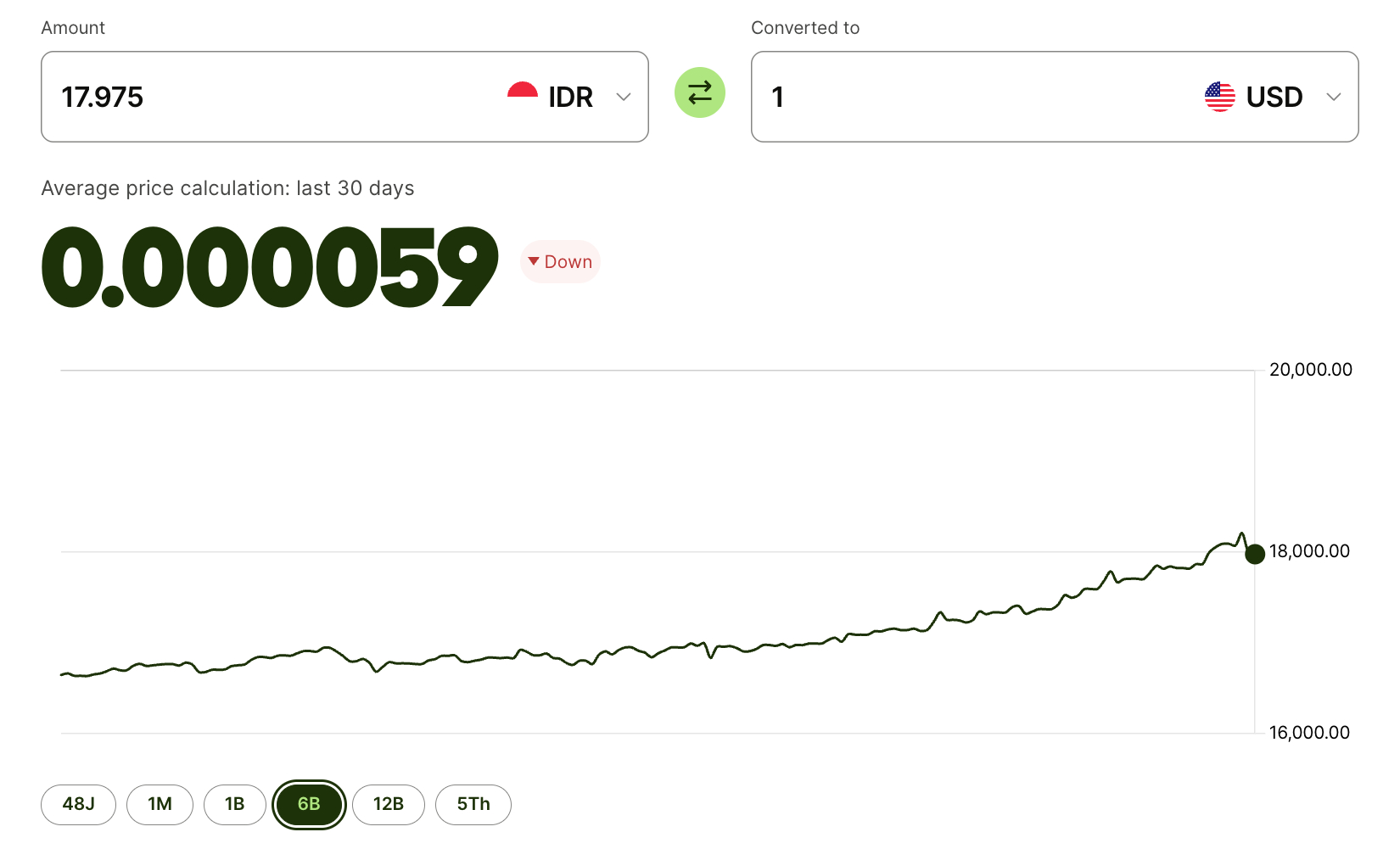
The rupiah has weakened sharply since early 2026, partly due to global uncertainty, rising geopolitical tension in the Middle East, and stronger demand for the US dollar as a safer asset.
From the domestic side, investors are also paying close attention to Indonesia’s fiscal policy, subsidy burden, inflation risk, and certain government policies that may be viewed as controversial by financial markets.
But this does not mean Indonesia’s economy is collapsing. It creates an interesting opportunity for people who want to enter Bali real estate market instead.

What Is the Impact of a Weakening Rupiah on Bali Property Investment?
More foreign buyers are starting to see the weak rupiah as an entry opportunity into Bali real estate, especially if they hold stronger currencies such as USD, EUR, AUD, or SGD. They may receive more rupiah when converting their funds and that increases their buying power.
This trend is also visible among new clients at Bali Villa Realty. It is not only foreign buyers who are paying attention. Some Indonesian clients who hold savings in stronger currencies are also converting their funds to buy villas in Bali.
However, this does not mean every Bali property suddenly becomes cheaper. High-demand villas and land plots in prime locations such as Canggu, Berawa, Pererenan, Uluwatu, Seminyak, and Ubud are still supported by strong demand and limited supply.
Sellers may also price their properties in USD or adjust their asking prices based on the exchange rate. Because of this, the buyer’s currency advantage can be reduced if the seller already understands the same opportunity.
Weak Rupiah Impacts on Your Bali Villa Rental Income

When the rupiah weakens, Bali can become more affordable for international visitors from stronger-currency countries. According to BPS Bali, the number of foreign tourist arrivals to Bali reached 553,328 visits in April 2026 (+17.2% compared to the previous month). This may support demand for accommodation, restaurants, transport, entertainment, and other tourism-related services.
For villa owners, this can be a positive signal. If you rent out a villa on a daily, monthly, or long-term basis, stronger tourist demand may help improve your occupancy and rental performance.
However, the benefit still depends on how rental income and operating costs are managed. If your villa earns income from foreign guests but pays many operating costs in rupiah, the owner may benefit from stronger foreign-currency revenue.
But if the villa has expenses linked to imported goods, foreign loans, USD-denominated contracts, or international suppliers, the benefit may be smaller.
This is why smart pricing strategy becomes important. Some villa owners who list their properties with Bali Villa Realty have already adjusted their sale or rental prices to respond to the exchange rate gap and changing market conditions.

Be Careful With Your Exit Strategy
If an investor buys a Bali property while the rupiah is weak, they may benefit from stronger buying power at the beginning. But if they later sell the property while the rupiah remains weak, the asset value may look lower when converted back into their home currency.
On the other hand, if the investor holds the property long term and the rupiah later stabilizes or strengthens, the foreign currency value of the asset may improve.
Exchange rates will continue to move over time. So instead of focusing only on the current rupiah level, investors should ask broader questions before buying:
- Does the property align with your long-term investment goals?
- Is the location supported by future infrastructure and development?
- Are rental expectations realistic?
- Is the ownership or lease structure suitable?
- Are the purchase price and operating costs properly calculated?
- Does the property offer long-term value beyond short-term currency movement?
- What is the exit strategy if the rupiah remains weak?
- What is the exit strategy if the rupiah strengthens again?
Read More: 7 Proven Exit Strategies for Bali Luxury Property Investors
Invest Smarter With Our Senior Advisors at Bali Villa Realty
Navigating Bali’s changing market can feel confusing, especially if you are investing from another country. Movements in currency, local rules, property prices, ownership types, and market demand all need to be carefully considered.
That is where Bali Villa Realty can help. With direct experience in the Bali property market, our senior advisors understand how to assess current conditions and identify opportunities more clearly.
Book your free consultation to receive current market insight, step-by-step guidance, and property recommendations based on your investment goals.
Conclusion
A weaker rupiah may open doors for opportunity, but it should never be your sole reason to invest.
A strong Bali property investment still depends on location, legal structure, property quality, rental demand, asset management, and long-term planning.
Thinking about buying property in Bali? Reach out for free expert guidance and a personalized investment plan tailored to your goals. We handle everything, with no commitment required.