
Key Takeaways
- Foreigners aged 55 and above can legally retire in Bali through a Retirement KITAS or alternative visas such as the Second Home Visa.
- Retirement KITAS requirements include proof of USD 3,000 in monthly income or a USD 50,000 bank deposit, valid health insurance, employment of local staff, and a formal commitment not to work in Indonesia.
- Some of the best areas to retire in Bali include Ubud, Sanur, Nusa Dua, Cemagi, Seseh, and Kaba-Kaba.
- Bali’s cost of living is relatively affordable compared to Western countries. Average monthly expenses range from USD 238 to USD 1,193. With a higher budget, you can enjoy a comfortable or luxury lifestyle.
- A successful retirement in Bali requires careful preparation, including trial living, financial planning, housing decisions, healthcare coverage, and visa compliance.
Thinking about retiring in Bali and owning a home here? You’re not alone.
For many, it’s a lifelong dream. Imagine waking up to ocean breezes, enjoying a slower pace of life, and stretching your budget further than you could back home.
Sounds perfect, right? But before you pack your bags, there are a few things you need to know.
We’ve put together a simple guide that answers the most common questions from retirees, so you can see if Bali is the right move for you.

Can Foreigners Retire in Bali?

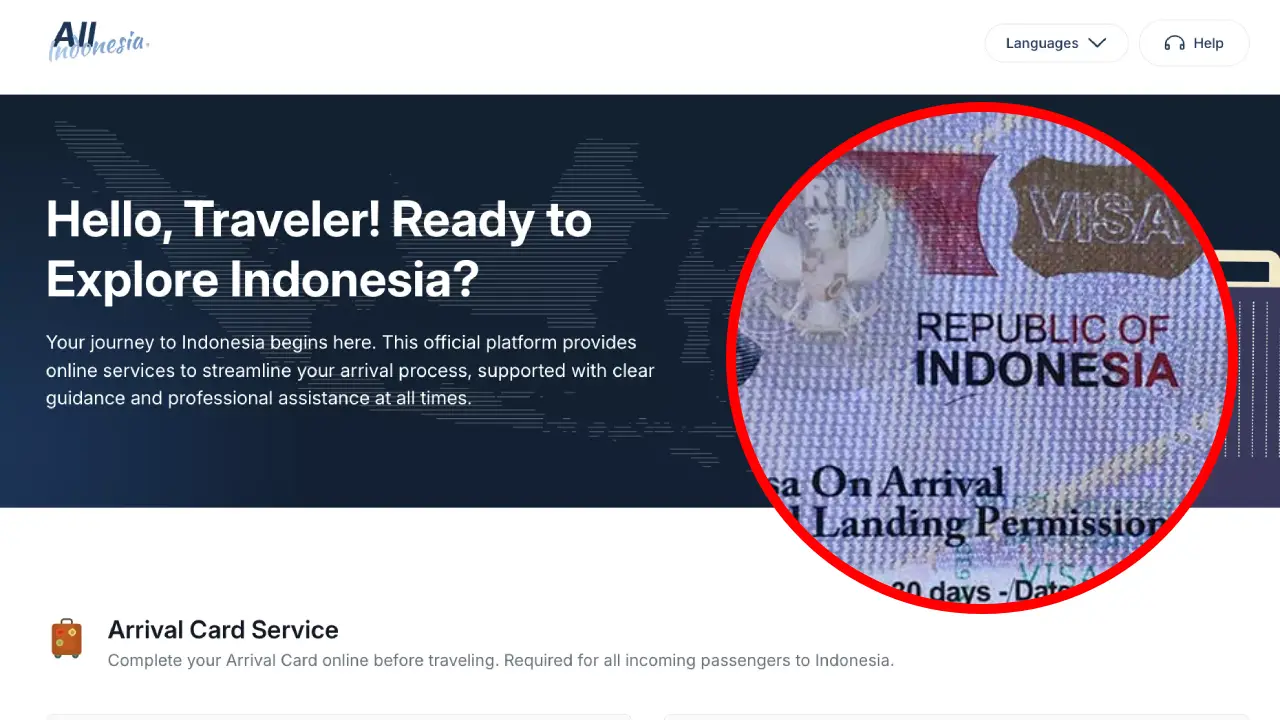
Yes, foreign nationals are allowed to retire in Bali. Indonesia offers a Retirement KITAS for individuals aged 55 and above who wish to spend their retirement in the country.
This permit is valid for one year, allows an unlimited re-entry permit, and can be renewed each year, for a maximum total period of five years. After holding a retirement KITAS for five years, you may apply for a KITAP, which grants permanent residency status.
Another alternative is applying for Second Home Visa. While this is not classified as a retirement visa, it allows you to reside in Bali long term and maintain a residence.
Retirement VISA/KITAP Requirements
- You are 55 years old or above
- You have sufficient financial means of at least USD $3,000 per month or a lump sum of USD $50,000 placed in a state-owned Indonesian bank
- You hold valid health insurance
- You employ two local Indonesian staff
- You formally commit not to work in Bali
Discover Your Ideal Retirement Villa in Bali — Browse Now
Where is the Best Place to Retire in Bali?

If you’re planning to retire in Bali, here are some top spots worth considering:
1. Sanur – Best for Relaxed Beach Living with Daily Conveniences
Sanur is a long-time favorite for retirees who want easy beach access without the party scene. The area is flat, walkable, and well-developed, with plenty of cafés, mall, and international grade medical facilities nearby. Life here feels slow and comfortable.
Pros:
- Calm beach and seaside walks
- Easy access to healthcare and daily needs
- Quiet and retiree-friendly atmosphere
Cons:
- Less “green” than inland areas like Ubud
- Property prices can be higher than rural areas
2. Ubud – Best for Art Lovers and Green Surroundings
Ubud is Bali’s cultural heart, ideal for retirees who want peace, nature, and a deep connection to local traditions. The local community is warm and welcoming, making it easier to settle in.
While it doesn’t offer beach access like Sanur, Ubud provides a calm lifestyle surrounded by rice fields, jungle views, and creative spaces.
Pros:
- Peaceful and green environment
- Strong art, culture, and wellness scene
- More affordable than many beach areas
Cons:
- No direct beach access
- Traffic can be busy in central Ubud
Read More: Ubud or Sanur: Which One is Better for You?
3. Nusa Dua – Best for Luxury Living
Nusa Dua offers a clean, secure, and well-managed environment. It’s ideal for retirees who prioritize comfort, safety, and access to international grade luxury spots, including five-star hotels, restaurants, and hospitals. The lifestyle here is peaceful and polished, with less chaos than other parts of Bali.
Pros:
- Very safe and well-maintained
- Close to quality healthcare and premium daily convenience
- Quiet and organized area
Cons:
- Higher living and property costs
- Limited local village atmosphere
View Our Exclusive Nusa Dua Villa for Sale
4. Cemagi – Best for Quiet Coastal Living and Open Space
Cemagi is a tranquil coastal area with ocean views and a slower pace of life. It’s perfect if you want more space, fresh air, and a strong connection to nature. You’re away from crowds but still within driving distance of essential services.
Pros:
- Good value for larger homes
- Peaceful and uncrowded
- Ocean views and natural surroundings
Cons:
- Limited shops and restaurants
- Car or scooter needed for daily errands
5. Seseh – Best for Friendly Expats and Local Community
Seseh offers peaceful beach living with a friendly local and expat community. The area remains quiet and uncrowded, making it appealing for retirees who want a simple seaside lifestyle without high costs or heavy tourism.
Pros:
- Quiet beach environment
- Reasonable cost of living
- Relaxed and welcoming community
Cons:
- Limited nightlife and entertainment
- Fewer shopping options nearby
6. Kaba-Kaba – Best for Rural Charm Near Canggu
Kaba-Kaba sits just outside the busy Canggu area, offering rice field views and a slower village lifestyle. It’s growing steadily, with new homes and better access roads, while still keeping its local feel.
Pros:
- Green and peaceful surroundings
- Fair property prices
- Easy access to cafés and services in Canggu
Cons:
- Infrastructure still developing
- Not a beachside location
View Kaba-Kaba Villas for Sale

Is Bali Expensive to Retire?
No. Bali has a lower cost of living compared to many other countries, which makes it a comfortable place to retire:
| Place | Monthly Cost (IDR) | Monthly Cost (USD) |
|---|---|---|
| Bali, Indonesia | IDR 4M – 20M | USD 238 – 1,193 |
| United Kingdom | IDR 16M – 26M | USD 955 – 1,553 |
| Australia | IDR 20.6M – 46.5M | USD 1,230 – 2,777 |
| United States | IDR 23M – 55M | USD 1,500 – 3,500 |
The average monthly cost of living in Bali for one person is around IDR 3M–8M (USD 179–477). This usually includes daily food and groceries, transportation, rent, and entertainment.
There may be extra costs for healthcare. A regular medical check-up can cost around IDR 1M–12M (USD 59–716). In total, your monthly expenses in Bali may range from IDR 4M–20M (about USD 238–1,193).
Of course, costs depend on personal preferences and financial ability. With a higher budget, you can enjoy a more comfortable or even luxury retirement lifestyle in Bali.
What about Taxes for Foreign Retirees in Bali?
Yes, tax obligations still apply for foreign retirees. In Indonesia, you are generally classified as a tax resident if you stay in the country for more than 180 days within a calendar year.
However, this rule is different for KITAS holders. Once your KITAS is issued, you are considered a tax resident from the date the visa becomes active, regardless of how many days you have spent in Indonesia.
Indonesia uses a progressive income tax system, with rates ranging from 5% to 35%, depending on the amount of income you are required to declare.
You will also need a local tax identification number (NPWP), which is required if you want to open a local Indonesian bank account.
Read More: Understanding Bali Property Taxes for Foreign Buyers
Step by Step to Retire in Bali

We spoke with several people who have already made Bali their retirement home, and here’s the approach they recommend.
1. Try Spending a Few Months Before Moving Permanently
Before thinking about visas, cars, or property, spend a few months actually living in Bali.
Bali is an amazing place, which is why many foreigners choose it for retirement. But let’s be honest—the island is not for everyone. We’ve seen cases where people didn’t enjoy living here, had different expectations, or missed their family back home.
That’s why it’s important to do a trial run. Live in Bali for a few months and follow your real retirement routine—not a holiday lifestyle. Do your own grocery shopping, pay bills, cook at home, try local healthcare, and use daily transportation.
This will give you a realistic picture of daily life in Bali and help you decide whether relocating is truly right for you.
Read More: Planning to Move to Bali Permanently? Start Here (2026)
2. Check Your Finances
You can’t open a local bank account until you have a retirement KITAS (visa), but you can still review your financial situation early.
To live comfortably in Bali, you’ll need around $1,500 per month. However, to qualify for a retirement visa, you must show a minimum monthly income of $3,000.
This means your lifestyle will be funded entirely by savings or income from abroad, as working legally in Bali is not allowed on a retirement visa.
3. Find a Place to Live
Once you’re confident Bali is the right choice, secure a rental or lease agreement.
Foreigners cannot own land in Indonesia. While you can purchase property under certain structures, the land itself will not be in your name.
Always seek legal advice before signing anything, and visit the property in person to check its condition. For a smoother process, you can work with an experienced Bali real estate agency such as Bali Villa Realty by Ilot Property.
Our senior advisors can help you find the right retirement home—from the first consultation to receiving the keys. You can book a free consultation anytime to ask questions or take the next step.
4. Decide How You’ll Get Around
If you plan to drive, you’ll need an International Driving Permit along with a valid license from your home country. After your visa is approved, you can apply for a local driving license within six months.
Most people in Bali use motorbikes or cars, either rented or purchased. Public transportation is limited, especially in expatriate areas. If you don’t drive, you’ll likely rely on ride-hailing apps like Gojek, Grab, or Maxim for longer trips.
Choosing a home near shops, clinics, and cafés can make daily life easier, as you can walk instead of relying on transport.
5. Sort Out Health Insurance
Healthcare in Bali is generally more affordable than in many Western countries, but serious medical treatment can still be costly. That's why having valid health insurance is essential.
It’s best to speak with several insurance brokers or a financial planner to find a plan that suits your age, health needs, and long-term plans.
6. Hire Local Staff
To qualify for a retirement visa, you are required to employ at least one Indonesian citizen. This can be a housekeeper, gardener, driver, personal assistant, or chef.
The cost is still reasonable. Bali’s current minimum wage is around IDR 2.9 million per month (approximately USD 173).
7. Prepare Your Paperwork and Apply for the Visa
Gather all required documents for your visa application. Using a local visa agent is highly recommended—they can save you time, reduce stress, and help avoid costly mistakes.
Once everything is ready, you can apply for your retirement KITAS either from inside or outside Indonesia. If you apply from within the country, you’ll need to exit and re-enter Bali to complete the process.
Read More: Do You Need a Specific Visa to Buy a Villa in Bali?
Why Should You Consider Retiring in Bali? Pros and Cons
With its natural beauty and slow-paced lifestyle, many people agree that Bali is one of the best places to spend your later years. A report from Detiktravel even lists Bali as Asia’s fourth-best destination for retirees. However, there are still some pros and cons to consider carefully:
Pros:
- Affordable living: While Bali is not as cheap as it used to be, the living costs are still much lower than in most Western countries.
- Tropical weather: Warm and pleasant all year round.
- Beautiful variety: From stunning beaches to tall mountains and even active volcanoes, there’s something for everyone.
- Plenty to do: Gyms, golf courses, medical clinics, supermarkets—you’ll find it all here. You can keep your hobbies or even pick up new ones.
Cons:
- Far from home: Friends and family will be much farther away.
- Language barrier. Not everyone speaks English, and learning Bahasa Indonesia takes time.
- Different health care: The system here isn’t the same as back home. You can get good care, but some treatments or procedures may be harder to arrange.
Read More: Thinking of Living in Bali as a Digital Nomad? Read This First
Conclusion
Retiring in Bali is absolutely possible, and many people have already done it. Sure, the process might feel a bit overwhelming at first, but with the right help, it can be smooth and stress-free.
That’s where we come in. At Bali Villa Realty, we help foreign investors find the right property and make the whole process hassle-free.
If you’re planning to retire or invest in Bali, book a free chat with us. We’ll walk you through your options, answer your questions, and help you move closer to making your Bali plans a reality.