Disclaimers: This article is for informational purposes only. We strongly recommend speaking with a qualified advisor before making any final investment decisions.
Key Takeaways
- Australians can buy property in Bali if they follow local laws, usually through a PT PMA (foreign-owned company) or by using a leasehold agreement.
- Buying from Australia involves some key steps: research location and budget, set up legal structure, view properties, conduct due diligence, sign agreements, and complete the transfer through a notary.
- Required documents include a valid passport, residency permit, proof of income, and property-specific papers; extra costs like taxes, notary fees, and agent fees should be budgeted at 5–10% of the purchase price.
Can you buy villa in Bali if you live in Australia? Yes, but only if you follow local property ownership laws.
Many Australians are choosing Bali as an alternative place to live, whether to build a private home or enjoy a slower-paced lifestyle during retirement.
One reason for this is the significant increase in Australia’s housing value, which has made it hard for 9 out of 10 people to afford a home there.
In this article, we’ll explore the current property landscape in Bali and its potential for Australians looking for a new place to call home.
Can Australians Buy Property in Bali?
Yes, Australians can buy property in Bali, as long as they follow the local laws. Usually, countries have special agreements that decide if foreigners can own property. But for Australians, there’s no such deal with Indonesia.
This means if you’re from Australia and want to invest in Bali, you’ll need to follow the same rules that apply to all foreigners.

How to Buy a Villa in Bali from Australia

Buying property in Bali as an Australian involves several steps:
1. Research Your Location, Budget, and Property Type
Start by choosing which part of Bali you want to buy in. Some areas are especially popular with Australians, and each one offers its own lifestyle, atmosphere, and investment opportunities:
| Best Bali Area to Buy Property (for Australians) | Characteristics | Best for | Vibe / atmosphere | Typical distance from airport |
|---|---|---|---|---|
| Seminyak | Walkable dining, shopping, and beach clubs; familiar and convenient for first-timers. | First-time visitors, couples, foodies, shoppers | Upscale, trendy, busy but not chaotic | ~20–30 min |
| Canggu (including Berawa, Batu Bolong, Tumbakbayuh) | Surf beaches, café culture, digital-nomad scene, lively but laid-back. | Surfers, remote workers, 20s–30s social crowd | Hipster, energetic, beachy | ~40–45 min |
| Kuta / Legian | Very close to airport, cheap accommodation, strong nightlife, classic “Aussie” Bali. | Budget travellers, groups, party-goers, first landings | Lively, crowded, touristy | ~10–20 min |
| Uluwatu / Bukit Peninsula | Dramatic clifftop views, world-class surf, sunset temples, luxury villas. | Surfers, couples, luxury seekers, sunset chasers | Boho-chic, spread-out, scenic | ~30–45 min |
| Ubud | Jungle, rice terraces, temples, wellness, culture; popular for longer stays and nature-focused trips. | Culture lovers, wellness, couples, families wanting calm | Serene, spiritual, green | ~60–90 min |
| Sanur | Calm, swimmable beach, promenade, family-friendly, relaxed pace; popular with older Aussies and long-stay visitors. | Families, seniors, long-stay visitors, those avoiding crowds | Laid-back, local, safe | ~30–40 min |
| Nusa Dua / Jimbaran | Polished resort zone, calm bays, family resorts, seafood at Jimbaran Bay. | Families, resort lovers, travellers wanting easy, contained stays | Quiet, upscale, resort-heavy | ~20–40 min |
| Lovina / Candidasa (less common but growing) | Quiet north/east coast towns, slower pace, fewer crowds; appealing for repeat visitors and long-stay expats. | Repeat visitors, remote workers, retirees, nature lovers | Sleepy, local, tranquil | 1.5–2+ hrs |
In addition, set a realistic budget that fits your finances and the current market. Think about whether you want a villa, an apartment, or land to develop, depending on your goals.
For example, if you want to move right away, buying a villa or renting an apartment is the easiest option. An apartment is a good choice if you are new to Bali and want to be near other expats. If your goal is to grow your investment, buying land is usually the better option.
Having a clear plan from the start will save you time and effort later on.
2. Understand Your Ownership Options
Foreigners are not allowed to directly own freehold property in Bali, but there are several alternative ways you can buy property:
- Buying leasehold is a popular choice for foreigners, including Australians. It works well for personal use or small rentals. You can lease a villa, apartment, or land for 25 to 30 years, with the option to extend for a total of 80 years.
- Setting up a PT PMA, which is a foreign-owned company, is a good option if you want to use your property for business purposes. To do this, you need to register with the Indonesian Investment Coordinating Board (BKPM).
3. Shortlist and View Properties
Work with a reputable real estate agent to create a shortlist of properties that match your goals.
Visit each property in person if possible (remember, online photos and videos can be misleading). Pay attention to location, access roads, building quality, and surroundings.
4. Conduct Due Diligence
This step is critical. Verify that the seller holds a Certificate of Property Ownership (Sertifikat Hak Milik) or Lease Agreement, and ensure there’s a Building Approval document (PBG).
Also, check zoning regulations to ensure the property can be used for your intended purpose. A good notary or lawyer can handle these checks for you.
Read More: Due Diligence in Real Estate: Meaning, Checklist and Report Example
5. Sign the Purchase Agreement and Pay the Deposit
After you complete due diligence, sign the Purchase Agreement (Perjanjian Pengikatan Jual Beli) in the presence of an authorised public notary.
This contract lists the price, payment terms, and conditions. You will also need to pay the agreed deposit, which is usually 10-30% of the purchase price.
Once you have made all payments, you will sign the Sale and Purchase Deed (Akta Jual Beli) with the notary. The notary will then send the necessary documents to the National Land Agency (BPN) to complete the official transfer of rights.
6. Receive Certificates and Final Documents
Once the transfer is complete, you will get all the legal documents. These include the property title (HGB or HP for PT PMA, or a lease agreement for leasehold), building permits, and the signed Sale and Purchase Deed. Store these documents safely because they prove your legal ownership or usage rights in Bali.
Legal Basics for Australian Investors in Bali
If you’re an Australian looking to invest in Bali, you’ll need to understand the legal setup to ensure everything runs smoothly.
1. PT PMA (Foreign-Owned Company)
This is a type of company that lets foreigners legally own property in Indonesia. Through a PT PMA, you can get:
- Hak Guna Bangunan (HGB): Right to build on land for up to 80 years.
- Hak Pakai (HP): Right to use existing property for 25 years, with renewals up to 70 years.
Setting up a PT PMA takes time and paperwork, but it’s the proper route if you want to own property under your name.
2. KITAS (Temporary Stay Permit)
If you plan to stay longer than 60 days at a time, you’ll need a KITAS. This is your residency permit while living in Bali.
Read More: Bali Bridging Visa Guide: Extend Your Stay Easily
3. Pondok Wisata (Rental License)
Planning to rent out your villa to tourists? You’ll need a Pondok Wisata license. This gives you the legal right to run your property as a rental business in Bali.
Required Documents, Taxes & Additional Fees for Australians Buying Property in Bali

Required Documents
- Residency Permit (KITAS or KITAP): Needed if you’re staying in Indonesia long term.
- Valid Passport: Your Australian passport with a valid visa.
- Proof of Income: Bank statements or other documents showing you can afford the purchase.
- Other Supporting Documents: This depends on the property type. For example, building plans, land certificates, or permits if required.
Taxes and Additional Fees
Beyond the purchase price, you’ll also need to budget for some extra costs:
| Tax Type | Indonesian | Australian |
|---|---|---|
| Annual Property Tax | Low PBB at a flat rate | No separate property tax, but rental income must be reported as worldwide income |
| Property Purchase Tax | 5% BPHTB paid by the buyer | None at the time of purchase, but Capital Gains Tax (CGT) may apply later |
| Income Tax (Rental) | 10% final tax on gross rental income | Taxed at marginal rates (up to 45%), with possible offsets |
| Company Profit Tax (PMA) | 22% corporate tax on net profit | Not applicable unless profits are repatriated back to Australia |
| Capital Gains Tax | No CGT law applies | Full CGT rules apply for foreign property sales |
The good news is that you won’t be taxed twice on the same income. To prevent double taxation, the Australia–Indonesia Double Tax Agreement (DTA) allows you to claim a tax credit for taxes already paid in Indonesia (claimed as a Foreign Income Tax Offset (FITO)).
Why Do Many Australians Choose to Move or Invest in Bali?
Along with its stunning scenery, Bali is also a great place for Australians to invest in property.
1. Double Tax Agreement (DTA) with Indonesia
As we've mentioned before, the Australian and Indonesian governments have made it easier for people who earn money in both countries by creating the Double Tax Agreement (DTA). This agreement ensures you do not pay taxes twice on the same income.
The agreement sets out which country can tax different types of income, such as your salary or business earnings. For some income, only the country where you live will tax you.
However, certain types of income have special rules. It is a good idea to speak with a lawyer to make sure you understand all the details properly.
2. Climate and Affordable Living
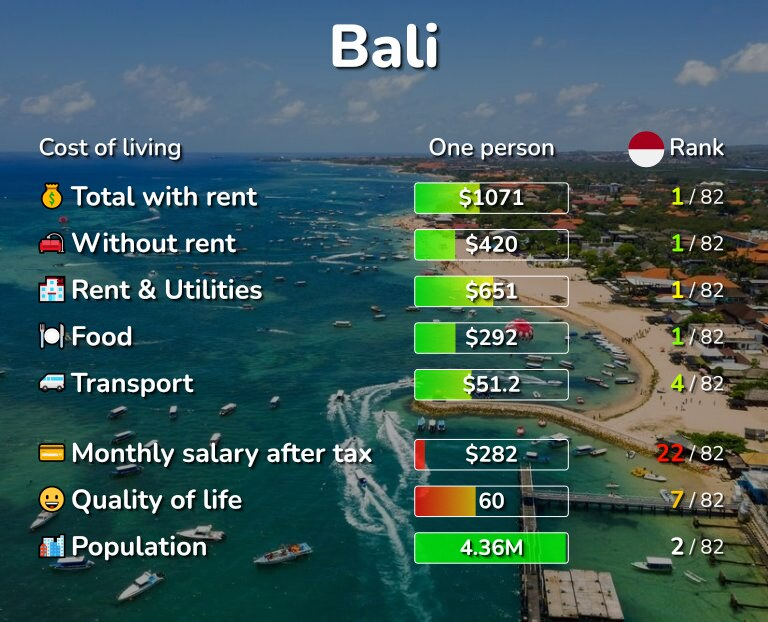
According to LivingCost.org, the average cost of living in Bali in 2025 was around USD 1,071 (approx. AUD 1,499) per person per month, including rent. In comparison, living expenses in Australia typically range from AUD 1,400 to AUD 2,500 per month, excluding rent.
In addition, many people like Bali for its warm climate, beautiful beaches, and vibrant culture.
3. Political and Economic Stability
It’s also worth considering Bali’s economic and political stability, especially if you’re planning to invest in or run a business here.
According to Badan Pusat Statistik (BPS), Bali welcomed around 7.05 million international visitors in 2025. The island’s economy also grew by 5.82%, outpacing growth recorded in 2023 and 2024. Together, these figures point to continued tourism demand and economic momentum, which can be encouraging signals for investors considering business opportunities in Bali.
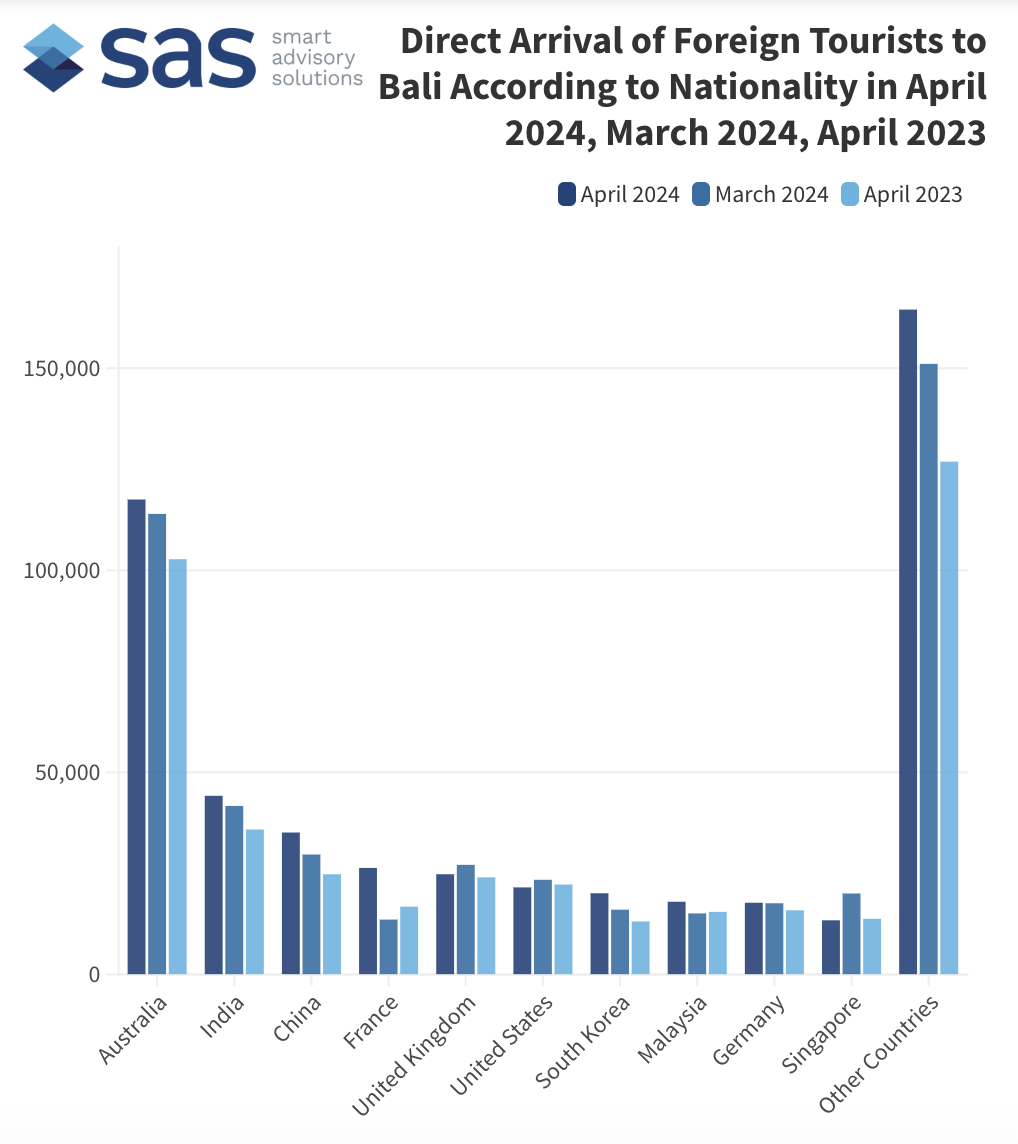
Australia also remains one of Bali’s most important tourism markets. According to a SAS Bali report, Australian tourists made up 23.35% of international arrivals in April 2024, making them the largest visitor group. They were followed by visitors from India (8.78%), China (6.98%), France (5.24%), and the United Kingdom (4.93%).
For Australian investors in particular, this strong and established connection between the two markets can be another factor worth considering when evaluating tourism, hospitality, and property-related business opportunities in Bali.
Conclusion
Australians can own property in Bali as long as they follow local regulations. With a lower cost of living, Bali offers the chance to build your dream home, enjoy a more relaxed lifestyle, and potentially earn strong returns from your villa.
The key is understanding the rules and planning carefully. Bali Villa Realty can guide you through the process. Send us your questions anytime for a free, no-commitment consultation.
FAQ
Popular destinations include: Indonesia (Bali), New Zealand, United States, United Kingdom, Thailand, Vietnam, Europe (France, Spain, Italy, Greece)
Yes. Australian citizens can live in Bali long-term by obtaining the appropriate visa, like Retirement Visa or Investor Visa.
Foreigners can get a mortgage in Bali, but the process usually has stricter rules and requirements than it does for locals.
Yes. Australians are allowed to build houses in Bali, but they must follow Indonesian property laws. This usually involves using a leasehold agreement or entering a legal partnership with an Indonesian citizen or company.
Yes. Bali’s real estate market offers strong investment potential. Rental yields typically range from 8% to 12% per year.