Disclaimer: This article is for general information only. Actual numbers can vary depending on various factors.
Key Takeaways
- Bali can be significantly cheaper than cities like New York or Canberra (up to 115–195% lower), but your actual monthly cost depends heavily on lifestyle, location, and comfort level.
- Average monthly living costs range from IDR 8M–36M ($480–$2,139+), with housing as the biggest expense, followed by groceries, dining, transport, and utilities.
- Foreigners often pay more than locals due to purchasing power differences, tourism-based pricing, negotiation culture, and perception factors.
- With smart planning—choosing the right villa, living slightly outside tourist hotspots, eating local, and budgeting for visas and insurance—Bali can offer a high quality of life at a fraction of Western living costs.
Many foreigners move to Bali not just for the culture or the weather, but because they're chasing a more affordable lifestyle.
Scroll through Instagram or YouTube for five minutes and you'll find influencers raving about how cheap life here is: cheap food, cheap transport, and yes, even Bali villas for sale at prices that would barely buy a studio apartment back home.
But is the cost of living in Bali really that low? In many cases, yes.
Bali's living costs can be significantly lower than in Western countries. According to Numbeo's 2026 index data, daily expenses in Canberra, Australia run about 115% higher than in Bali (excluding rent) — and in New York, that gap stretches to around 195%.
That said, what you actually spend here depends heavily on how you live. In this guide, we walk through realistic, category-by-category estimates of the cost of living in Bali — from groceries and transport to housing and healthcare — along with practical tips to help you live well without overspending.

How Much Does It Cost to Live in Bali for a Month?
The cost of living in Bali for foreigners varies quite a bit. On average, it ranges from around IDR 8 million to IDR 36 million per month (approximately $480 to $2,139), depending on your lifestyle.
For context, the minimum wage in Bali in 2026 for locals is around IDR 3.4 million ($202) per month. On paper, this suggests you could live like a local on about $200 a month.
However, in reality, pricing for foreigners is often different, and usually higher. Based on general estimates, the monthly cost of living for a family of four is around IDR 36.9 million ($2,193), excluding rent. For a single person, you can live comfortably on about IDR 10 million ($594), excluding rent.
Below are rough average cost estimates for living in Bali for a single person living a modest but comfortable lifestyle.
| Profile | Monthly Budget | Notes |
|---|---|---|
| Local on modest income | $400–700 (IDR 6.4M–11.2M) | Shared housing, local food, minimal going out |
| Frugal expat / nomad | $800–1,200 (IDR 12.8M–19.2M) | Simple house or room, mix of local & Western food, scooter rental |
| Comfortable expat | $1,300–2,000 (IDR 20.8M–32M) | Nice villa, eating out often, private health insurance |
| High-end lifestyle | $2,500+ (IDR 40M+) | Designer villa, frequent fine dining, trips, private driver |
Why Do Foreigners Often Pay More than Locals?
There are several factors behind this:
1. Different Purchasing Power
Many foreigners come from countries like Australia, the United States, or parts of Europe, where average incomes are significantly higher than in Indonesia. Business owners are aware of this.
If someone can easily spend $5 (IDR 83K) on coffee without thinking twice (while that same amount feels expensive for someone earning in rupiah) prices naturally shift. Businesses charge what their target market is willing to pay. It’s basic market behavior.
2. Tourism-Based Pricing Model
Bali’s economy relies heavily on tourism. In areas like Canggu, Seminyak, and Uluwatu, many businesses are designed specifically for international visitors.
In reality, there are often two parallel markets:
- The local market (warungs, traditional shops, local housing)
- The tourist market (beach clubs, villas, Western cafés, boutique stores)
Tourist-oriented businesses operate with a more international pricing mindset rather than local wage standards. So it’s not always about being “overcharged.” You’re often just participating in a different pricing ecosystem.
3. Negotiation Culture
In traditional markets, prices are often flexible. Many locals are comfortable negotiating and understand the typical market value of goods.
Foreigners, on the other hand, may not realize that the first quoted price is often higher, with the expectation that bargaining will follow. So if you don’t negotiate, you may end up paying more compared to locals.
At the same time, many expats prefer convenience and transparency over bargaining. Given their stronger purchasing power, they’re often willing to pay slightly higher prices in exchange for ease and efficiency.
4. Appearance and Perception
Sometimes, pricing differences are based on perception. If you look like a tourist, speak English, or pay by card instead of cash, some sellers may assume you are staying short-term and have a higher budget.
It may not always feel fair, we get it. But unfortunately, this kind of dynamic is common in tourist-driven economies around the world, not just in Bali.
Category of Spending in Bali
There are several main spending categories in Bali, as outlined below.
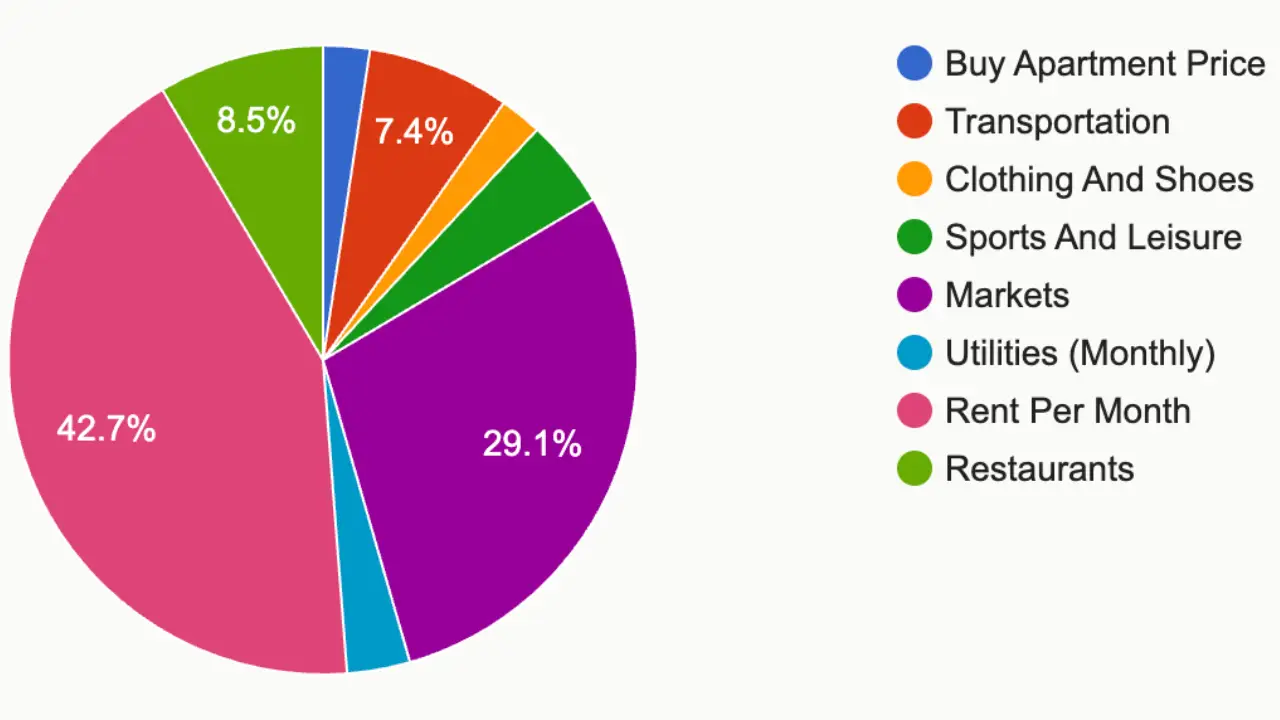
House rent typically takes the largest portion of monthly expenses, followed by groceries and dining out. Here’s a breakdown of the average spending for each category.
1. Housing and Rent
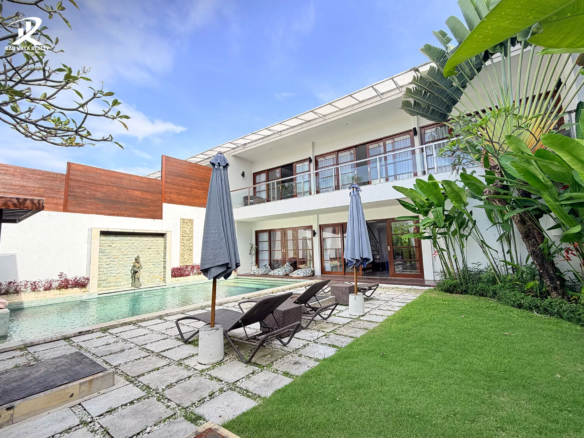
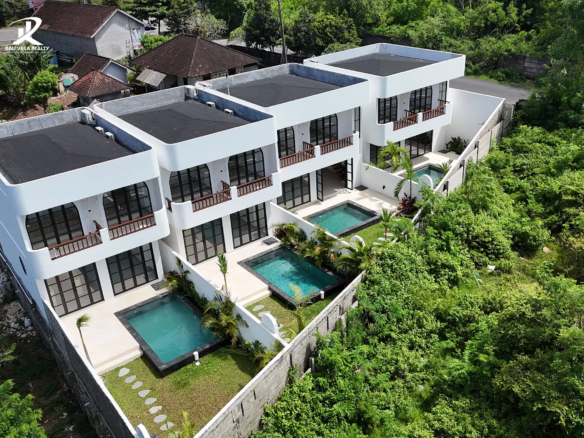
Housing is usually the biggest part of the cost of living in Bali. Based on our 2026 Bali real estate price data, villa prices range from $60,000 to $6M (IDR 1B - IDR 100B), depending on size (1 to 6+ bedrooms). In general, most villas fall between $250,000 and $600,000+ (IDR 4,1B - IDR 10B), depending on the area.
It’s important to understand that property prices in Bali depend heavily on several factors, such as:
- Area
- Number of bedrooms
- Layout and amenities (swimming pool, gourmet kitchen, spa, jacuzzi, karaoke room, etc.)
- Distance from tourist attractions
- Rental status (short-term or yearly)
In many cases, it can be cheaper to buy a leasehold villa compared to renting. In Bali, you can lease a property for 25–30 years, with possible extensions up to a total of 80–99 years. Over time, this can be more cost-effective than paying monthly or yearly rent.
However, buying a leasehold property requires careful planning. That’s why Bali Villa Realty is here to help simplify the process.
Our senior property specialists will guide you from finding the right villa that fits your budget, checking the legal documents, and helping you structure your investment plan if you’re looking to generate returns.
You can explore our Bali villas for sale listing to find your dream home, or speak directly with one of our agents for free and receive personalized recommendations.

2. Groceries
Average grocery spending for expatriates in Bali is around IDR 3M–6M ($178 - $357)per month. It can go higher if you often buy imported goods at premium supermarkets or if you have a family with children.
Here’s a general monthly breakdown:
| Lifestyle Category | Estimated Monthly Cost (IDR / USD) | Notes |
|---|---|---|
| Budget Lifestyle | IDR 1,500,000 – 2,500,000 ($89 - $148) | Shopping at traditional markets and local supermarkets like Pepito or Indomaret. |
| Imported Lifestyle | IDR 3,000,000 – 6,000,000+ ($178 - $357) | Buying imported products, cheese, high-quality meat, and organic goods at premium supermarkets like Frestive or Bali Buda. |
| Small Expat Family | IDR 8,000,000 – 12,000,000 ($476 - $714) | Estimated monthly budget for daily needs. |
3. Food and Beverages
Food costs vary significantly depending on whether you mostly eat local or Western food, and whether you cook at home or dine out.
If you eat like locals, you can spend around $150–$250 (IDR 2,4M–4M) per month. If you cook Western-style meals at home, budget around $200–$350 (IDR 3,2M–5,6M) per month.
Here’s a rough breakdown per meal:
- Local lunch at a warung: $1,5–$3 (IDR 25,000 - IDR 50,000)
- Simple fast-food meal: $4 (IDR 64,000)
- Street snacks, coffee, juices: often under $1–$2 (IDR 16,000 - IDR 32,000)
- Western cafés: from $2,4 (IDR 38,000)
- Beer: small can starts from $1,55 (IDR 26,000) large bottle around $3,10 (IDR 52,000)
- Dinner for two (mid-range): $25 – $30 (IDR 400K–480K)
Read More: Hidden Costs When Buying a Villa in Bali You Shouldn’t Ignore
4. Internet and Phone Fees
Internet has become an essential need today. WiFi prices in Bali are quite competitive, starting from around IDR 150,000 to IDR 300,000 ($8,9 - $17,86)per month for standard speed packages (20–100 Mbps).
Here’s an estimated breakdown:
- Budget Package (IDR 150,000 – 250,000/month or $8,9 - $14,88): Typically offers 10–50 Mbps. Examples include EZnet (from IDR 150K / $8,9), Biznet Home (from 250K / $14,88), and Comet Broadband (100 Mbps, IDR 225K / $13,40).
- Mid-Range Package (IDR 250,000 – 400,000/month or $14,88 - $23,82): Usually offers 50–100 Mbps. Examples include IndiHome (50–150 Mbps) and CBN Fiber.
- Premium/Fast Package (> IDR 400,000/month or >$23,82): Speeds above 100 Mbps up to 1 Gbps, suitable for heavy use or business needs.
Keep in mind there may be additional costs such as installation fees and 11% VAT. If you are buying a villa, ask the owner whether WiFi is already installed. Always check whether internet costs are included in the price or billed separately.
5. Power and Other Utilities
Similar to WiFi, if you’re buying a villa in Bali, you should clarify which utility bills are included in the fee and which are paid separately. These usually include electricity, water, garbage collection, and banjar (local community) fees.
- Electricity: Rates follow the national tariff from PT PLN (Persero), ranging from around IDR 1,352 or $0,08 per kWh (900 VA, subsidized) to IDR 1,699 or $0,10 per kWh (3,500 VA and above).
- Water: PDAM water rates vary by region and customer category. In Denpasar, base tariffs are around IDR 4,060–5,190 or $0,24-$0,31 per m³, while in Badung they start from around IDR 8,165 or $0,49 per m³.
- Garbage collection: Household waste fees typically start from around IDR 20,000 or $1,19 per month, depending on the provider.
- Banjar fees: These vary depending on local regulations, usually between IDR 100,000 and IDR 1,000,000 or $5,95-$59,54 per month.
Many villas include some utilities in the rent. Always confirm what’s included and what isn’t.
6. Motorbike Rent
Most people in Bali use a scooter because public transportation is limited. It gives you more flexibility to explore the island, especially when visiting beaches or rural areas.
Motorbike rental in Bali typically ranges from IDR 50,000 to 150,000 ($2,98 - $8,93) per day, depending on the type and rental duration. In certain areas like Canggu, weekly rates can reach up to IDR 600,000 ($35,72).
Standard automatic scooters (like Scoopy or Vario) are usually more affordable, while premium models such as NMAX or Vespa are more expensive. Petrol costs around $0.60–$0.70 (IDR 10,000 - IDR 11,800) per liter.
Read More: Understanding Bali Property Taxes for Foreign Buyers
7. Insurance and Healthcare
Health insurance for expatriates in Bali is available through private providers, with monthly premiums ranging from around IDR 150,000 to IDR 500,000+ ($8,93 to $29,77+) depending on age and coverage.
This is important for covering private hospital stays, medical evacuation, and travel insurance. There are also other types of insurance, such as villa insurance, if you own or invest in property.
Hospital service costs in Bali for expats typically range from IDR 100,000 to IDR 1,500,000+ ($5,95 to $89) per visit. Private hospitals that serve foreigners without KITAS often charge up to 1.5 times higher than standard public hospital rates.
8. Sports and Leisure
Gym membership costs in Bali vary widely. Local gyms may charge around IDR 100,000 ($5,95) per session, while premium gyms can cost IDR 2.7–3.6 million ($160-$214) per month. Personal training sessions range from IDR 350,000 to IDR 1.2 million ($20-$71,45) per session. Yoga classes can cost up to IDR 250,000 ($14,88) per session.
Entertainment such as beach clubs often has free entry, especially during ladies’ nights. However, there is usually a minimum spend requirement (IDR 500K - 2M+ or $29,77 - $119), depending on the location and popularity of the venue.

Comparing the Cost of Living in Bali

To understand whether Bali is truly affordable, it helps to compare it with other countries. In this case, we're comparing Bali with Australia and New York.
Cost of Living Bali vs New York
If Bali is compared to New York, the cost of living in New York—including rent—is 194% higher than in Bali. Everyday living expenses in New York are also significantly more expensive:
- Rent: 215% higher
- Restaurant prices: 332% higher
- Grocery prices: 108% higher
You would need around IDR 193M ($11,528.9) in New York, NY, to maintain the same standard of living that you can have with IDR 66M ($3929) in Bali.
Cost of Living Bali vs Australia
The cost of living in Australia is 177% higher than in Indonesia (excluding rent). When rent is included, the cost of living in Australia is even higher, reaching 203%, according to Numbeo 2026 data.
Other daily living costs in Australia (using Canberra data for comparison) are also higher than in Bali:
- Rent prices: 24.4% higher
- Restaurant prices: 207% higher
- Grocery prices: 78.5% higher
Many Australians living in Bali report spending only 40–60% of what they would typically spend back home, depending on their lifestyle.
Smart Tips to Manage Your Cost of Living in Bali

If you want to live affordably but still comfortably in Bali, you can follow these tips:
- Find a cheap villa: Look for long-term rentals in local neighborhoods instead of tourist hotspots. Monthly contracts and negotiating directly with owners can often help you secure a better price compared to Airbnb-style rentals. See detailed tips to find cheap villa in Bali here.
- Be strategic about location: Living 5–10 minutes farther from the beach can significantly reduce rent, groceries and food cost while still offering a great lifestyle.
- Eat local: Shopping at markets and eating at warungs keeps food costs low and supports local businesses.
- Have proper health insurance: Major medical issues can be expensive, so don’t rely only on low-cost clinic visits.
- Plan for visa expenses: Extensions, sponsorship fees, or visa runs should be included in your annual budget.
Conclusion
Bali can be significantly more affordable than countries like the United States or Australia. However, your real cost of living depends on where you stay, your lifestyle preferences, and how much comfort you expect.
With smart planning, living in Bali can offer a high quality of life at a fraction of the cost compared to many Western countries — especially when you choose the right villa at a price that fits your needs and lifestyle.
We understand that many foreigners struggle to find an affordable villa in Bali. Are you experiencing the same challenge? You can book a free consultation anytime with one of our senior property specialists, and get personalized property recommendations based on your preferences, goals, and budget.