Key Takeaways
- Bali has a strong selection of international schools, including IB, Cambridge, Australian, Montessori, and sustainability-focused options.
- Each school suits different family needs, such as nature-based learning (Green School Bali), inclusive education (ProEd Global Schools), strong academics (Bali Island School (BIS)), or a close-knit community (Canggu Community School).
- Curriculum fit matters: Montessori works well for early years, IB offers global pathways, and Cambridge suits UK-style academic progression.
- Class systems differ (year-based vs grade-based), and levels may not align directly when transferring schools.
- School fees often include additional costs beyond tuition, such as registration, capital levies, and learning materials.
Moving to Bali with kids is exciting… and a little overwhelming. Schools are often the biggest decision, because the “best” choice depends on many things like where you’ll live, your child’s age, and which curriculum fits your future plans.
Luckily, Bali now has various international schools with a strong expat community. Today, we’re going to explore each option to help you pick the right school for your kids after moving to Bali.

1) Green School Bali – Abiansemal (near Ubud): Best for Nature-Based Learning
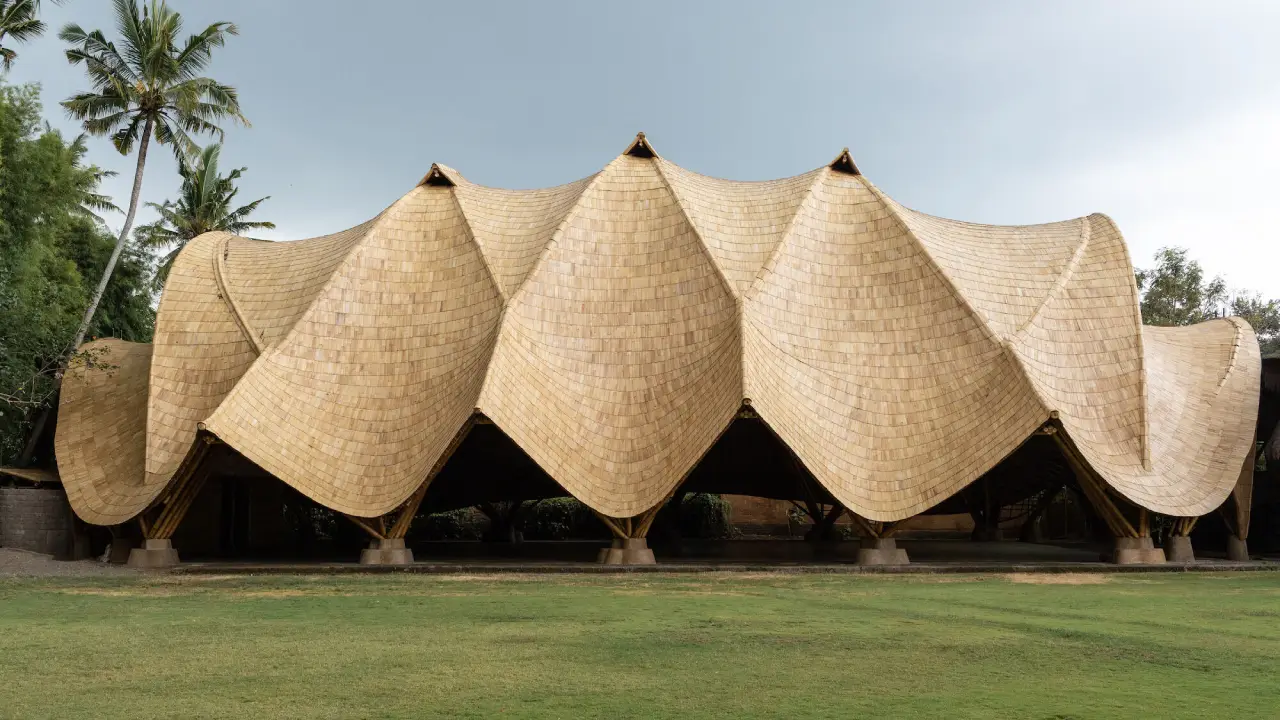
Green School Bali is a PreK–12 school known for its strong focus on sustainability and its iconic open-air bamboo design. Learning here goes far beyond the classroom, with nature playing a big role in everyday education.
The curriculum blends core subjects like maths, science, PE, and English literature with purpose-driven courses such as environmental studies and enterprise. Students are encouraged to take what they learn and apply it to real-life challenges.
Learning also happens through hands-on activities. Outside class, students take part in projects like turning used cooking oil into biofuel, as well as sports, drama, and music performances. Graduates from Green School are eligible to apply to universities worldwide.
Specification:
- Location: Jl. Raya Sibang Kaja, Banjar Saren, Sibang Kaja, Kec. Abiansemal, Kabupaten Badung, Bali
- Grades: Preschool to High School
- Curriculum: Hands-on, sustainability-focused
- Languages: English, Bahasa Indonesia, Spanish, French
- Class Size: Around 20 students
- Extracurriculars: BSSA sports, Balinese dance, surfing
Best for: Families looking for a non-traditional campus, nature-based learning, and a strong sustainability focus.
School Fees (2025/2026):
- Application fee: IDR 4,000,000
- One-time registration fee: IDR 36,000,000
- Enrollment fees: Start from IDR 177,800,000 (full details available)
2) ProEd Global School – Umalas and Nuanu: Best Inclusive Cambridge School

ProEd Global School is well known for its inclusive approach and personalised education. The school operates two campuses in Umalas and Nuanu, serving students from early years through high school.
Education at ProEd is tailored to each child. Class sizes are small, and the school provides extensive extracurricular activities for students aged 5 to 19.
ProEd also offers dedicated support for students with special needs, including special classes and on-site therapists.
The school follows the British Curriculum and provides internationally recognised qualifications through EdExcel, IGCSE, and A Levels. Both campuses are well equipped with playgrounds, swimming pools, sports fields, and a canteen.
Specification:
- Location: Umalas and Nuanu
- Grades: Early Years to High School
- Curriculum: British Curriculum, IGCSE, A Level, ASDAN
- Language: English
- Class Size: 8–15 students
- Extracurriculars: Clubs and SEN support
Best for: Families with children who have special needs and require highly individualised education
School Fees (2025/2026):
- Enrolment fee: IDR 10,500,000
- Tuition fees: From IDR 88,000,000 per year or IDR 22,000,000 per term
- Additional fees may apply (support services, one-on-one assistants, wellbeing levy, etc.). Check full details here.
- Discounts: 5% for new families and siblings, 7% for current families
Read More: Budget-Friendly Bali: An Easy Guide For Family Travelers
3) Bali Island School (BIS) – Sanur: Best IB School in Bali
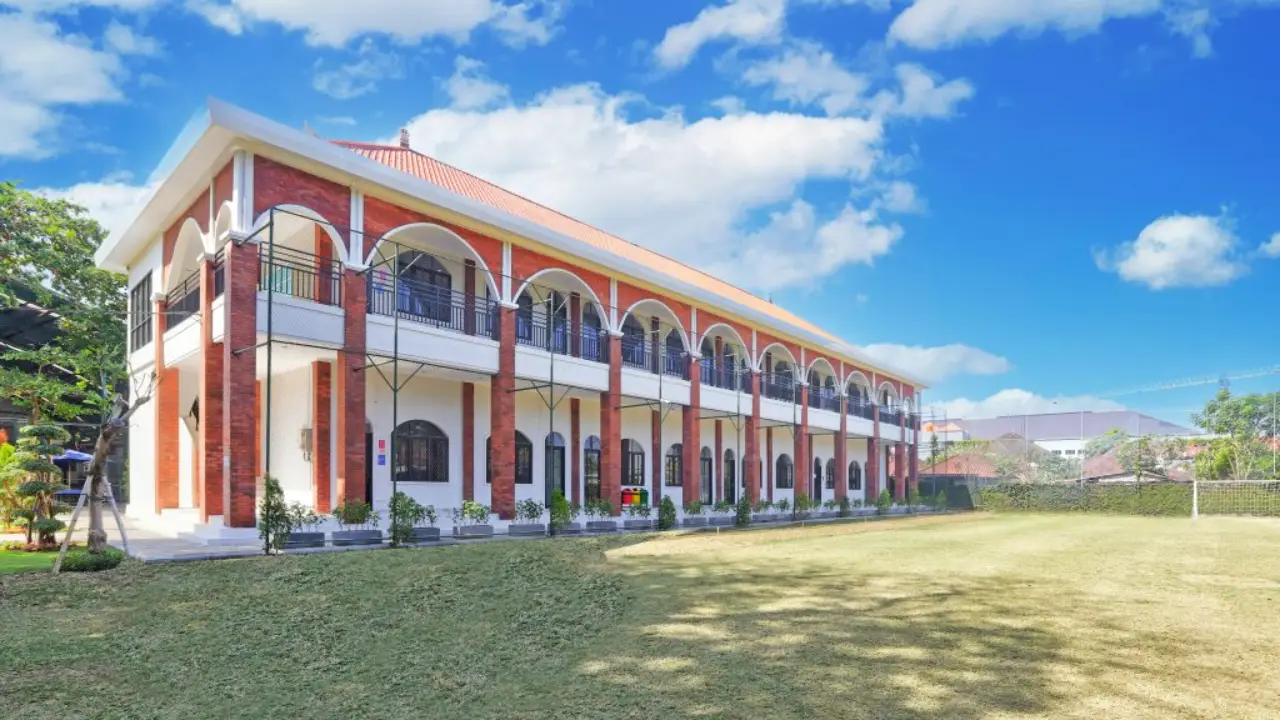
If you are looking for an International Baccalaureate (IB) school in Bali, Bali Island School (BIS) is one of the strongest options.
Founded in 1986, BIS is one of the longest-established international schools on the island. It is also the only school in Bali authorised to offer the full IB programme starting from as young as three years old.
The Sanur campus reflects Balinese culture and has a welcoming, community-focused atmosphere. Facilities include a 25-metre swimming pool, football fields, outdoor play areas, and a large library.
After school, students can join a wide range of activities, from arts and theatre to music and sports.
Specification:
- Location: Sanur
- Grades: Primary to Grade 12
- Curriculum: International Baccalaureate (IB)
- Language: English
- Class Size: Around 20 students
- Extracurriculars: Art, theatre, dance, swimming
Best for: Families seeking a classic international school with all three IB programmes (PYP, MYP, DP) and CIS/WASC accreditation
School Fees (2025/2026):
- Application fee (new students): IDR 2,500,000
- Registration fee (current students): IDR 15,000,000
- Tuition fees: Start from IDR 73,040,000 (full details available)
4) Canggu Community School (CCS) – Canggu: Best International School with a Strong Community
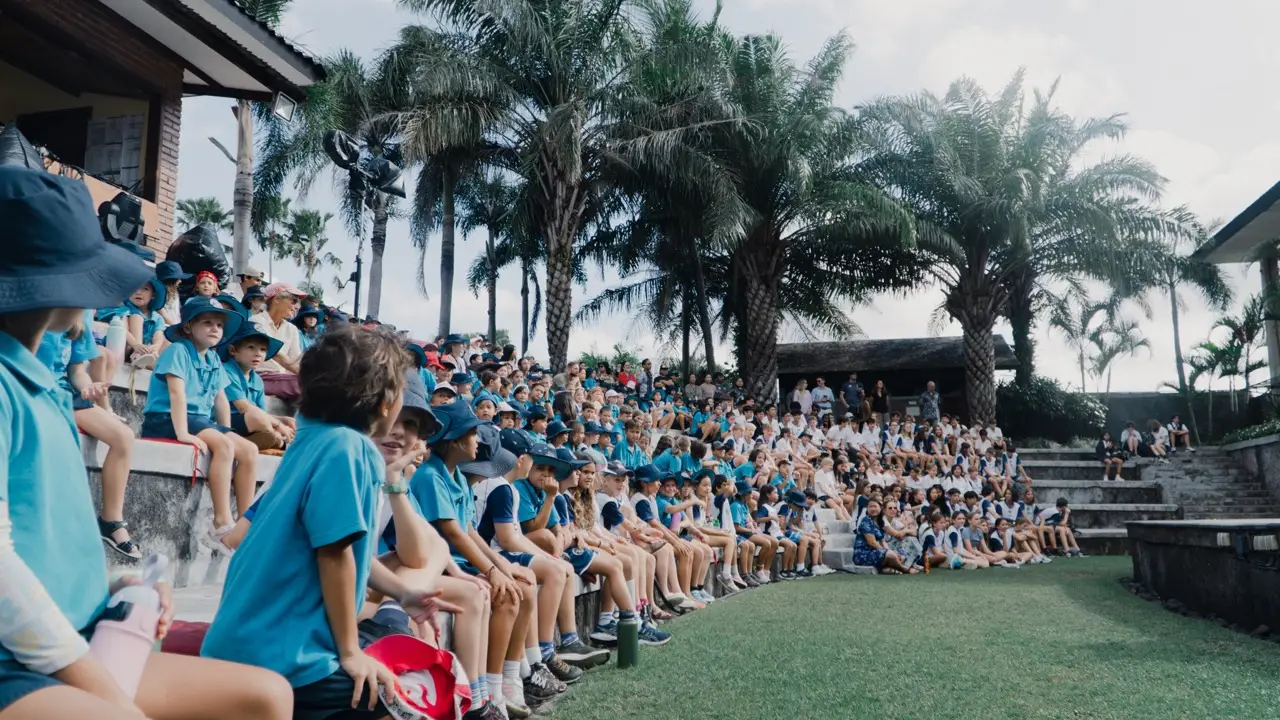
Canggu Community School (CCS) is known for its close-knit environment where students and parents feel genuinely involved in school life.
The school offers internationally recognised programmes from early years, starting with the English National Curriculum for Early Years and Primary.
In Years 10 and 11, students study IGCSE subjects before progressing to the IB Diploma Programme (IBDP) in Years 12 and 13.
CCS also stands out for its wide range of extracurricular activities. With more than 50 after-school options, students have plenty of opportunities to explore interests beyond academics.
Specification:
- Location: Canggu
- Grades: Preschool to High School
- Curriculum: IGCSE and International Baccalaureate
- Languages: English, Bahasa Indonesia, French, Spanish
- Class Size: Around 20–25 students
- Extracurriculars: Surfing, TED Club, various sports
Best for: Families living in Canggu, Berawa, or Umalas who value community
School Fees (2025/2026):
- Application fee: IDR 2,500,000
- Registration fee: IDR 17,000,000 for the first child, IDR 14,000,000 for each additional sibling
- Tuition fees: Start from IDR 110,000,000 (full details here)
- Discounts available for siblings, annual payments (5%), and semester payments (2%)
5) Australian Independent School (AIS Bali) – Denpasar: Best Australian School in Bali

Australian Independent School (AIS Bali) is a popular choice for families looking for an Australian-style education in Bali.
The school follows the Australian Curriculum up to Year 10, then offers the IB Diploma Programme in Years 11 and 12.
Facilities at AIS are among the most comprehensive in Bali, including a competition-size swimming pool, large sports fields, courts, an amphitheatre, science labs, and a well-equipped library.
AIS is also known for its inclusive education model. Students with learning difficulties or disabilities can join mainstream classes while receiving specialist support when needed.
Specification:
- Location: Seminyak / Denpasar
- Grades: Preschool to High School
- Curriculum: Australian Curriculum and IB Diploma
- Languages: English, Japanese, French
- Class Size: 16–22 students
- Extracurriculars: Sports and educational programmes
Best for: Australian expats, families seeking Australian-style education, and those needing specialist learning support
School Fees (2025/2026):
- Application fee: IDR 2,000,000
- One-time registration fee: IDR 5,000,000
- Enrolment notice deposit (refundable): IDR 5,000,000
- Tuition fees: Start from IDR 82,330,000 (full details available)
Read More: Buying Property in Bali as an Australian: Ownership Rules Explained

How to Choose the Right International School in Bali
We gathered practical advice from experienced international school teachers in Bali. These are the key filters they recommend focusing on when shortlisting schools here.
1. Curriculum Fit
Not all international curricula serve the same goals. The “best” option depends on your child’s future education path:
- Montessori: Popular for early years to primary (TK–SD), Montessori focuses on life skills, independence, and hands-on learning. It builds strong foundations for confidence and daily skills before children move on to more academic curricula later.
- IB (PYP / MYP / DP): Ideal for families seeking a globally recognized system with strong university pathways and flexibility across countries.
- Cambridge (IGCSE / AS / A Levels): Well suited for families who prefer a UK-style academic structure and subject-based progression.
- British-style or International Thematic Curricula: Often used in early to middle years. These can work very well for children who learn best through projects, inquiry, and hands-on activities.
2. Class System
Each international school in Bali may use a different class system. Some group students using a year-based system, while others follow a grade-based system.
- British / UK-based schools usually use Years (Year 1–Year 13).
- American and Canadian schools use Grades (Pre-K to Grade 12).
- Australian schools also commonly use a year-based system.
These systems are not always equivalent, which can be confusing for parents. For example, Grade 1 in a grade-based system often equals Year 2 in a year-based system. Also, in many year-based systems, kindergarten is only one year long (Year 1).
Because of these differences, a child’s class level may shift when moving between systems—even if their age stays the same. It’s important to check this early so you don’t need to change schools again sooner than expected.
3. Fees and Hidden Costs
Tuition is only part of the picture. Many international schools in Bali also charge additional fees, such as:
- Registration or application fees
- Capital or development levies
- Learning materials or technology fees
Always request a full fee breakdown, especially for the first year.
4. Learning Support and Student Services
If your child may need learning support, language assistance, or academic counseling, ask:
- What services are available
- Whether support is included or charged separately
Support quality can vary significantly between schools.
5. School Assessment
Many parents also pay close attention to how schools assess students. Assessment systems vary depending on the curriculum, ranging from formal exams such as Cambridge Checkpoint to continuous observation and daily performance reviews.
The school admission process also differs. Some international schools in Bali require entrance tests, while others do not.
Ultimately, the right choice depends on each family’s preferences and what they feel is best for their child.
6. Daily Commute
Bali traffic can be unpredictable. A drive that looks like 20 minutes on Google Maps can easily stretch to an hour during morning rush hours.
Ideally, choose a school close to where you plan to live—or let the school location guide your housing decision.
Read More: How to Retire in Bali as Foreigners: Pros, Cons, and Tips to Consider
Choosing the Right Villa in Bali for Expat Families
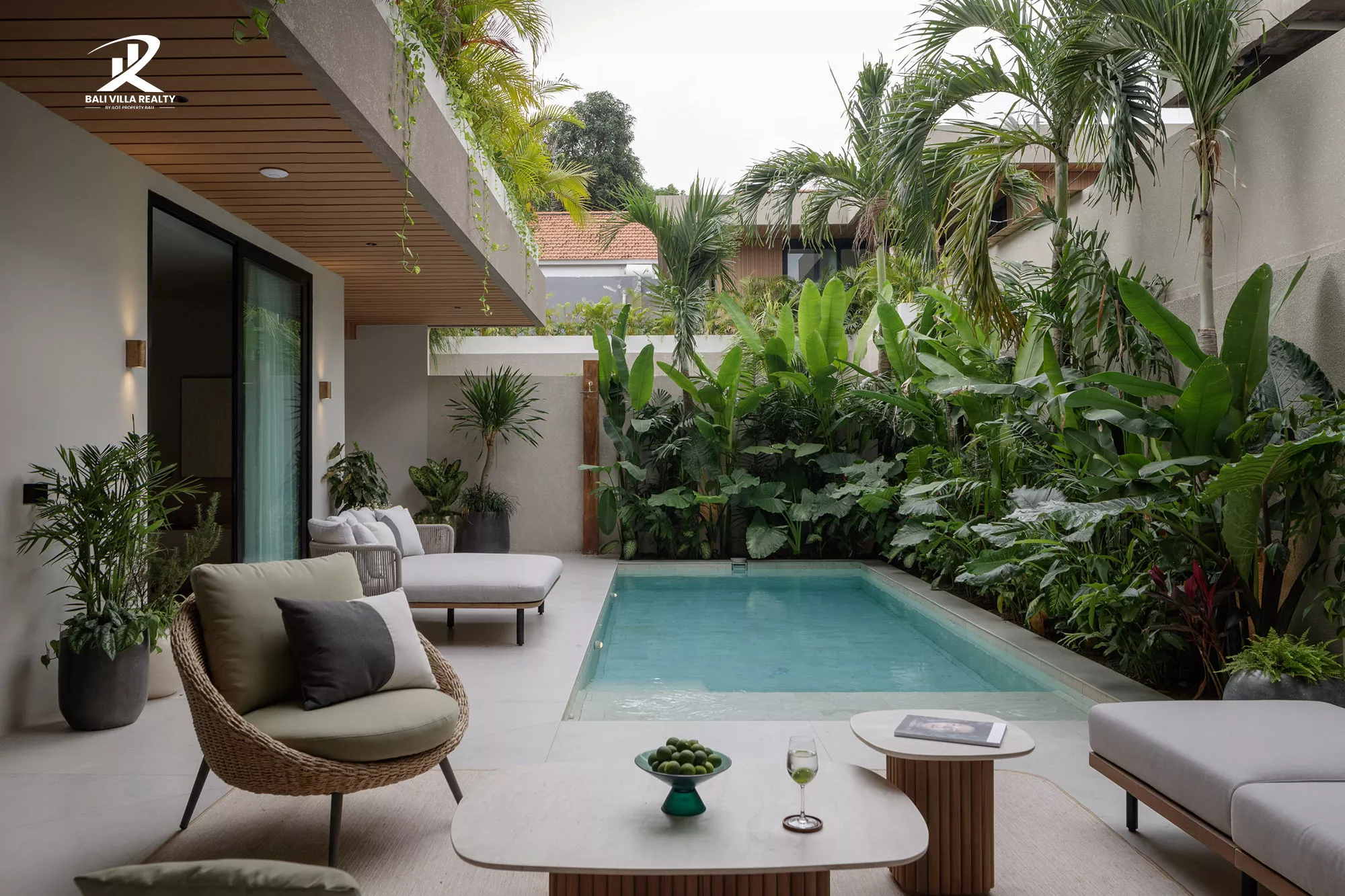
Finding the right home in Bali is just as important as choosing the right school—especially when you’re moving with children. The goal isn’t just a beautiful villa, but a home that supports daily routines, safety, comfort, and long-term living.
At Bali Villa Realty, we work closely with expat families to help them find homes that align with their plans. This allows you to relocate to Bali smoothly and with minimal risk.
Our senior advisors are happy to recommend family-friendly villas, assist with property legal checks, arrange on-site viewings, and guide you through the entire process.
If you’d like a free consultation, book your session here.
Browse Available Bali Villas for Family: Leasehold and Freehold
Conclusion
Bali offers a wide range of international schools—each with different curricula, teaching styles, fee structures, and community environments.
There is no single “best” school for everyone; the right choice depends on your child’s age, learning needs, future education plans, and where your family plans to live.
Beyond schools, finding a family-friendly home that supports daily routines and long-term living is just as crucial.
But don’t worry, you can simplify the process with Bali Villa Realty. Book your free consultation and let our senior advisor help you navigate your move to Bali with ease and confidence.