Key Takeaways
- Bali’s fuel shortage is expected to be temporary. The disruption was caused by delayed fuel deliveries, rough weather, and unusually high demand—not a wider national fuel shortage.
- Short disruptions should have minimal impact on villa ROI, but repeated shortages carry greater risk.
- Investors should maintain contingency funds, secure reliable transport partners, and monitor cancellations, guest feedback, and operating costs.
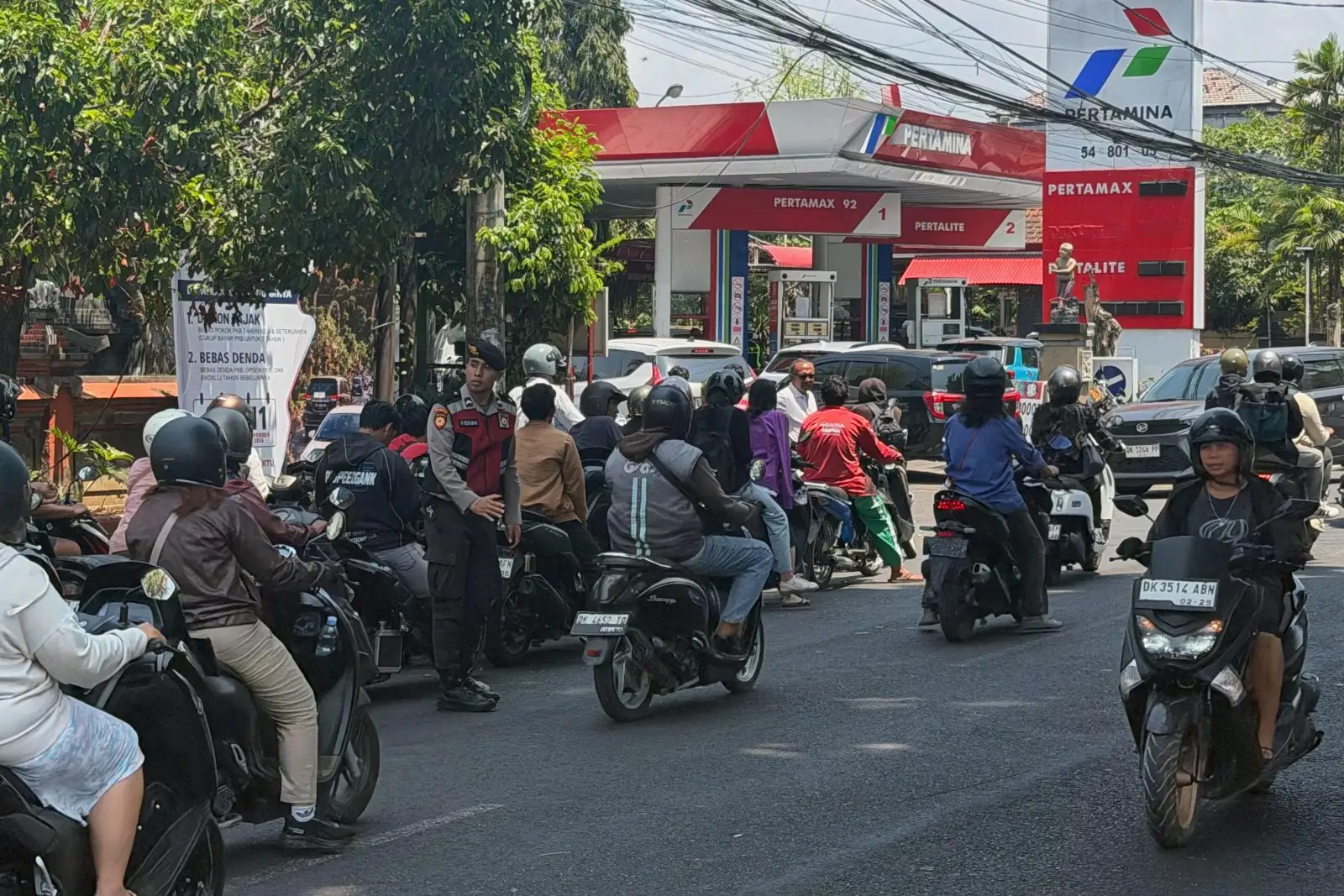
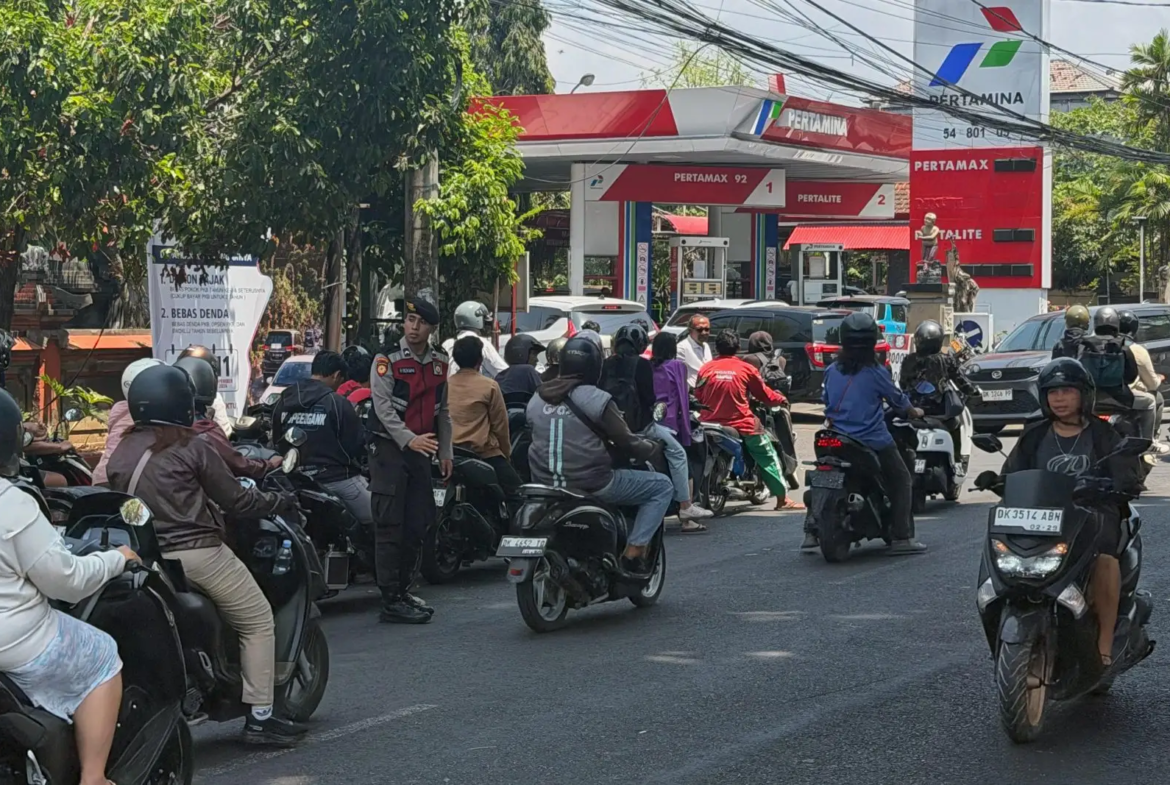
Bali is experiencing a short-term fuel shortage that began on Sunday, 11 October 2026, causing long queues at petrol stations in several parts of the island.
Authorities attribute the issue to distribution disruptions and unusually high demand, rather than a national or global fuel shortage. However, this situation may still affect your villa ROI. Here is what you need to know.
What Causes Bali Fuel Shortage in October 2026?
A technical problem with a fuel tanker triggered the disruption: its anchor malfunctioned while it was preparing to unload, delaying the scheduled delivery to Bali’s main fuel terminals.
Bad weather and rough seas then slowed shipments to the Pesanggaran/Sanggaran terminal in Denpasar and the Manggis terminal in eastern Bali, compounding the delay.
At the same time, demand for subsidized Pertalite rose sharply because its price is much lower than non-subsidized fuel. Pertamina reported Bali’s average Pertalite consumption at about 2,200 kilolitres per day, putting additional pressure on local distribution.
Current Situation in Bali (Updated)
Long queues have formed at fuel stations throughout Denpasar and southern Badung, including Kuta, with some lines exceeding one kilometer.
Impacts have also been reported in Klungkung, Buleleng, and Bangli, with congestion near I Gusti Ngurah Rai International Airport.
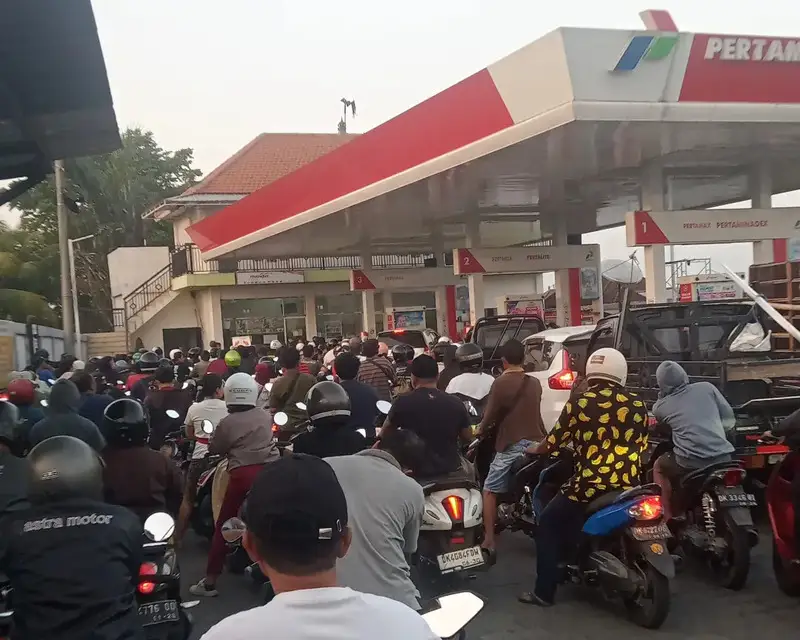
The government and Pertamina have responded by:
- Operating 52 petrol stations in Bali for 24 hours.
- Running round-the-clock deliveries from fuel depots.
- Delivering a tanker with over 22 million liters of fuel, which Governor I Wayan Koster stated should meet up to seven days of demand.
- The government has scheduled additional shipments totaling approximately 57.9 million liters of gasoline through 17 October.
Governor Koster said island-wide fuel stocks remain sufficient and urged residents not to panic-buy, estimating supply will normalize within one to two days.
Read More: Bali Airbnb Ban Canceled, Short-Rental Rules Tightened in 2026
The Effect of Fuel Shortage on Villa Guests and Operations
The immediate risk is not reduced bookings, but a decline in guest experience and operational reliability.
Airport transfers and daily transport may be delayed, as will other transportation-dependent services. Hiring a private driver or renting a scooter will also be less convenient due to long queues and limited fuel availability.
A disruption lasting one or two days is unlikely to significantly affect annual occupancy, but prolonged queues could have a more lasting impact. Recurrent shortages may drive visitors to destinations with more reliable logistics, while villa managers face higher costs for backup fuel, additional drivers, and staff commuting longer distances.
Read More: Is It Safe to Go to Bali Amid Geopolitical Tensions? Travel Safety Guide
How the Fuel Shortage Affects Your Villa ROI
For villa owners, ROI depends on occupancy, nightly rates, and operating costs. A fuel shortage can affect all three, but the impact depends largely on its duration.
Where the pressure comes from
- Occupancy: Canceled or shortened stays reduce sold nights. Short-stay guests and those with tight flight schedules are most likely to alter plans.
- Average daily rate (ADR): Transport issues may result in poor reviews or require discounts and free transfers, reducing your effective rate.
- Operating costs: Expenses for backup fuel, paid airport transfers, additional driver capacity, and staff transport allowances can increase significantly.
- Review scores: Negative guest experiences can reduce bookings for months, as booking platform rankings respond to recent reviews.
Assume a villa priced at USD 400,000 that earns an ADR of USD 150 at 70% occupancy (about 255 nights sold a year, or roughly USD 38,300 in revenue). With USD 15,000 in annual operating costs, net income is about USD 23,300, a yield of roughly 5.8%.
| Scenario | What changes | Estimated net income | Yield on purchase price |
| Baseline | No disruption | ~USD 23,300 | ~5.8% |
| Short disruption (1–2 days) | ~5 nights lost, ~USD 150 extra costs | ~USD 22,400 | ~5.6% |
| Repeated disruption (about a month of problems) | ~20 nights lost, ~USD 600 extra costs | ~USD 19,700 | ~4.9% |
| Structural problem (months of unreliable fuel) | Occupancy down to 63%, ADR down 5%, ~USD 1,200 extra costs | ~USD 16,600 | ~4.1% |
A brief disruption has minimal effect on annual ROI, with an estimated drop of about 0.2 percentage points in this example. The greater risk is repeated occurrences.
If fuel shortages become frequent and guests choose other destinations, yields may decline by more than a full percentage point, with further impact from negative reviews and lower rankings.
What Villa Investors Should Do Now to Protect Guest Experience & ROI
- Communicate proactively with arriving guests. Timely communication is the most cost-effective way to protect future revenue. Send a brief message explaining that fuel supply is being restored, recommend airport transfers, and advise guests to allow extra travel time.
- Stress-test your projections. Model your yield using conservative occupancy and ADR scenarios, not just the best case.
- Budget a contingency reserve. Setting aside funds for fuel, transfers, and staff transport costs is far less expensive than losing bookings.
- Prioritize guest transport. Partner with drivers or transfer companies with confirmed fuel access that can reliably collect guests.
- Protect essential operations. Ensure backup fuel for generators, maintain minimum fuel stock for operational vehicles, and coordinate staff schedules to accommodate traffic disruptions.
- Avoid overpromising. Do not state the crisis is over; instead, inform guests that authorities have increased deliveries and are operating key stations around the clock.
- Track booking behavior. Monitor cancellation reasons, arrival delays, review comments, and transport-related guest inquiries over the next two weeks.
- Prepare a reusable guest notice. A calm, practical message helps protect the guest experience and prevents avoidable complaints.