
Disclaimers: This article is for information only. Actual villa performance and market returns may vary depending on market conditions. We recommend speaking with a senior advisor before making any final decisions.
Key Takeaways
- Realistic net ROI is around 7–10% for Bali villa investments in 2026, depending on location, property type, pricing, and management quality.
- Short-term and long-term rentals can deliver similar net returns, even though short-term rentals usually earn more gross revenue, because their operating costs are also higher.
- Location has a major impact on yield, with areas such as Canggu, Berawa, Uluwatu, and Bingin showing stronger return potential when demand and entry price are well balanced.
- Strong yields depend on execution, especially smart pricing, the right amenities, good management, professional marketing, and controlling operating costs.
Almost every client asks us the same question before investing in a Bali villa: “How much return on investment (ROI) can I realistically expect?”
Based on our experience and observations from managing villa rentals, a realistic net ROI in Bali in 2026 is around 7–10%, depending on the property, location, and management strategy.
That leads to an important question: how can you position your villa to achieve that level of return?
Let’s break down the key factors that can influence your ROI.
What is a Good Bali Villa Rental Yield in 2026?
Based on our experience managing villa rentals, a realistic net yield for Bali property investments is typically around 7–10%. In many cases, the difference between gross and net yield can be around 5–8 percentage points once operating costs and taxes are taken into account.
One thing to watch for: the ROI figures you often see online are usually gross yields—annual rental income divided by the purchase price before expenses are deducted. For a more realistic picture of investment performance, you should focus on net yield instead.
If you’re unsure how these metrics differ, see our breakdown of ROI vs rental yield to understand what each one measures and when to use it when evaluating a Bali property.
See what your investment could return. Try our free Bali Villa ROI calculator
How Do Bali Rental Yields Compare with Other Property Markets?
Bali can offer higher rental yields than many established Western property markets. Net yields are often quoted around 7–11%, compared with roughly 3–4% in London, 2.5–3.5% in Sydney, and 3–5% in New York.
In prime Bali locations, capital appreciation can further increase total returns, although both rental performance and property value growth vary by area and market cycle.

Long-Term Bali Villa Rentals (Monthly): Avg. 7-11% Net Yield
Long-term rentals in Bali can generate roughly 7–11% net returns, depending on the property, location, rental rate, and operating structure. Compared with short-term rentals, this model usually accepts lower top-line revenue in exchange for more stable occupancy, fewer turnovers, and lower running costs.
For furnished two-bedroom villas in established rental areas, monthly rents can vary widely, but a reasonable working range is around $1,700–$2,800 per month.
Occupancy is generally more predictable because tenants stay for months rather than days, while management costs can be lower due to fewer cleanings, reduced platform fees, and simpler day-to-day operations.
Case Study
For a $220,000 property rented at $2,600 per month for 11 months:
| Item | Amount |
|---|---|
| Annual gross revenue | $28,600 |
| Operating costs (22% of gross) | −$6,292 |
| Rental income tax (10% of gross) | −$2,860 |
| Net profit | $19,448 |
| Net yield | 8.8% |
Short-Term Bali Villa Rentals: Avg. 5-9% Net Yield
For short-term villa rentals in Bali in 2026, a reasonable net yield benchmark is around 5–9% annually after accounting for management fees, booking platform commissions, taxes, utilities, maintenance, and vacancy periods.
Properties in strong rental markets such as Canggu, Berawa, and Uluwatu can potentially reach around 8–12% net yield when professionally managed and well positioned. Meanwhile, villas in weaker locations or with inefficient management may generate closer to 4–6% net.
Case Study
For a $220,000 villa rented short-term at an average $150 per night with 65% annual occupancy:
| Item | Amount |
|---|---|
| Occupied nights per year | ~237 nights |
| Annual gross revenue | $35,550 |
| Operating & management costs (35% of gross) | −$12,443 |
| Rental income tax (10% of gross) | −$3,555 |
| Net profit | $19,552 |
| Net yield | 8.9% |
Why are the net yields from long-term and short-term rentals similar? While short-term rentals usually generate higher gross revenue, long-term rentals can produce similar or even higher net profits once commissions, management fees, cleaning, utilities, taxes, maintenance, and vacancy costs are factored in.
Get Your Free Bali Villa ROI Report
Learn real case study data and insights to help you maximize your investment returns in Bali.

Bali Villa Net Yields by Location (2026)
Location can have a major impact on rental yield because returns depend on the relationship between the property’s purchase price and the rental income it can realistically generate. Here's the detailed breakdown:
| Area | STR Net Yield | LTR Net Yield | Entry Price (2BR) | Avg. Occupancy | Unique Selling Points |
|---|---|---|---|---|---|
| Canggu / Berawa | 10–12% | 9–11% | $200K–$400K | 70–80% | Strong tourist demand, cafés, surf, beaches, digital nomad hub |
| Seminyak | 8–11% | 8–10% | $300K–$500K | 70–80% | Established premium area, high tourist traffic, strong rental demand |
| Uluwatu / Bingin | 10–12% | 8–10% | $280K–$500K | 65–75% | Luxury market, surf tourism, high nightly rates, strong growth potential |
| Pererenan / Seseh | 9–12% | 8–10% | $200K–$350K | 42–48% | Quieter alternative to Canggu, growing long-stay demand, emerging market |
| Ubud | 8–10% | 7–9% | $180K–$350K | 60–70% | Wellness, culture, retreats, long-stay travelers |
| Sanur | 8–10% | 6–9% | $200K–$350K | 37–52% | Family-friendly, stable long-term demand, less seasonal volatility |
Here’s another important point to consider: areas with lower entry prices but strong rental demand, such as Pererenan or emerging parts of Canggu, can sometimes deliver higher percentage returns than more expensive premium locations, even when their total rental revenue is lower.
For example, a villa earning USD 40,000 in annual net income on a USD 400,000 investment produces a 10% yield, while a premium villa earning USD 55,000 on a USD 750,000 investment generates only 7.3%.
However, lower-cost emerging areas may carry additional risks, including:
- Infrastructure limitations
- Changing zoning regulations
- Weaker resale liquidity, and
- Greater competition as new villas enter the market
Therefore, investors should evaluate both the projected rental income and the total acquisition cost, while also considering long-term location quality and capital-growth potential.
Factors Affecting Your Bali Rental Net Yield
- Operating costs (around 30–40%): You’ll need to account for ongoing expenses such as staff salaries, pool and garden maintenance, utilities, management fees, and general upkeep.
- Location: Being close to the beach, cafés, restaurants, nightlife, gyms, and coworking spaces has a direct impact on how much your property can earn.
- Property type: Villas generally perform better than apartments or standard houses because they attract higher nightly rates and stronger demand.
- Pricing strategy: Using dynamic pricing—especially during peak travel seasons—can significantly boost your annual rental income.
Loan repayments (your mortgage and interest payments) aren’t included here because net rental yield focuses only on costs tied directly to the property, not your personal financing.
Strategies to Maximize Your Bali Villa Rental Yield
1. Understand the Market

Bali’s property market keeps evolving, and to stay ahead, you need to know what renters and guests are looking for. From our latest Bali real estate trend report, people are now looking for:
- Eco-Friendly Villas: Growing demand for sustainable properties with energy-efficient features, natural materials, and environmentally conscious designs.
- Emerging Areas: Investors are increasingly exploring developing locations with lower entry prices and potential for future growth.
- The Rise of Remote Workers: Digital nomads and remote workers continue to drive long-term rental demand, especially for properties with comfortable workspaces and reliable high-speed internet.
2. Choose Your Location Wisely
Even if your villa has everything guests want, the wrong location can hurt your bookings and income:
- Short-Term Rentals: Best for tourists who want quick access to attractions. Focus on Canggu, Seminyak, or Uluwatu, where demand is high and rental rates are stronger.
- Long-Term Rentals: Best for expats, digital nomads, or families. Consider Sanur, Ubud, Umalas, or Tabanan (Nyanyi, Kedungu, etc.), where comfort and affordability matter most.
Once you understand your target audience, choosing the right location becomes easier. Combine this with the right amenities and pricing, and you’ll be set for strong yields.
3. Price Strategically
Understanding how to set a smart pricing strategy is one of the best ways to maximize your rental income. One of our clients has used a simple tactic that worked well: pretend you’re a potential tenant. Contact similar properties in your rental area, compare their rates, and set your price slightly below the market when appropriate.
You can also use local listing platforms like Bali Villa Realty or Airbnb to compare properties with similar sizes, layouts, locations, and features.
At the same time, stay flexible:
- If bookings come in quickly, consider increasing your rate.
- If demand slows, adjust your pricing or add incentives such as discounts, free breakfast, or airport pickup.
4. Invest in Amenities Guests Love
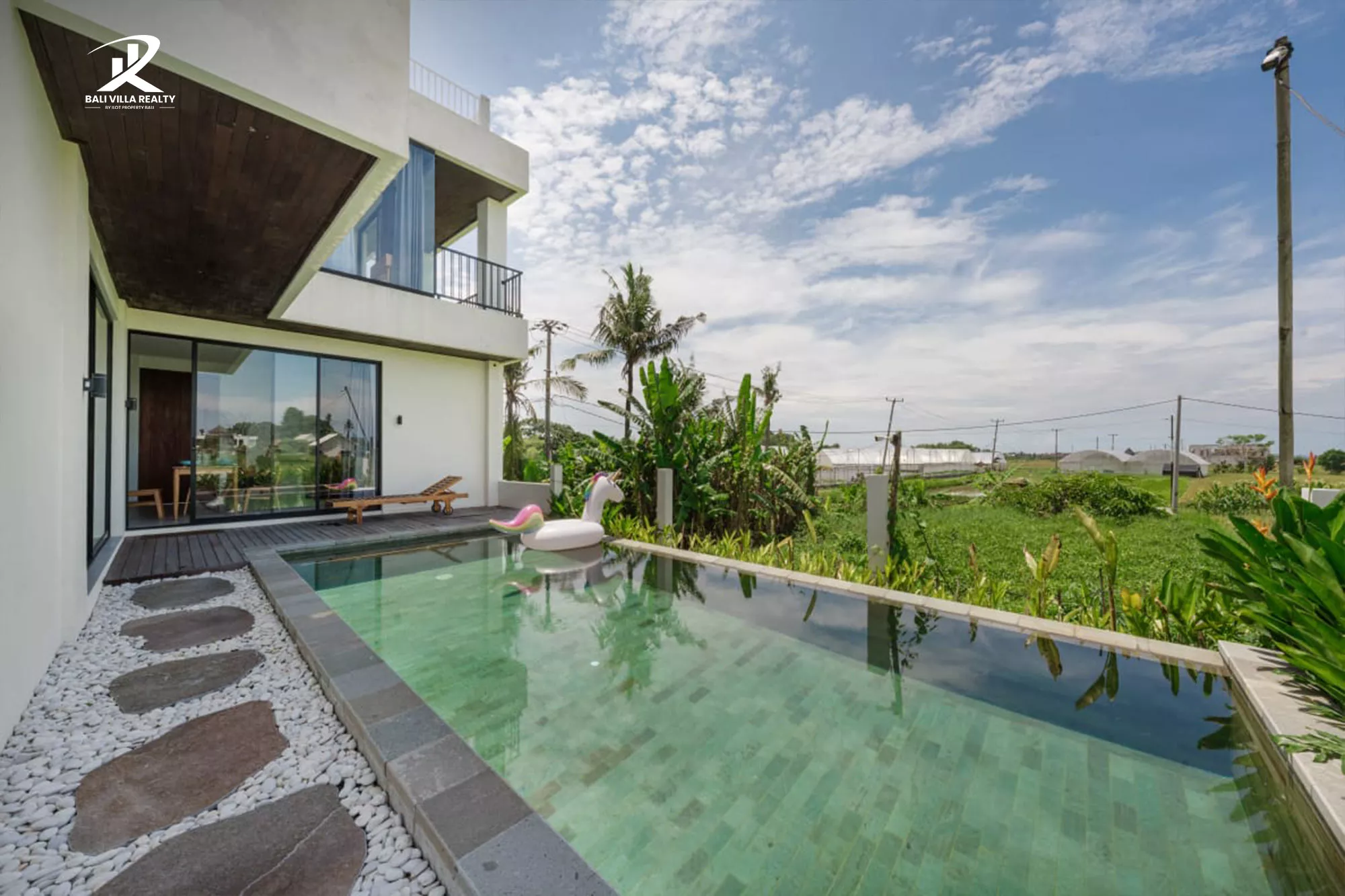
Guests don’t always need luxury. They want convenience, comfort, and thoughtful villa amenities that show you’ve anticipated their needs instead.
Imagine this: a guest arrives late at night, tired from their journey. They open the fridge and find a filter pitcher with fresh water, snacks, and a small note welcoming them to Bali. These small gestures can make guests happy and encourage them to leave a good review for your property.
They might even be genuinely impressed, become repeat visitors, and recommend your villa to people they know.
5. Leverage Unique Selling Points
Bali is full of beautiful villas. To stand out, highlight what makes yours different. Ask yourself:
- Is your property close to a hidden beach or a lively nightlife area?
- Does your villa feature Balinese craftsmanship, or does it lean toward a sleek modern design?
- Do you offer unique amenities such as an infinity pool, an outdoor shower, or even cooking classes with a local chef?
Once you’ve identified what makes your property special, show it off. Use your listing descriptions and photos to tell a story about your villa’s uniqueness.
For example, instead of simply saying “Great location,” describe what it feels like to stay in your villa: "Wake up just steps from Bali’s best surf spots and unwind at nearby organic cafés.”
Make it effortless for guests to imagine themselves there, enjoying something only your property can offer. That’s how your villa becomes the place they want to stay.
6. Optimize Your Listing with High-Quality Photos
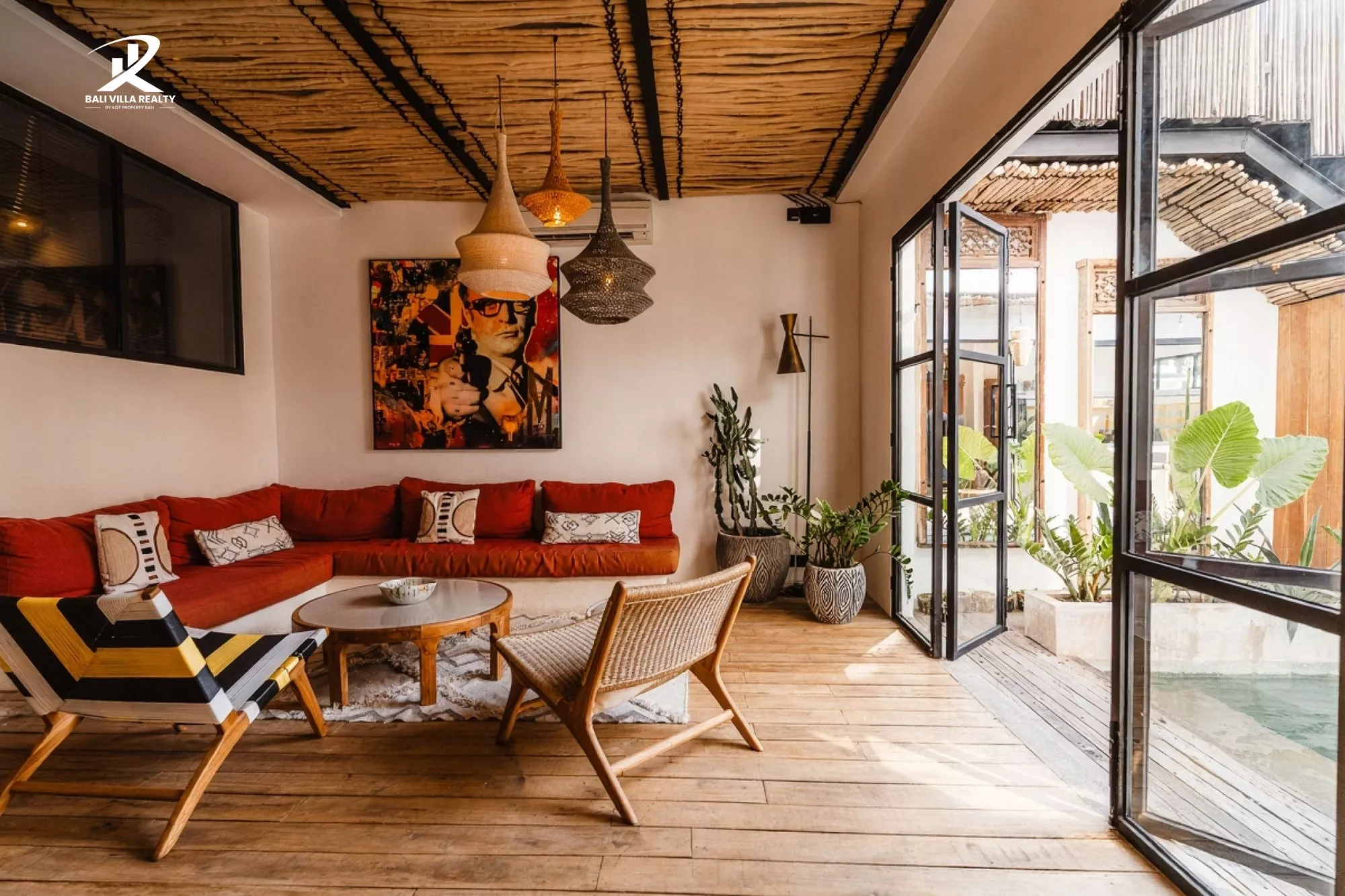
Discussion in Airbnb’s community forums suggests that photos are among the top three factors guests consider when choosing a place to stay. Guests don’t just look at the images—they imagine themselves waking up in the villa, relaxing by the pool, and enjoying the overall experience.
According to the same source, listings with professional photos received 28% more bookings, 26% higher nightly rates, and 40% higher overall earnings. Great visuals don’t just showcase a room; they help sell the full experience.
Challenges to Maintain a Strong Rental Yield
Almost every villa investor faces similar challenges when trying to maximize their rental returns:
- High Operating Costs: Running a villa can be expensive, so choosing the right design, layout, and build quality from the start can help reduce long-term maintenance and renovation costs.
- Seasonality: Rental income can fluctuate between high and low seasons, making location, property type, and year-round demand important considerations.
- Dependency on Good Management: Rental performance depends heavily on effective property management, from pricing and maintenance to guest experience and occupancy.
- Legal and Permit Issues: Incomplete documents, incorrect zoning, unclear titles, or invalid permits can affect both rental operations and investment returns.
- Price and Yield Compression: As property prices rise, rental yields can become tighter, so accurate market valuation and realistic return projections are essential.
Conclusion
A healthy net rental yield in Bali today typically falls around 7–10%, although the actual figure depends on your villa’s location, property type, management, and market conditions. You can estimate both gross and net rental yield using our free online ROI calculator.
Want to see how your villa could perform against that benchmark? Get a personalized strategy from Bali Villa Realty by iLot. Contact us anytime—free, with no strings attached.
FAQ
Full-service villa management typically costs around 15–20% of gross revenue, while booking-platform commissions may add another 3–15%. When staff, utilities, maintenance, supplies, and other expenses are included, total operating costs can reach around 45–50% of gross revenue for short-term rentals and 20–30% for long-term rentals.
Short-term rentals usually generate higher gross revenue, but they also come with higher operating costs.
Long-term rentals earn less gross income but are generally cheaper and easier to operate, which can produce similar 7–11% net yields.
Short-term rentals tend to perform best with strong occupancy and professional management, while long-term rentals offer more predictable cash flow and lower management demands.
Rental income in Indonesia may be subject to different tax treatment depending on your residency status and legal structure. Under the figures commonly cited, properly structured resident or corporate arrangements may face around 10% tax on gross rental income, while non-resident foreigners can face withholding of up to 20%, potentially subject to applicable tax treaties.
Professionally managed Bali rentals can achieve around 65–78% annual occupancy, although performance varies significantly by location, property quality, pricing, and season. Peak periods can reach 80–95% occupancy, while slower months may fall to around 40–55%.
Self-managed properties often perform below professionally managed listings if pricing, marketing, and guest operations are less optimized.