
Disclaimer: Visa rules, immigration policies, and tax treatment can change. Always verify current requirements through the official Indonesian immigration website before traveling.
Key Takeaways
- Bali remains a strong base for digital nomads, with coworking spaces, cafés, international communities, and accommodation options across popular areas such as Canggu, Pererenan, Ubud, Sanur, Uluwatu, and Seminyak.
- Budget around IDR 25–40 million per month for a comfortable solo lifestyle, depending largely on accommodation, dining, transport, and leisure choices.
- The E33G Remote Worker Visa allows eligible remote workers to stay for up to one year while working for an overseas company, subject to immigration requirements.
- Plan for Bali’s practical challenges, including traffic, rainy-season disruptions, construction noise, rising costs in popular areas, time-zone differences, and adapting to local customs.
Living in Bali as a digital nomad gives you a good mix of tropical scenery and a lively international community. There are plenty of coworking spaces, coliving options, and different ways to live here.
Bali is more than just an affordable vacation place. Everyday things like traffic, visa requirements, and adjusting to the local culture can really affect your stay. This guide will help digital nomads know what to expect before coming to Bali.
Is Bali Good for Digital Nomads?
Yes. Bali remains popular with people who work remotely for companies or clients outside Indonesia. The island offers:
- A large international community.
- Many cafés and coworking spaces.
- Accommodation for different budgets.
- Warm weather and outdoor activities.
- International restaurants and wellness services.
- Established communities for entrepreneurs, freelancers and remote workers.
- Good mobile internet and fiber connections in many popular areas.
Living in Bali works best if you have a steady income from abroad and flexible hours. If you need to meet clients often, make video calls, or need a quiet workspace, be sure to pick your accommodation and internet plan carefully.
Internet quality can be very different depending on where you stay. Coworking spaces and newer villas usually have better connections than budget hotels or places in rural areas. Some coworking and coliving spots in Bali offer speeds over 80 Mbps, but basic places may have much slower internet.
Read More: Best Bali SIM Card for Foreign Travelers: Price, Coverage, Speed (2026)
Bali Digital Nomad Visa Requirements: The E33G Remote Worker Visa
For eligible remote workers, Indonesia’s E33G visa is the most relevant long-stay option. According to Indonesia’s official immigration information, it allows the holder to stay for up to one year and carry out assignments for an overseas company. The published government fee is IDR 7,000,000 for one year.
The official eVisa requirements include:
- A passport valid for at least six months.
- A recent photograph.
- A curriculum vitae.
- A travel itinerary.
- A personal bank statement showing at least USD 2,000 during the previous three months.
- Evidence of annual income of at least USD 60,000.
- An employment contract with a company established outside Indonesia.
The visa is designed for work connected to an overseas company. It does not authorise you to sell goods or services to Indonesian individuals or companies, or receive wages from an Indonesian source.
Cost of Living in Bali as a Digital Nomad
A comfortable solo digital nomad lifestyle in Bali usually costs about IDR 25–40 million per month, not counting flights or big trips:
| Expense | Practical monthly range | Notes |
| Accommodation | IDR 7–18 million | Private room, coliving space or modest one-bedroom villa |
| Food and groceries | IDR 4–9 million | Lower with local food; higher with imported products |
| Scooter and fuel | Around IDR 1.7 million | Includes an estimated rental and petrol budget |
| Coworking | IDR 1–2 million | Optional, depending on membership and day passes |
| SIM card and internet | IDR 500,000–900,000 | Depends on mobile data and home connection |
| Health insurance | IDR 900,000–1.8 million | Varies by provider, age and coverage |
| Leisure and activities | IDR 2–6 million | Fitness, cafés, excursions and entertainment |
| Estimated total | IDR 25–40 million | Comfortable solo lifestyle |
You can spend less if you stay in local places and eat at warungs, or much more if you rent a luxury villa and go out often.
Remember, your real budget in Bali depends on where you live, the type of place you rent, and how often you eat at international restaurants, visit beach clubs, or use private transport.
Best Places in Bali for Digital Nomads
Not every part of Bali is ideal for digital nomads. Most remote workers gather in places like Canggu, Pererenan, Ubud, Sanur, Uluwatu, and Seminyak. Each area has its own atmosphere and special spots for working online.
You can look at our detailed recommendations for where to stay as a digital nomad, including the best sub-areas, top coworking spaces in each location, and the pros and cons of living in each spot.
Housing Options for Digital Nomads in Bali

1. Coliving
Coliving is often the easiest way to start your first stay. It usually comes with a furnished room, Wi-Fi, cleaning, and shared spaces. Some places also have coworking areas and community events. It’s a good choice for your first month or two, since you can try out different areas before renting a villa.
2. Private Room or Apartment
A private room in a guesthouse or apartment can be a better deal than renting a whole villa. It’s often a good fit for solo workers who want privacy but don’t need a pool or garden.
Each apartment can have different amenities. Before you book, always check the Wi-Fi speed and backup, electricity costs, noise levels, deposit, cancellation policy, and what services and costs are included.
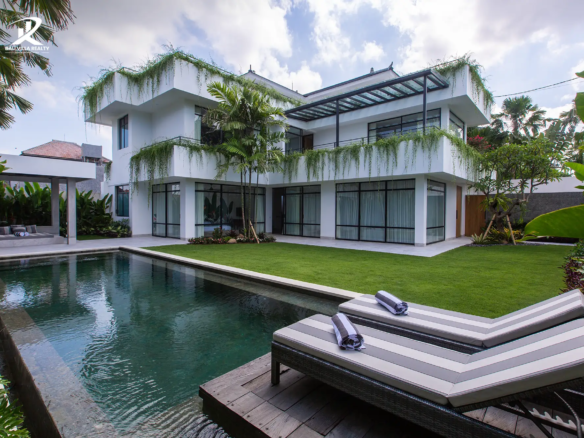
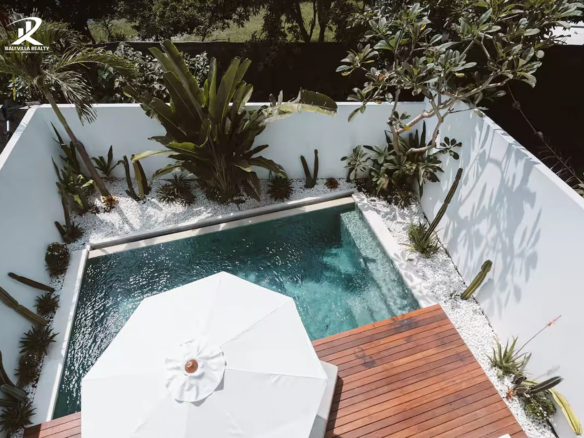
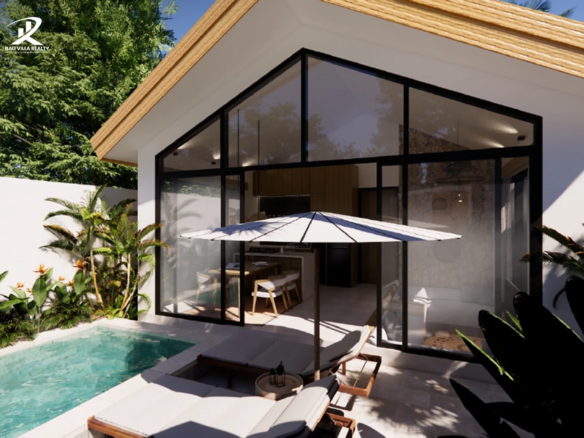
3. Villa Rental
Once you feel comfortable in an area, you can move to a private villa. Many nomads choose monthly rentals because they offer more space and privacy.
Just like with apartments, make sure you know what’s included in your villa rental and what isn’t. Some villas don’t offer management or maintenance, so you may need to handle some things yourself.
P.S. Want to see some villas for rent in Bali? Check out our listings here.
Transportation and Daily Mobility
Bali doesn’t have a public transport system that works well for most remote workers. Many locals and some expats use scooters. If you’re not a confident driver, it’s best to use ride-hailing services like Gojek, Grab, or Maxim.
Another option is to stay in a central area close to shops, entertainment, gyms, coworking spaces, and healthcare. This way, you can walk to most places you need in a compact neighborhood.
Read More: Can You Drive a Scooter in Bali with a Car License?
Challenges to Consider Staying in Bali
- Time zone differences: Bali is on Central Indonesia Time, or WITA, which is UTC+8. Workers serving Europe, North America or Australia may need early mornings, late evenings or split schedules.
- Traffic and development: Traffic can be severe in popular areas, especially around Canggu, Berawa, Seminyak and major tourist roads. New construction can also affect noise levels, road conditions, and neighborhood character.
- Seasonal weather: Bali rainy season, with humidity and storms, may affect travel, power, and internet reliability. Keep mobile data as a backup and choose accommodation with a generator or alternative connection if your work is time-sensitive.
- Rising costs: Bali can be affordable, but imported food, premium rentals, beach clubs, and international services can quickly increase your monthly expenses.
- Cultural adjustment: Foreign residents should respect local customs, religious ceremonies, dress expectations, and community rules.
Conclusion
That’s an overview of living in Bali as a digital nomad, covering guides, costs, locations, visas, and challenges. Once you know your preferred area, commute, work schedule, and monthly budget, you can make your long-term plans with confidence.
Need help finding the right place to stay or have questions? Feel free to ask us anytime—no commitment needed.
FAQ
No. A tourist or visitor visa should not be treated as a remote-work visa. Indonesia’s official visitor visa information states that visitors must remain in Indonesia for visit purposes and may not work in an employment relationship.