
Disclaimer: This article reflects information available as of 8 September 2026. Volcanic activity, wildfire conditions, and flight operations can change quickly. Always check official sources before travelling.
Key Takeaways
| Hazard | Location | Approx. Distance from Bali | Current Impact on Bali |
|---|---|---|---|
| Anak Krakatau Eruption | Sunda Strait, between Java and Sumatra | Around 1,100 km (680 miles) west of Bali | No direct ground-level impact reported in Bali. However, flights to and from Bali have experienced cancellations and schedule changes due to volcanic ash affecting aviation elsewhere in Indonesia. |
| Forest and Land Fires | Mainly Sumatra and Kalimantan | More than 1,000 km from Bali | No major wildfire threat to Bali's main tourist areas has been reported. Current wildfire smoke is primarily affecting parts of Sumatra and Kalimantan. |
If you've been following the news lately, you may have seen some alarming headlines coming out of Indonesia. Anak Krakatau has erupted, disrupting thousands of flights due to volcanic ash, while forest and land fires are also affecting several parts of the country.
You may be wondering whether it's still safe to visit Bali right now. The short answer is yes. Bali itself remains safe and unaffected by these issues. However, there have been some flight disruptions for both arrivals and departures from Bali.
Here's what you need to know before you travel.
What Happened at Anak Krakatau?
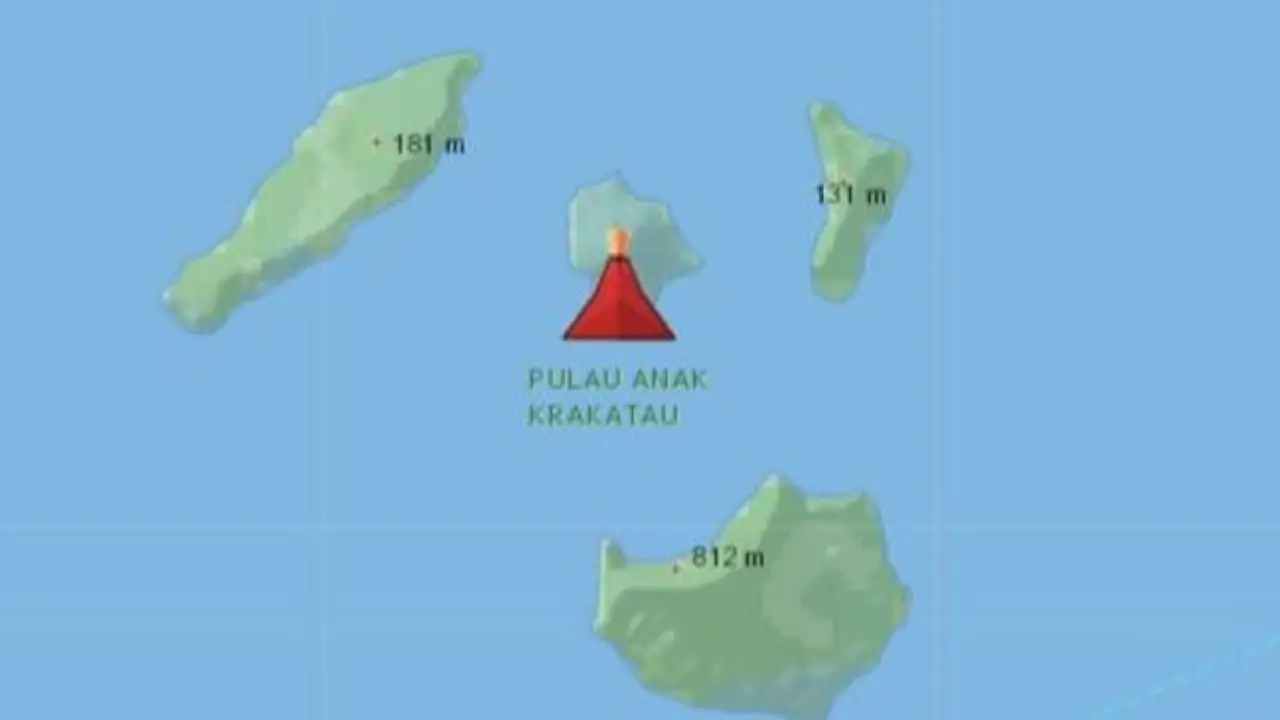
Anak Krakatau, located in the Sunda Strait between Java and Sumatra, entered a period of increased volcanic activity beginning on 4 September 2026. The eruption sent volcanic ash high into the atmosphere and across parts of western Indonesia. Some ash clouds reached altitudes of up to 50,000 feet, creating a serious hazard for aircraft.
The effects have been particularly noticeable around Banten, Jakarta, Lampung, and surrounding areas. Volcanic ash forced several airports to temporarily suspend operations and led airlines to cancel or reschedule thousands of flights, including some flights to and from Bali.
The volcano remains under close monitoring by Indonesian authorities, and further activity is still possible.
Read More: Is It Safe to Go to Bali Amid Geopolitical Tensions? Travel Safety Guide
How Far Is Anak Krakatau From Bali?
Anak Krakatau is located roughly 1,100 kilometres (around 680 miles) west of Bali, in the Sunda Strait between Java and Sumatra. The distance means Bali has not been directly affected by the eruption, while western parts of Indonesia, including parts of Java, have experienced more significant effects.
However, Anak Krakatau is not the only active volcano in Indonesia. Several other Indonesian volcanoes have also recorded activity recently, including:
- Mount Semeru in East Java, roughly 300 km from Denpasar
- Mount Merapi in Central Java, roughly 500 km away
- Lewotobi Laki-laki in Flores, roughly 800 km east of Bali
- Ili Lewotolok on Lembata, roughly 900 km east
- Mount Ibu in North Maluku, roughly 1,700 km away
- Mount Sinabung in North Sumatra, roughly 1,900 km away
Volcanic activity is relatively common across Indonesia because the country sits along the Pacific Ring of Fire. Still, an eruption elsewhere in the archipelago does not automatically mean Bali is unsafe. It depends largely on the location and scale of the eruption.
Do the Wildfires in Sumatra and Kalimantan Affect Bali?
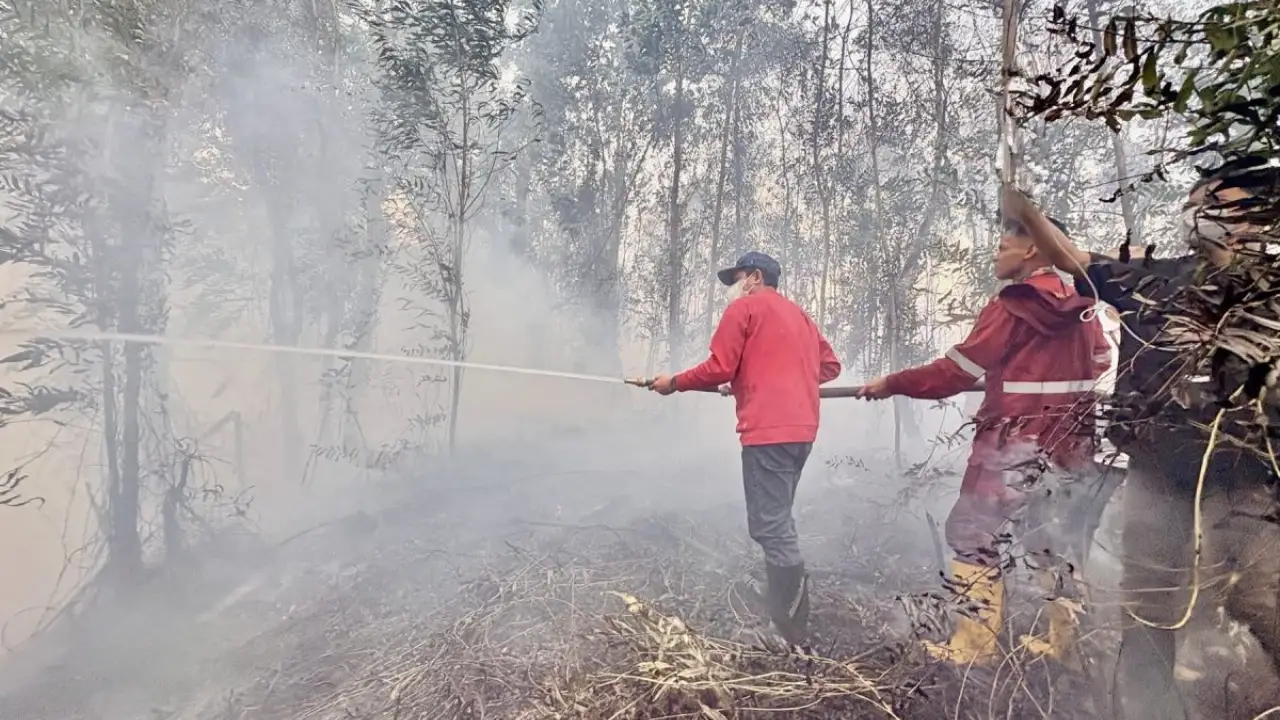
Indonesia is also experiencing forest and land fires during the current dry season. As of 7 September, BMKG satellite monitoring detected smoke across several provinces in Sumatra and Kalimantan, including Riau, Jambi, South Sumatra, Lampung, West Kalimantan, Central Kalimantan, and East Kalimantan. Bali was not among the areas identified in this wildfire smoke monitoring.
There was a separate residential fire around Jalan Nakula and Sunset Road in Bali at around the same time. However, this was a local fire incident, and the fire was brought under control. It also did not affect the island's main tourist areas.
How Is the Anak Krakatau Eruption Affecting Bali Flights?
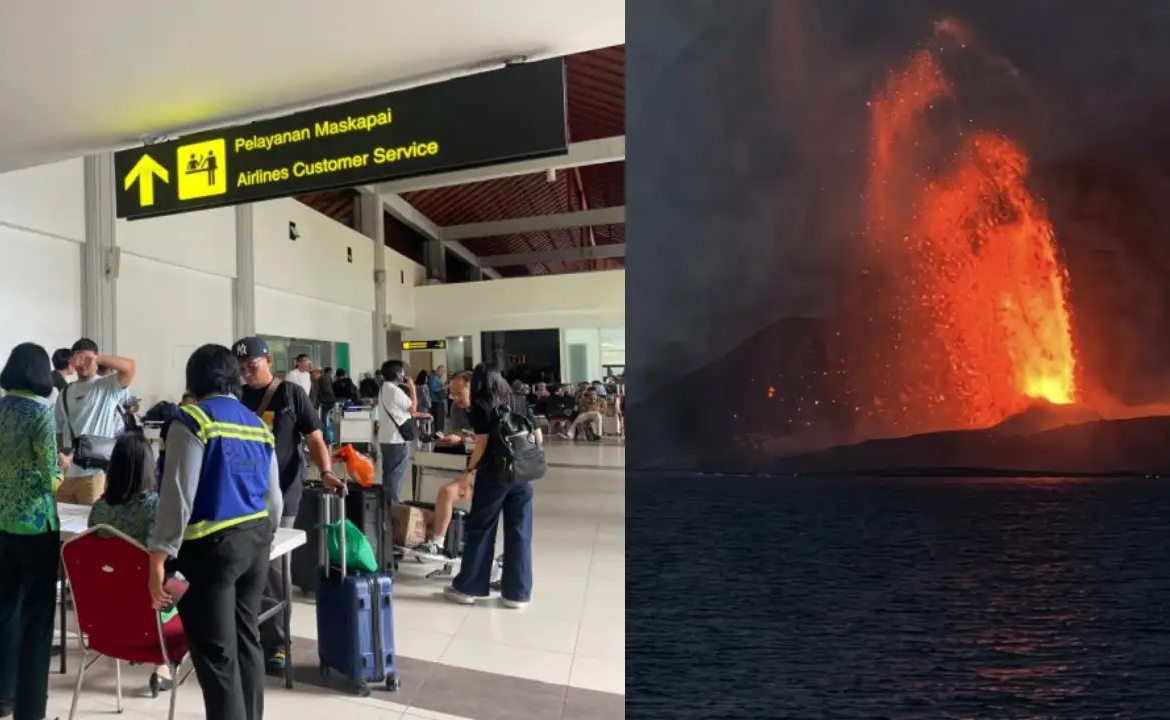
Bali's I Gusti Ngurah Rai International Airport has remained operational, but a number of flights have been cancelled or rescheduled because of the wider volcanic ash disruption.
This includes services connecting Bali with affected airports elsewhere in Indonesia. Jakarta's Soekarno-Hatta International Airport has experienced much more serious disruption and was temporarily forced to suspend operations.
This means your Bali holiday may still be affected even when conditions on the island itself are normal, especially if you have a connecting flight through Jakarta to Bali.
Bali Airport authorities have advised passengers to regularly confirm their flight status directly with their airline before travelling to the airport.
What Should You Do Before Traveling to Bali?
If you're planning to visit Bali this month, there's no need to cancel your trip out of concern about natural disasters. The air quality in Bali right now is generally still suitable for outdoor activities. The island has also seen some recent rainfall, which has helped make the air feel fresher.
However, if you're visiting Bali in September, a few precautions can make your trip much easier:
- Check your flight regularly. Confirm your flight status directly with your airline, particularly if you're travelling through Jakarta or another Indonesian airport affected by volcanic ash.
- Allow extra time for connections. Avoid tight domestic or international connections while the situation remains unpredictable.
- Review your travel insurance. Check whether your policy covers volcanic eruptions, natural disasters, flight cancellations and additional accommodation costs. Coverage varies significantly between insurers, so don't assume every policy includes volcanic disruption.
- Follow official information. Use updates from BMKG, BNPB, PVMBG/MAGMA Indonesia, airport authorities and your airline rather than relying only on social media posts or headlines.
- Stay flexible. Volcanic ash can move in different directions depending on wind conditions, so a flight operating normally today may still be affected later.
Conclusion
Bali remains open and there is currently no indication that visitors need to avoid the island because of the Anak Krakatau eruption or the major forest fires in Kalimantan. Indonesia is an enormous archipelago spanning thousands of kilometres, and conditions can vary significantly from one island to another.
So if you're planning to visit Bali soon, remember to keep your plans flexible, monitor your flight closely, and rely on official updates as conditions develop.