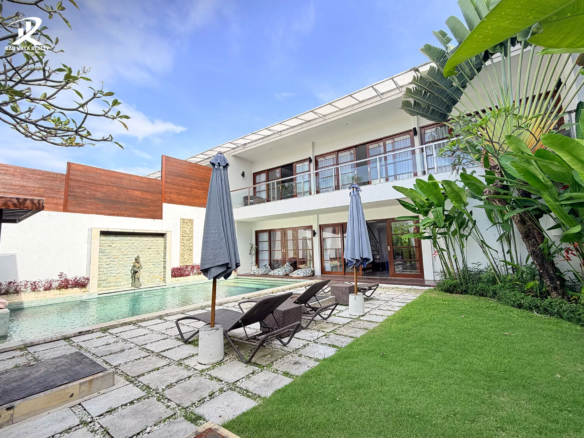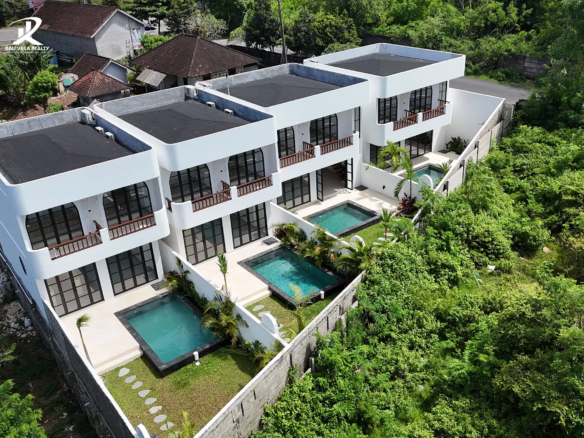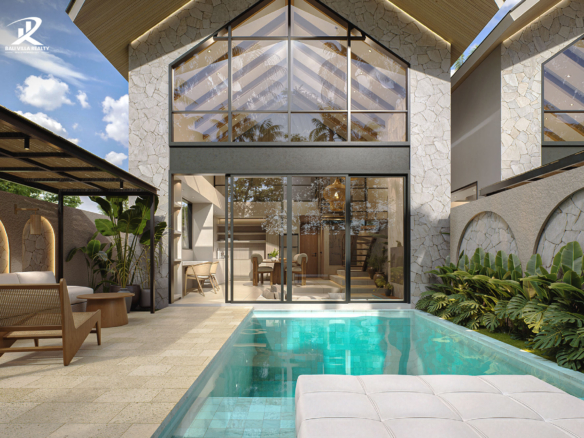

Key Takeaways
- Off-plan properties offer lower entry prices, typically 10–30% below completed villas, with potential capital gains during construction.
- Investors can earn from two sides: early price appreciation before completion and steady rental income once operational (often 7–12% net ROI).
- Developer track record and contract structure are critical in off-plan investment. Payments should always be tied to real construction progress.
- Top locations like Canggu and Uluwatu drive demand for off-plan, but micro-location risks and future developments must be carefully assessed.
- Foreigners can legally buy off-plan in Bali, mainly through leasehold or PT PMA structures, as long as zoning, permits, and agreements are properly verified.
If you’re looking for a cost-effective and customizable way to enter Bali’s property market, buying an off-plan property might be the perfect choice.
It’s a smart option for investors who want to minimize risks while maximizing profitability and creating a steady income stream.
But how does this approach work, and why is it worth considering?
Let’s explore how off-plan property purchases can help you achieve your investment goals.

What is Off-Plan Property?
An off-plan property is one that you buy before it’s built, or sometimes while it’s still under construction.
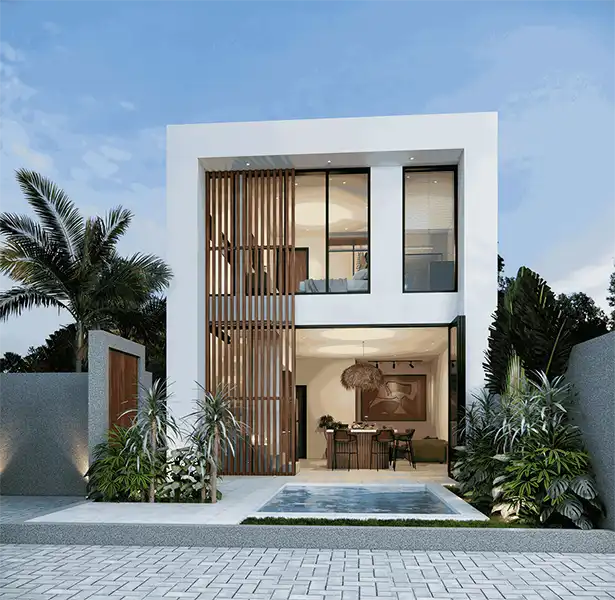
Essentially, you’re investing in a project during its planning or building stages, based on architectural plans, renderings, and a developer’s promise of what it will become.
Many investors choose off-plan properties to secure early-bird or pre-launch pricing, allowing for higher profit potential.
Others prefer this type of investment because it offers flexibility to adjust the property’s final design to match their preferences.
Explore Off-Plan Villas in Bali (2026 Early-Bird Pricing)
Is Buying Off-Plan Property in Bali a Good Investment?
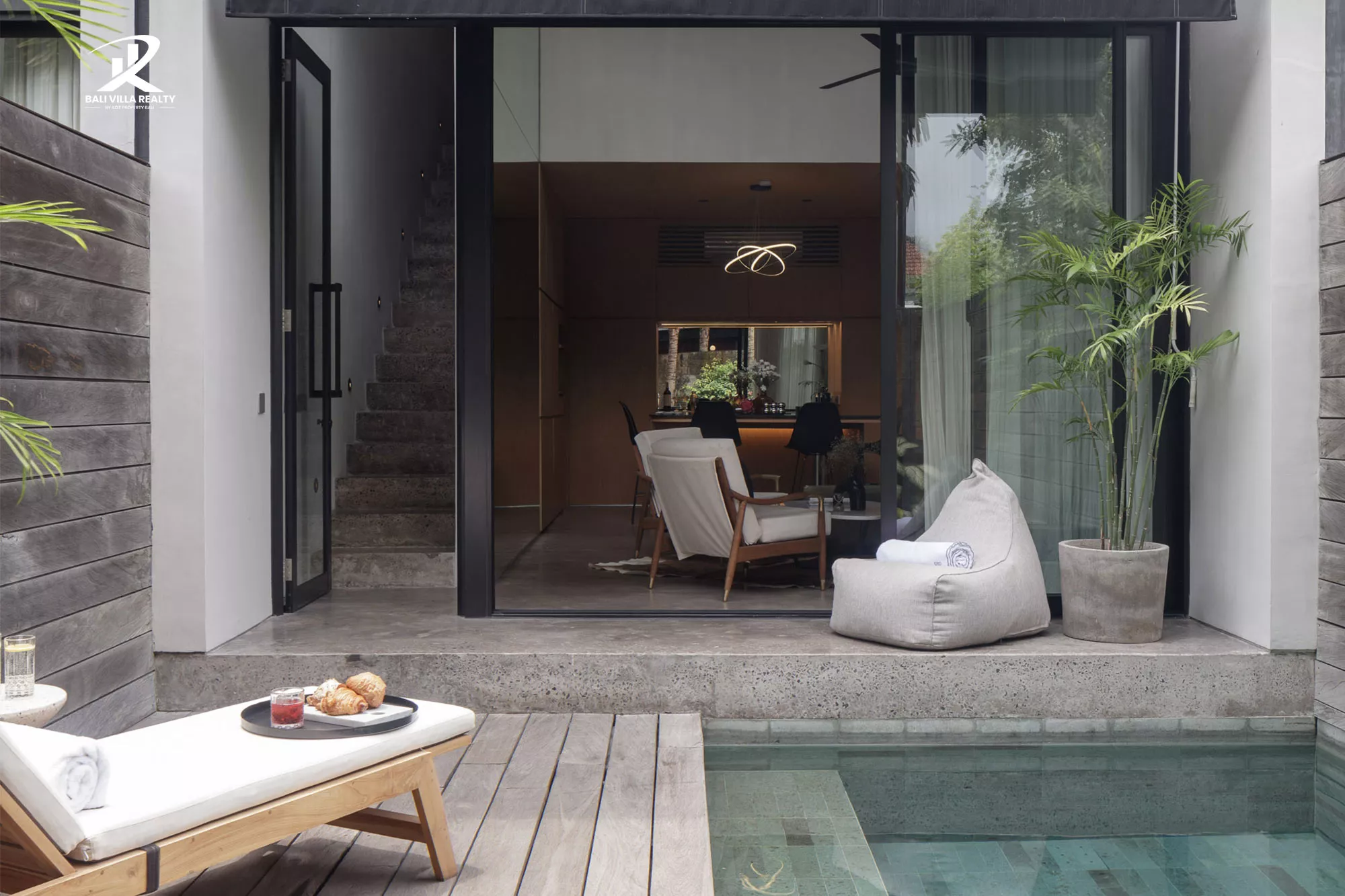
Yes.Investing in off-plan property in Bali offers several unique advantages. Let's break them down:
1. Lower Purchase Prices
One of the biggest advantages of buying off-plan is the price. Developers often offer off-plan properties at a discount compared to completed homes. This is because they want to attract early buyers to help fund the construction.
For you, this means securing a property at today’s price and avoiding the higher costs of a completed home in the future.
For example, in popular areas like Canggu or Seminyak, buying an off-plan property can save you anywhere from 10% to 25% compared to already-built villas.
If a completed villa costs $500,000, you might snag an off-plan property for $400,000 to $450,000—leaving you extra funds for furniture, upgrades, or even another investment.
While already-built villas are great if you need immediate rental income, the savings from an off-plan property can give you a head start in Bali’s market.
For detailed comparison, you can check our dedicated article here: Built vs Off-Plan Villas Investment in Bali, Which One is Better?
2. Better Capital Appreciation
Off-plan properties tend to increase in value during the construction phase, which can be especially useful if you’re looking to sell or refinance later.
For example, if you buy an off-plan villa for $300,000, by the time it’s completed in 12 to 18 months, it could be worth $350,000 or more, depending on the market.
This means you could gain $50,000 in value before you’ve even moved in or rented it out.
3. Flexibility to Customization
One of the most exciting parts of buying off-plan is the ability to customize. You get to choose layouts, finishes, adding bedroom for more profits, and even small details like flooring or fixtures.
This is especially valuable if you want to add more personalized touches and make your property stand out in the crowd of competition.
With already-built villas, you often have to compromise. The layout is fixed, and making changes—like moving walls or upgrading bathrooms—can be costly and time-consuming.
4. Flexible Payment Plans
Unlike buying an already-built villa, which usually requires full payment upfront, off-plan properties often come with flexible payment schedules.
For example:
- 10% deposit at the start
- 40% during construction
- 50% upon completion
This staged payment system means you don’t need to tie up all your cash at once, like when buying already-built villas. It also gives you time to plan your finances or reinvest elsewhere while your property is being built.
5. Designed for Long-Term Demand
Off-plan properties differ from completed homes because they are planned around current and future buyer expectations, not past trends.
Developers typically incorporate modern layouts and lifestyle-focused features, such as open living spaces, work-from-home areas, and flexible room designs.
As a result, you’re not only purchasing a property. You’re securing one that’s built to remain relevant, functional, and attractive to buyers or renters well into the future.
What ROI Can You Expect from Off-Plan Villas in Bali?
Disclaimer: This example is for informational purposes only; prices and figures may change due to market conditions. We recommend speaking with a senior advisor before making any final decisions.
What sets off-plan villas is you can get profit before your villa finishes. Revenue comes from a combination of capital appreciation and rental income.
Investors often see 10–30% value growth during construction, followed by net rental yields of around 7–12% per year, depending on the location, design, and how the villa is managed.
The real advantage comes from entering at a lower price, then benefiting from both value growth before completion and steady cash flow once the villa is operating.
Let’s look at a simple example of an off-plan Bali villa investment: an investor purchases an off-plan 2-bedroom villa for USD $400,000, with an 18-month construction period.
By the time the villa is completed, similar finished villas in the same area are selling for around USD $500,000, creating roughly 25% capital appreciation before any rental income begins.
Once operational, the villa generates approximately USD $55,000–60,000 per year in gross rental income, resulting in a net ROI of around 8–10% annually after management and operating costs.
Read More: Bali Villa Rental Yield 2026: Here’s How Much You Can Expect

Factors to Consider When Buying Off-Plan Property in Bali
1. Developer Experience and Track Record
The single most important factor in any off-plan purchase is the developer’s track record.
In Bali, only a limited number of developers have successfully completed multiple projects. Many others enter the market for the first time, often attracted by stories of high profits.
So, take time to research the developer thoroughly by:
- Visiting their completed projects
- Speaking directly with existing owners.
- Asking about build quality, delivery timelines, communication, and whether promises were met.
If you decide to work with an inexperienced developer because you like the design or concept, your agreement must be structured carefully and favor you.
You can make payments tied to actual progress to avoid project stalls.
It’s also wise to arrange regular site inspections, either personally or through a trusted representative.
Monthly progress checks help ensure reported updates match what is happening on-site.
2. Location
Location remains a major driver of value. Most off-plan developments are launched in popular areas where demand is high and property turnover is faster.
In these locations, buying off-plan is sometimes the only way to secure a desirable property.
| Area | Why Investors Look Here | Key Things to Watch |
|---|---|---|
| Canggu | ✅ One of Bali’s fastest-growing districts ✅ Driven by lifestyle demand, digital nomads, and strong rental performance. | Many small or first-time developers enter the market here. So, developer track record and pricing discipline are critical. |
| Uluwatu | ✅ Often seen as Canggu’s next growth phase ✅ Lower entry prices and the potential for ocean or cliff views. ✅ Popular with surfers, long-stay visitors, and lifestyle investors. | Infrastructure and access can vary by pocket. Due diligence on zoning, road access, and utilities is essential. |
| Ubud | ✅ Strong appeal for wellness, cultural, and long-stay markets. ✅ Limited but selective off-plan developments can perform well if positioned correctly. | Land prices around central Ubud have risen sharply, and rental demand is more niche than coastal areas. |
| Umalas & Kerobokan | ✅ Quiet residential alternatives between Seminyak and Canggu. ✅ Attractive for long-term living and mid-term rentals rather than pure tourism plays. | Scarcity of quality land and increasing apartment-style developments may affect resale dynamics. |
| Seminyak & Petitenget | ✅ Established, premium locations close to top dining, shopping, and beach clubs. ✅ Historically home to some of Bali’s strongest off-plan projects. | Higher entry prices and tighter margins mean returns rely more on stability than rapid appreciation. |
You should also assess the land zoning and risk of future developments nearby. New construction next door could affect views, privacy, or overall appeal.
Make sure all these factors are reviewed before committing.
3. Sale and Purchase Agreement
Off-plan sale agreements are typically drafted to protect the developer, not the buyer. This makes professional legal review essential.
A lawyer experienced in off-plan transactions can help rebalance the contract and identify hidden risks. Key points to review include:
- A clearly defined completion timeline, usually 12–18 months for simple builds and up to 24 months for larger projects
- Penalty clauses for construction delays caused by the developer
- Detailed specifications for materials, fixtures, and furnishings, leaving no room for substitutions without your approval
- A clear dispute resolution method that avoids local courts, with arbitration often being the preferred option
Read More: Cost of Property in Bali 2026: What You Need to Know
4. Payment Structure and Cash Flow
Off-plan payment schedules in Bali generally follow one of two models: construction-linked or time-based.
- Construction-linked plans release funds only when specific building milestones are completed. This approach is safer and strongly recommended.
- Time-based plans require payments on fixed dates regardless of construction progress (which may increases buyer risk).
Most projects start with a refundable reservation deposit, usually around 1% of the purchase price or a fixed amount.
This deposit allows time to review legal documents, permits, and land ownership. If issues arise during due diligence, the deposit should be refundable.
Once contracts are signed, the first major payment—often around 30%—becomes due. Ideally, this payment should secure ownership or rights to the land. This way, even if the project fails, the land still holds value.
Final payments are usually made at handover, with a retention (commonly 5%) held back to cover defects. This retention period typically lasts up to 3 months or until all issues are resolved.
5. Warranties and Guarantees
Unlike many Western countries, Bali does not legally require long-term construction warranties.
After the short retention period, buyers often rely solely on the developer’s goodwill if defects appear.
For this reason, it’s important to negotiate additional guarantees. Some professional developers now offer limited structural warranties, often up to one year, which is still better than none.
In some rental-focused projects, developers may also offer temporary rental return guarantees, commonly around 5–8% per year for a fixed period.
Be cautious with promises exceeding this range, as overly high guarantees are often built into inflated prices or may not be sustainable.
Can Foreigners Buy Off-Plan Property in Bali?
Yes, foreigners can buy off-plan property in Bali, but not under direct freehold ownership.
Most off-plan purchases by foreigners are structured as leasehold, typically 25–30 years with extension options, or through a PT PMA (foreign-owned company) for certain use cases.
The key is choosing the right legal structure, verifying land ownership and zoning, and ensuring all agreements are reviewed by an independent notary or legal advisor.
What are the Risks of Buying Off-Plan in Bali?
Buying an off-plan property naturally raises questions or doubts, since the property isn’t built yet.
But with the right approach, many of these concerns are easier to manage—and can even be profitable.
Below are some of the most common concerns buyers have and how to address them.
1. “What if there are construction delays?”
This is one of the first concerns most buyers bring up. Construction delays can happen for a variety of reasons, like weather, material shortages, or unexpected permitting issues. It’s frustrating, no doubt.
To minimize delays, choose a developer with a strong track record. Look at their previous projects and reviews.
A reliable developer is less likely to hit major roadblocks. And even if delays happen, they’ll communicate with you every step of the way.
2. “What if the property doesn’t match the plans?”
It’s natural to worry that the finished property won’t look like the sleek renderings. This is why working with a transparent developer is crucial.
They’ll provide detailed specifications and keep you updated during construction. Visiting the site or requesting progress photos can also help.
3. “What if the developer doesn’t deliver at all?”
We’ve all heard horror stories about abandoned projects. That’s why it’s important to stick with established developers who have completed multiple projects in Bali.
- Check reviews, ask for references
- Don’t hesitate to ask about their track record.
- Most importantly, make sure your contract is airtight.
A solid agreement protects you in case of any major issues, ensuring you’re not left empty-handed.
4. “Isn’t it risky to invest in something unfinished?”
Any property investment comes with some level of risk. The real question is whether the rewards outweigh those risks—and with off-plan, they often do.
For one, you’re buying at a lower price, which gives you a cushion for potential market fluctuations.
Plus, Bali’s strong demand for quality villas, both for long-term stays and holiday rentals, means your investment has a high chance of paying off.
With proper planning, research, and a trustworthy team on your side, you’re not just taking a risk. You’re making a calculated, strategic move.
Conclusion
Buying off-plan property in Bali can be a smart and strategic move when done correctly.
With proper due diligence and realistic expectations, off-plan investments can deliver both solid ROI and long-term value.
You can start investing in off-plan projects by exploring our exclusive off-plan villas with special pre-launch pricing here.
If you prefer a more tailored approach, you can also contact our senior agent to receive a personalized investment plan.
At Bali Villa Realty, we’re here to guide you every step of the way. Invest smart and elevate your life with Bali Villa Realty.