
Key Takeaways
- The Bali real estate market 2026 is shifting toward long-term value, realistic pricing, and structured deals.
- Freehold properties in emerging premium locations are gaining attention from experienced investors.
- Guest experience, wellness, and sustainability are now critical drivers in the Bali villa market 2026.
- Oversupply in certain coastal zones is pushing investors to be more selective and strategic.
- Rental yields remain strong, but quality, management, and location matter more than ever.
The game of Bali real estate 2026 has changed. Today, the Bali real estate market is defined by one word: maturity.
Bali remains one of the most compelling property markets in the world for foreign investors. Strong tourism, high rental yields, and a lifestyle that practically sells itself.
But the market dynamics of 2026 are fundamentally different from the gold rush years that came before. New regions are gaining traction. Sustainability is now a priority. And investors winning in this market are those who follow fundamentals.
Here’s a closer look at the key trends shaping Bali’s property market in 2026.

1. Smart Infrastructure Creates New Hotspots

Bali’s government is investing over $95 million to upgrade roads, drainage, and transportation.
One of the biggest projects is the proposed Bali Urban Subway (MRT) that will connect the airport to Cemagi and Nusa Dua, making travel smoother and faster than ever.
The Bali government is also developing a new international airport in North Bali, which is expected to distribute tourist arrivals more evenly and stimulate economic growth in the region.
In addition, the construction of the Gilimanuk–Mengwi toll road is being pushed forward to improve interregional accessibility.
With better roads and easier access, new areas in North and East Bali are starting to shine. Areas connected to these projects are likely to experience faster property value growth.
At the same time, infrastructure-driven growth is encouraging investors to think beyond today’s hotspots and focus on how accessibility will reshape demand over the next 5–10 years.
💡 Smart tip: Buy early in areas where upgrades are still happening. You’ll likely pay less now and see stronger appreciation later.
Read More: Is 2026 a Good Time to Invest in Bali Property?
2. North Bali Is the Next Big Thing

Although South Bali remains crowded, the spotlight is gradually moving north — especially with the upcoming North Bali Airport.
There are already many interesting destinations in North Bali, such as Lovina. However, compared to Canggu, Seminyak, or Kuta, the area’s popularity is still behind.
That’s changing. Lovina, famous for its calm beaches, dolphins, and laid-back atmosphere, is set for a full transformation in 2026.
The government is also fixing roads, improving drainage, and restoring beaches to attract eco-friendly resorts and boutique villas.
This makes North Bali one of the most exciting “early-stage” investment zones, with lower land prices and high long-term potential.
Experienced developers are also watching other under-the-radar areas such as Amed, Medewi, Nusa Penida, and Tabanan.
These areas offer reasonable entry prices with strong long-term upside, especially for premium beachfront, cliffside, or rice-field-view properties.
Explore Profitable Bali Villa For Sale - New Listing 2026
3. Green Homes Are the New Luxury
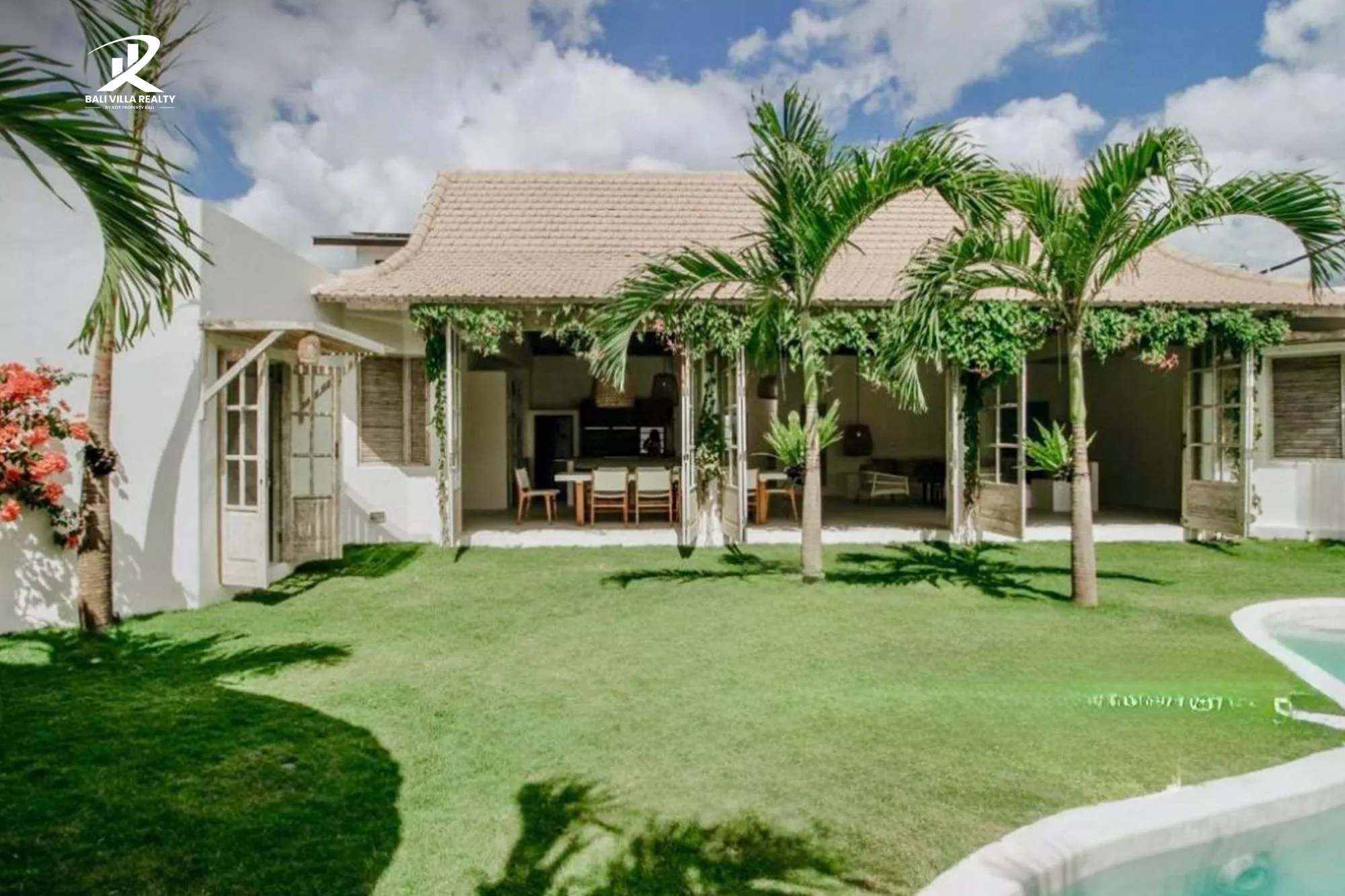
Sustainability is no longer a “nice bonus", especially after Bali government halted new hotel and resort projects in 2025.
In the Bali property market 2026 outlook, sustainability becomes a pricing factor that directly impacts occupancy rates, nightly pricing, and long-term asset value.
Why? Our observation on Bali's 2026 travel trend shows that travelers increasingly prefer villas that feel natural, modern, and environmentally responsible. And, they’re willing to pay a premium for these features.
This is pushing developers towards eco-luxury villas using bamboo, volcanic stone, solar panels, natural ventilation, and rainwater systems.
4. The Wellness & Work-from-Anywhere Boom

Bali continues to attract digital nomads and long-term renters looking for balance, good Wi-Fi, calm spaces, and healthy living.
Developers are now creating hybrid villas that combine private living with co-working spaces, yoga decks, and wellness-focused amenities.
Towns like Ubud, Pererenan, and Tabanan are popular with this group because they offer nature, culture, and reliable internet.
There is also a growing shift toward “experience-based” hospitality, where guests choose villas not just for sleeping, but for how the space makes them feel throughout their stay.
Properties that offer community, wellness, or lifestyle experiences are outperforming standard villas in 2026.
Read More: Digital Nomad Bali Guide: Visa, Tips & Best Location for Global Workers
5. Smart Homes are Becoming Must-Have Investments
Tech-friendly villas are quickly becoming the new standard in Bali villa market 2026.
Properties equipped with keyless entry, automated lighting, smart security systems, and energy monitoring are gaining demand for both short-term rentals and full-time living.
The technology helps owner to manage their villas remotely, while renters can enjoy comfort and safety.
As the luxury market matures, smart features will separate “premium” villas from basic ones.
6. Easier Entry to Indonesia
Tourist arrivals in Bali are likely to increase in 2026 as entry procedures become smoother through digitalization.
Starting in late 2025, all visitors will be required to use the new “All Indonesia” app, which combines immigration, customs, and health declarations into one single, simplified process.
At Ngurah Rai International Airport, improved baggage screening is reducing long queues, allowing travelers to move through arrivals more quickly.
This simplified entry process supports Indonesia’s broader tourism strategy and strengthens Bali’s position as a long-stay destination, sending a positive signal for the Bali property market 2026.
However, keep in mind that the IDR 150,000 ($9) tourist levy will continue, helping support environmental conservation and cultural preservation.
Read More: Bali vs. Hawaii: Which Is Better for Holidays and Investment?
7. Stricter Rules, Safer Investments
The government is tightening building and zoning rules to protect nature and limit overdevelopment.
These changes are good news for serious investors, as they help ensure a safer, more stable market.
Buying real estate in Bali is still possible for expats, usually through a leasehold structure or a PT PMA company, but legal accuracy is more important than ever.
To better understand the legal landscape, learn more about foreign property ownership in Bali here.
In addition, market maturity is pushing investors to prioritize exit strategies and asset quality, especially for leasehold properties where resale planning is essential.
💡 Smart tip: Work with a trusted, licensed real estate agent and a legal team that understands foreign ownership.
8. A More Balanced Market Ahead
After years of rapid villa building, 2025 saw a slight oversupply, especially in Canggu and Seminyak. But in 2026, construction is slowing, letting demand catch up.
This balance means higher occupancy rates for well-managed properties and more stable returns of 6–9% per year.
Price expectations are also normalizing. Sellers are becoming more flexible, negotiations are more structured, and property prices are increasingly based on fundamentals rather than hype.
It’s no longer a “get-rich-quick” market, but a solid, sustainable one.
💡 Smart tip: Focus your investment on quality, great location, good management, and sustainable design, not just hype or short-term gains.
Bali Rental Yield Expectations in 2026
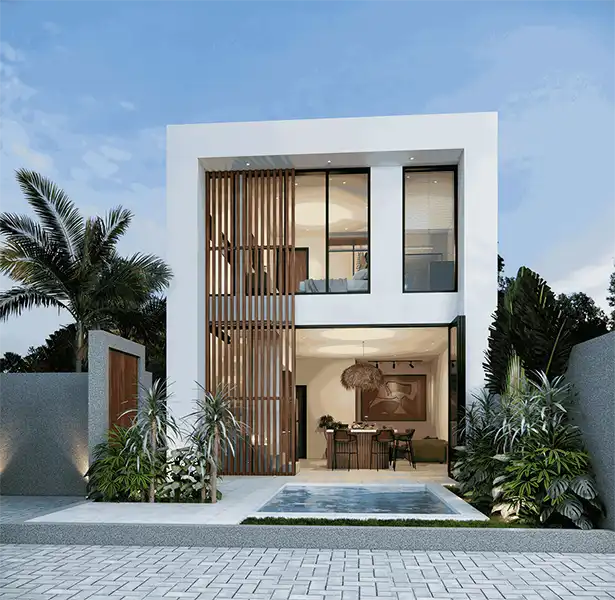
Bali continues to offer some of the highest rental returns in Southeast Asia. Expected returns in 2026 include:
- Canggu, Berawa: 10–15% net annually (In-depth review: How Profitable Are Your Villa Rentals in Canggu?).
- Uluwatu, Bingin: 12–17% for ocean-view or near-beach villas.
- Ubud: 8–12% for well-designed wellness-driven homes (In-depth review: Invest in Ubud: Best Locations for Profitable Property Investment).
- Pererenan, Seseh: 10–14% as the area continues to expand.
Returns are increasingly tied to experience, management quality, and differentiation, not just location alone.
Read More: Invest in Bali: A Complete Guide for Foreign Investors
Conclusion
So, is 2026 a good time to buy villas in Bali? We believe yes, as long as your strategy adapts to the changing market.
Bali real estate 2026 is no longer driven by fast flips. It’s shaped by experience, sustainability, smart design, and long-term thinking.
Investors who focus on premium assets, clear exit strategies, and future-ready locations are best positioned for the next growth cycle.
If you need help refining your investment approach or want access to curated listings in upcoming hotspots, our property specialist is ready to assist you for free.
We’ll prepare a personalized plan and share top opportunities that match your goals — completely free, with zero commitment. Book your free consultation today.
FAQ
Yes. 2026 can be a good time to sell, especially if you list early. Listing early means less competition, as the market is becoming more balanced.
Indonesia’s real estate market is valued at approximately USD 66.74 billion in 2025 and is projected to grow to USD 86.98 billion by 2030, reflecting a compound annual growth rate (CAGR) of 5.44% over the 2025–2030 period.
It depends on your investment goal. But according to financial analysts, property values are expected to stabilize and gradually recover after 2026, following recent market adjustments.
It depends on your goals. Built villas give you faster rental income and less hassle. However, building your own can offer better value and customization. Learn the full comparison here: Built vs Off-Plan Villas Investment in Bali, Which One is Better?