
Key Takeaways
- Flood risk in Bali is driven by both extreme weather and rapid development, making location, terrain, and drainage critical factors for safe property investment.
- High-ground and limestone areas such as the Bukit Peninsula, Sanur, Sidemen, and parts of North Bali consistently perform better during heavy rain and offer lower structural and rental risk.
- Proper land zoning (tourism/yellow zone), thoughtful villa design, and adequate insurance are essential to protect long-term rental income and resale value.
- Working with experienced local agents helps investors avoid flood-prone areas, legal issues, and costly mistakes while securing safer, more profitable investments.
Bali flood has become a real concern for many property investors, especially after recent extreme weather.
If you’re planning to invest in Bali, understanding where and how you buy is no longer optional. It’s part of investing safely.
This guide breaks down what causes flooding in Bali, which areas perform better during heavy rain, and how you can reduce risk while protecting long-term returns.

What’s Causing the Bali Flood?
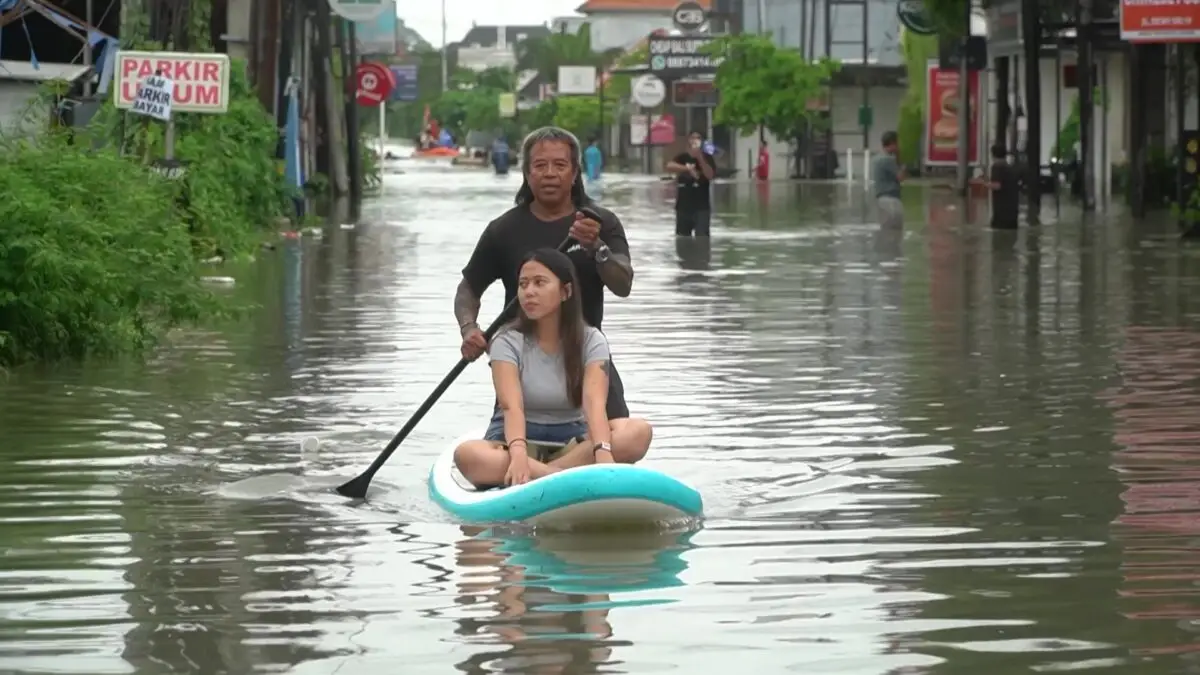
Flooding in Bali is caused by both natural and development-related factors.
Bali is located in a tropical region where heavy rain and storms can occur for months at a time—like what happened in December 2025.
Even though these events are temporary, extreme weather still increases the risk of flash floods, landslides, and fallen trees.
Another major factor is rapid and large-scale development, especially in popular investment hotspots.
As construction expands, green absorption areas become limited, making it harder for water to drain properly during heavy rain.
Areas with older or poorly planned drainage systems tend to suffer the most. This is why investors need to be careful when selecting locations before committing to a property.
How to Ensure Your Bali Villa Is Safe from Flooding and Sustainable
Choosing a property that reduces flood risk is crucial to avoid profit loss caused by natural disasters. Here are some tips from us as local real estate agents.
Prioritize Safer Locations
Bali is not flat. Some areas experience severe waterlogging, while others remain almost untouched during heavy rain.
For example:
- Low-lying areas, river basins, and reclaimed land naturally collect water
- Hillside and limestone plateau areas drain water much faster
- Urban zones with dense development struggle more during prolonged rain
Based on recent flooding events, these areas handled heavy rainfall better than others:
| Area | Flood Safety Profile | Best For |
|---|---|---|
| The Bukit Peninsula(Uluwatu, Ungasan, Nusa Dua, Jimbaran) | Among the safest areas. Located on higher limestone plateaus with strong natural drainage. Largely unaffected during recent major floods. | Luxury stays, cliff-top views, resort-style villas, surfers |
| Sanur | Generally safe coastal area. Calmer waters and less severe flooding compared to western beach towns. | Families, relaxed beach holidays, older travelers |
| Sidemen (East Bali) | Inland rural area in the hills. Very low flood risk due to terrain, but more remote. | Cultural immersion, peace and quiet, mountain views |
Browse Secure Bali Property Investments in Top Areas
Check Land Zoning and Historical Land Use
Land zoning is another critical factor. Many flood-prone areas were originally rice fields or agricultural land that were never designed for dense construction.
When land is developed against its natural function, flood risk increases. Legally, villas should be built on land zoned for tourism (yellow zone). So, building on the wrong zoning—such as protected green zones—can also create serious legal issues.
The government has banned new tourism construction on protected green zones to help reduce flooding. This means compliant properties today follow stricter and safer regulations.
It’s always better to verify land zoning properly before committing. You can learn more about Bali land zoning types and how to check them quickly here.
Check the Property Carefully
Once you’ve shortlisted a location, dig deeper into the specific villa.
- Ask Direct Questions: Contact the host or agency before booking. You can ask:
- "Has this property ever been affected by flooding?"
- "Is the villa in a flood-prone zone or is it on elevated land?"
- "What drainage systems or flood mitigation measures are in place?"
- Look for "Eco-Friendly" Design: There is rising demand for villas built with sustainability and resilience in mind. Features like good land slope, drainage, and green areas help minimize flood risk.
- Study Reviews and Maps: Check recent reviews for rain or flooding issues, and use Google Maps to assess elevation and nearby rivers.
- Verify Emergency Plans: A professional villa management team will have protocols for extreme weather, such as backup generators, emergency contacts, and guidance for guests.
Have Proper Villa Insurance
Property insurance is essential to protect your villa from risks such as fire, floods, theft, natural disasters, and guest liability.
Coverage options often include:
- Structural damage from natural disasters
- Liability protection
- Rental income replacement
- Optional add-ons (such as volcanic eruption coverage)
Always understand the claim process before you need it. We’ve discussed villa insurance pricing and claim steps in more detail here.
Work With an Experienced Local Real Estate Agent
Honestly, you can simplify all of this by working with an experienced local real estate agent like Bali Villa Realty.
Our senior agents and advisors have helped foreign investors buy and invest in Bali for over 14 years.
We understand which areas are safer, legally compliant, and profitable—based on different investor goals.
This allows you to invest with more confidence and fewer surprises. You can book a free consultation with us anytime to ask questions directly.
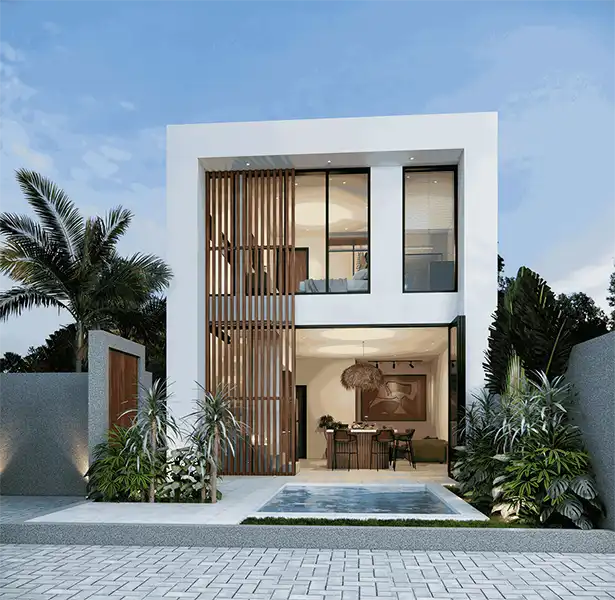
Recommended Flood-Safe and Profitable Areas in Bali for Property Investment
Some regions consistently perform better during heavy rain due to terrain, elevation, and soil type:
| Area | Flood Risk Profile | Investor Advantage |
| The Bukit Peninsula (Uluwatu, Ungasan, Nusa Dua, Jimbaran) | Very low risk. Limestone plateau with natural drainage. | Strong luxury demand, stable values, premium resale |
| Sanur | Generally stable coastal area with better drainage | Family rentals, long-stay tenants |
| Sidemen (East Bali) | Hillside terrain, minimal flood exposure | Lifestyle villas, low structural risk |
| North Bali (Lovina, Munduk, Bedugul) | Less urban congestion, better runoff | Lower entry price, long-term upside |
If you’re looking for a place that is safe to invest in and profitable in 2026, North Bali areas like Lovina are a good option.
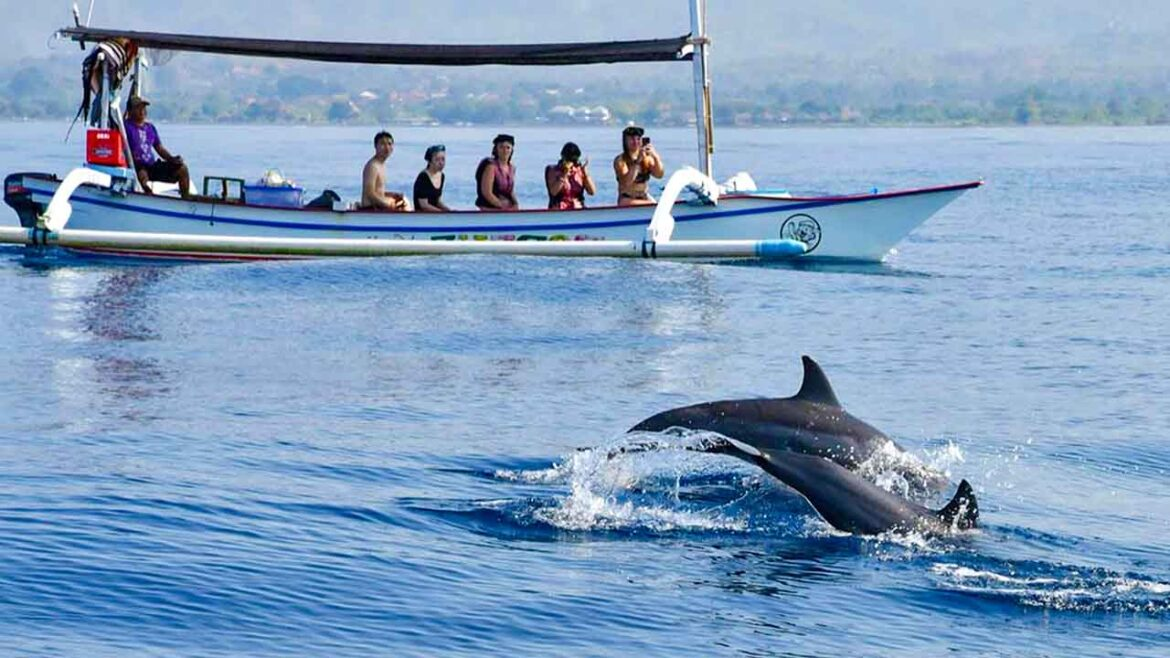
North Bali is generally safer from severe flooding and remains relatively quiet.
The area has strong potential due to new infrastructure development, including the planned North Bali airport, which is expected to bring more visitors.
Bali’s 2026 property market outlook also suggests this region will become a preferred option for tourists, as many travelers are already tired of crowded destinations.
Popular tourist attractions in this region include Lovina Beach, Gitgit Waterfall, Menjangan Island, Bedugul, and the Munduk Highlands.
However, visitors should still remain cautious, as extreme rainfall can cause localized flooding or fallen trees there.
Conclusion
Flooding doesn’t affect all of Bali equally. For investors, the difference between a risky property and a resilient one often comes down to location, zoning, and planning, not "luck".
By choosing higher-ground areas, checking land zoning carefully, and working with experienced local professionals, you can reduce risk while protecting long-term returns.
Need further help? Bali Villa Realty is here to help you invest smarter and elevate your lifestyle. Book a free, no-obligation consultation here.