Key Takeaways
- Slow and immersive travel dominates Bali in 2026. Visitors are choosing quieter, culturally rich, and nature-focused destinations like Amed, Sidemen, Seraya, Penglipuran, and Menjangan Island, beyond the usual crowded spots.
- Eco-friendly and sustainable tourism is on the rise. More travelers prefer eco-conscious villas, which also offer higher long-term property value.
- Undeveloped areas are believed to offer benefits such as lower entry prices and stable long-term investment potential.
- Smaller villas, long-term rentals, and compliant ownership models cater to digital nomads and lifestyle travelers in Bali this year.
Bali is changing the way people explore it. You’re looking at a very different island than a few years ago.
Instead of bouncing between crowded tourist spots, travelers are slowing down today. They’re also choosing areas where daily life still feels local and authentic.
And this shift isn’t just about travel. It’s shaping where demand is growing and where new opportunities are emerging.
In this article, we’ll break down Bali’s travel trends for 2026 to give you a clearer picture of where Bali is heading next.

New Bali Travel Routes 2026
As Bali shifts toward slow travel, nature-based adventures, and cultural immersion, new destinations across the island are rising in popularity.
These areas offer quieter experiences, authentic local life, and stunning natural scenery—perfect for travelers who want to explore beyond the usual tourist route.
1. Amed: Black-Sand Beaches & Sunrise Coastline (East Bali)
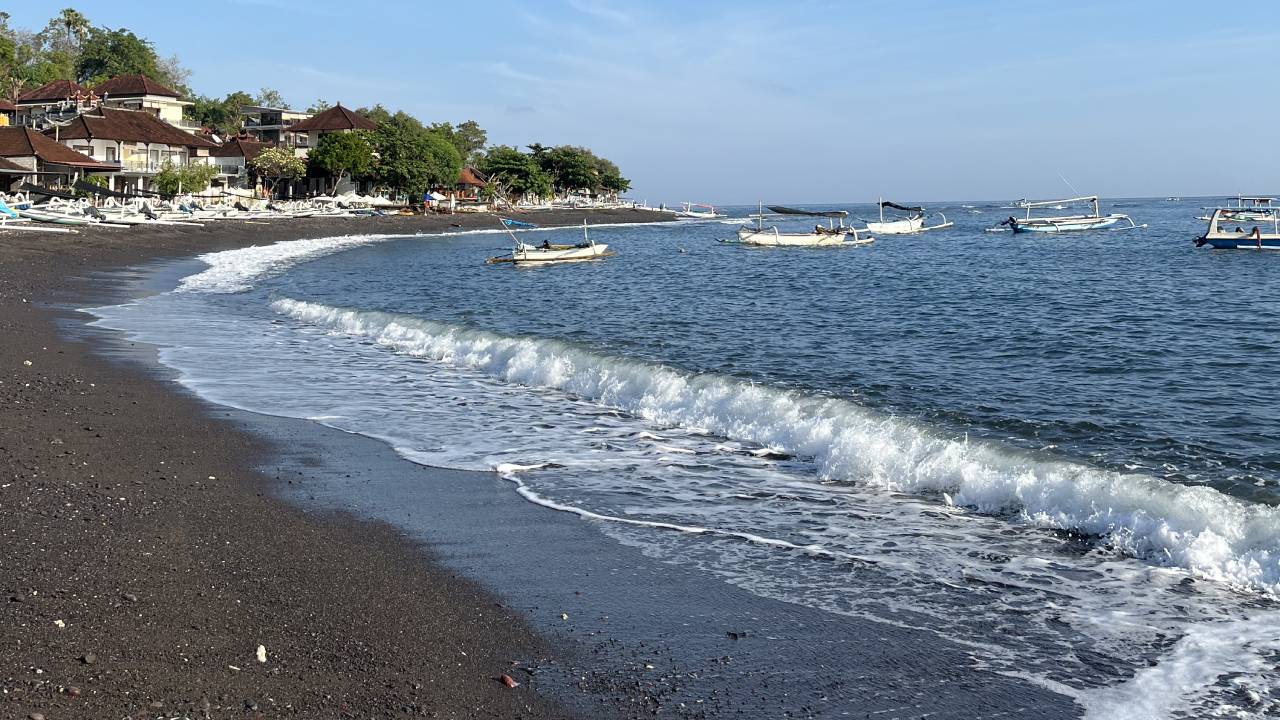
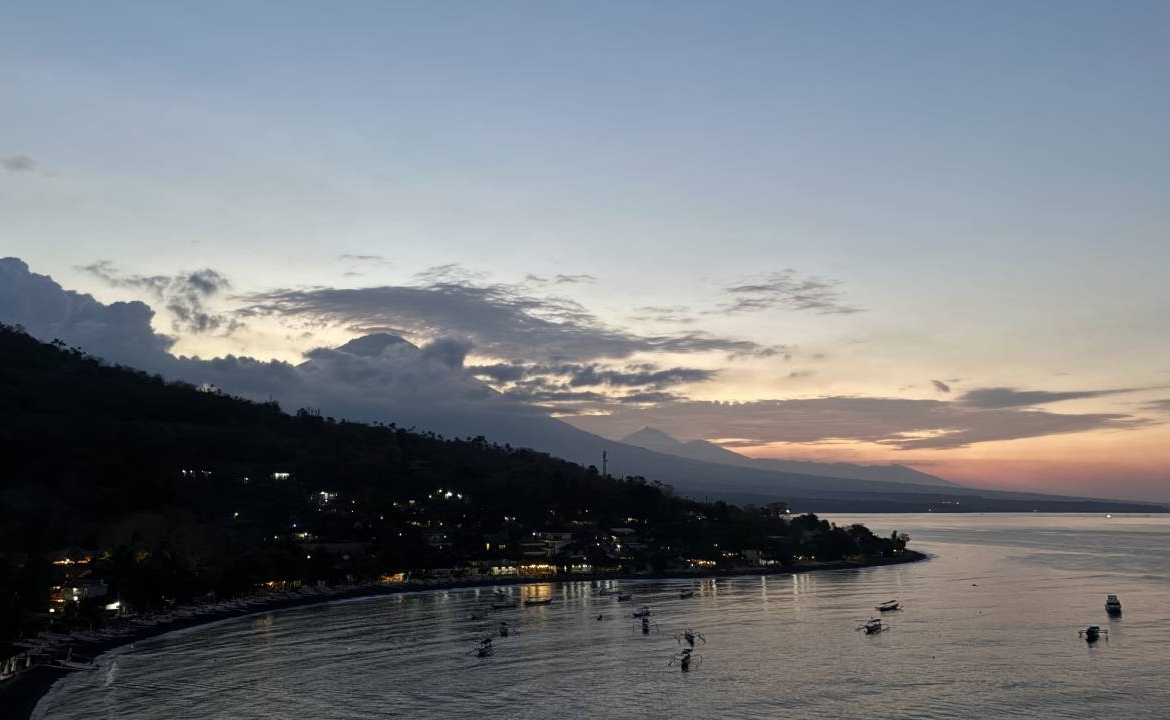
Amed is one of East Bali’s most peaceful coastal villages, stretching along a long scenic bay lined with traditional fishing boats.
Known for its black-sand volcanic beaches, sunrise viewpoints, and calm underwater world, Amed is especially popular among divers and snorkelers.
Amed is also one of the best areas to visit if you’re traveling on a budget. There are plenty of affordable accommodations here, many of them facing the ocean directly.
During the day, Amed can be lively with tourists, from solo travelers to families. But at night, the atmosphere becomes quiet and quite dark, with limited street lighting.
Nightlife is also far more limited compared to Sanur, even though both are coastal areas.
Based on experience, it’s easier to get around by motorbike because of the narrow roads. However, medium-sized cars (6–7 seaters) can still access the road leading down to the beach.
Explore Bali Villa For Sale 2026: Hotspot + Emerging Areas
2. Tirta Gangga: Bali’s Royal Water Palace
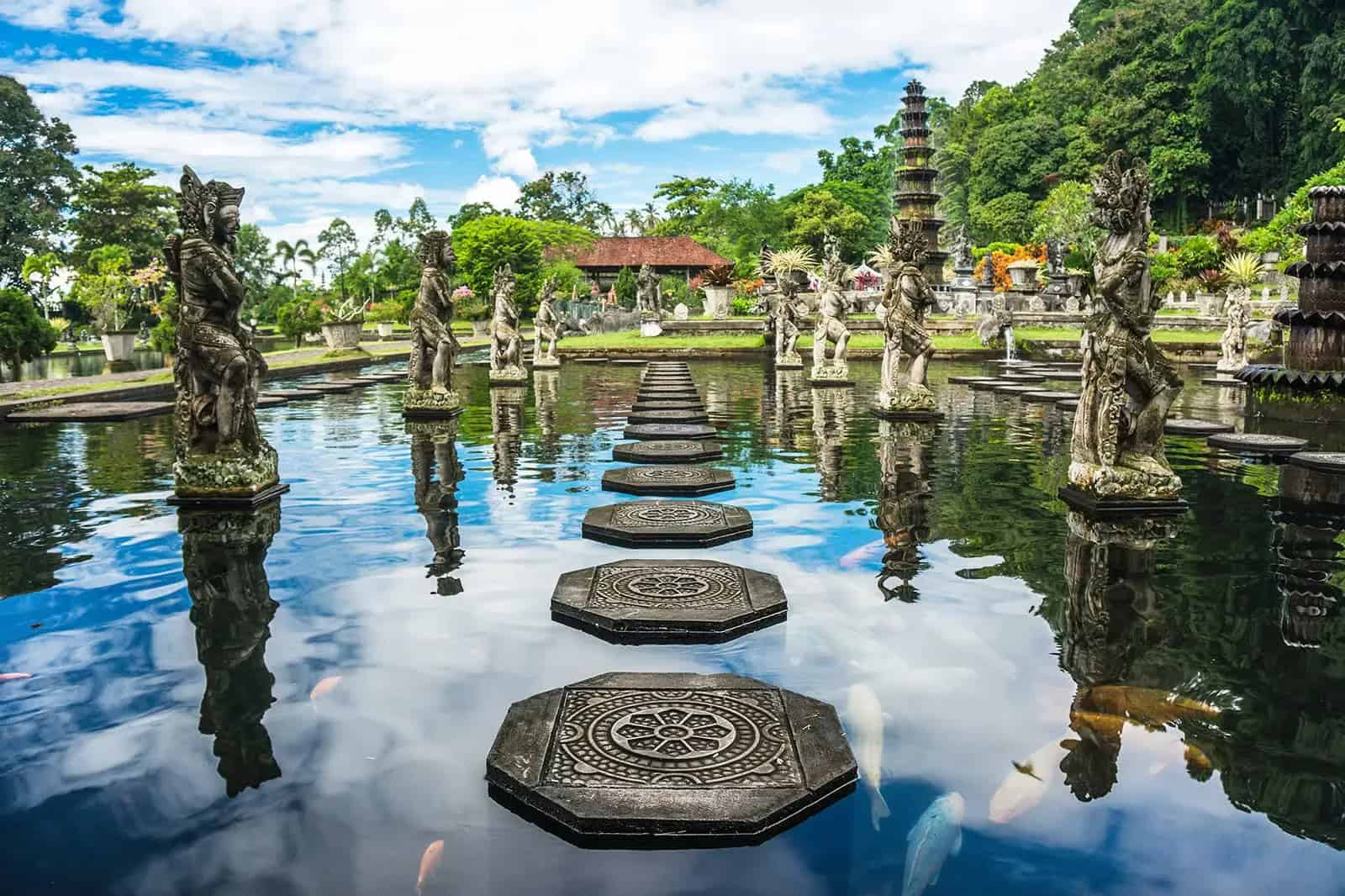
Tirta Gangga is one of Bali’s most iconic cultural landmarks, known for its iconic water palace—a blend of Chinese and Balinese architectural styles.
It's built by the Karangasem royal family and surrounded by gardens, koi ponds, and stone walkways.
This place is often a top tourist choice for both locals and foreigners because of its grandeur. There are plenty of aesthetic photo spots here, and visitors can even swim!
The grand royal ornaments are beautifully displayed and can be appreciated up close by visitors. The whole scenery makes you feel as if you’ve been transported back to the era of Bali’s ancient kingdoms.
Not only that, Tirta Gangga also offers complete facilities, including a restaurant, souvenir shop, and a spacious parking area.
The route is easy to combine with other good spots to travel in Karangasem, like Amed, Lempuyang, and Seraya routes.
Ticket prices are also quite affordable, making it a great destination for family trips, outings with friends, solo travel, or a romantic day out. Remember to always behave respectfully while inside the complex.
3. Seraya: Untouched Coastline and Viral Lighthouse
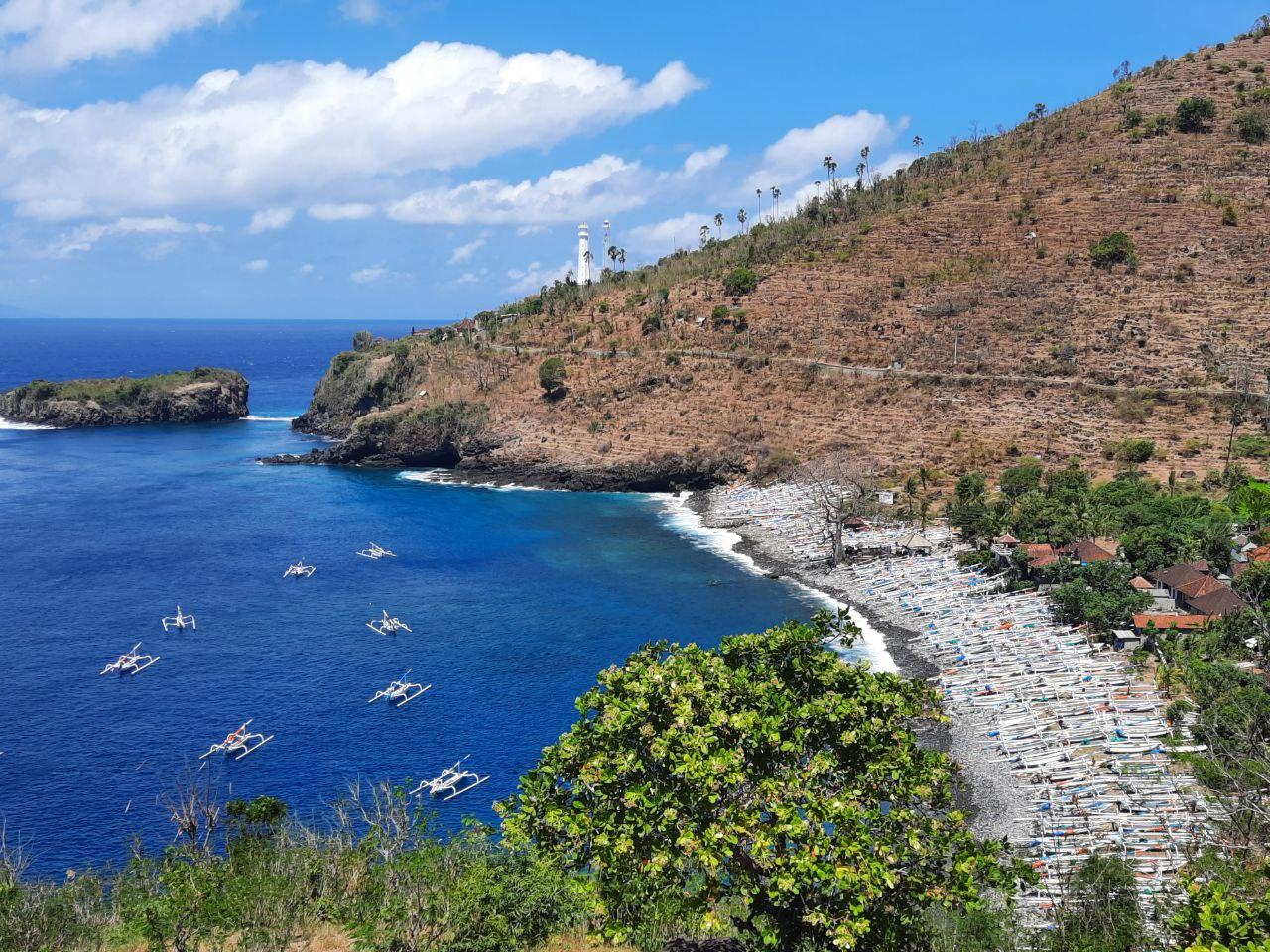
Seraya is one of the least-developed corners of East Bali, and the area remains largely local and untouched.
You can enjoy sweeping views of the blue ocean and dramatic cliffs that are fun to explore.
However, we recommend using a motorbike when getting around, as many roads are narrow and not ideal for cars.
You should also be cautious of the winding routes—steep uphill and downhill sections—especially if you plan to explore the coastal areas. For some travelers, these roads can feel quite “extreme.”
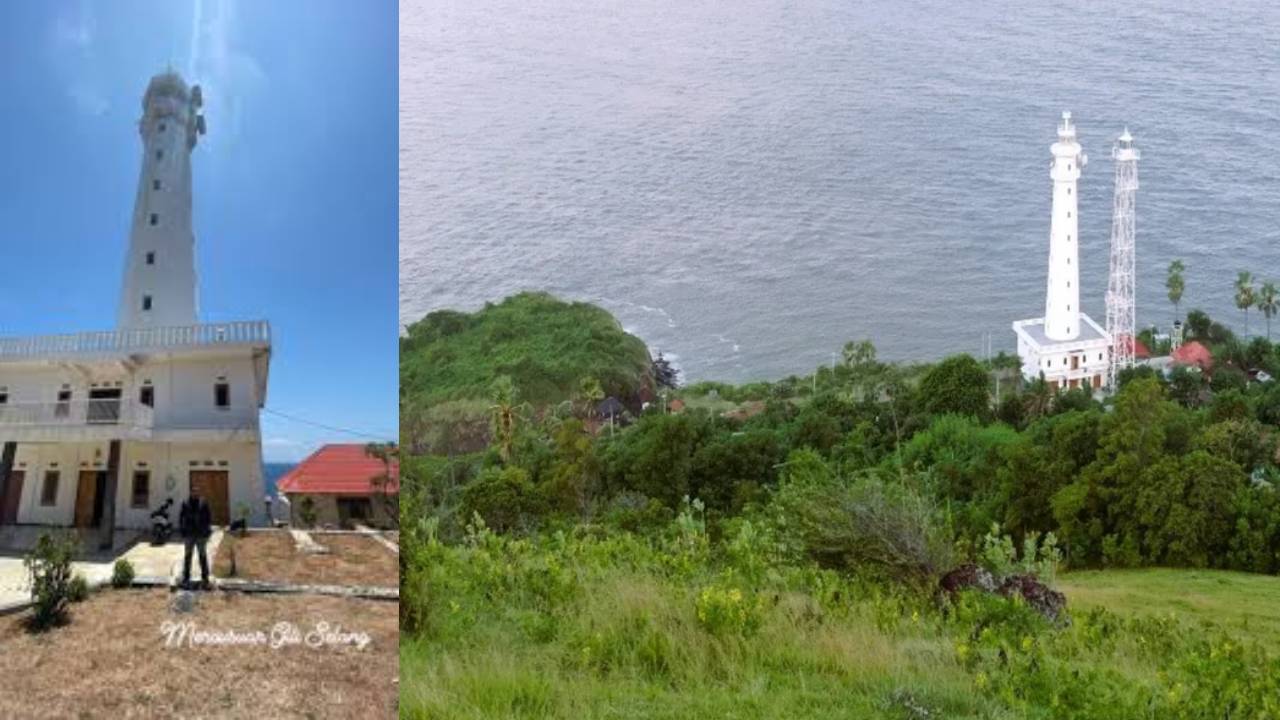
More people have started visiting Seraya recently to see the lighthouse located on Bukit Mencol, which became popular after going viral on TikTok.
4. Sidemen: "Ubud" Before the Crowds
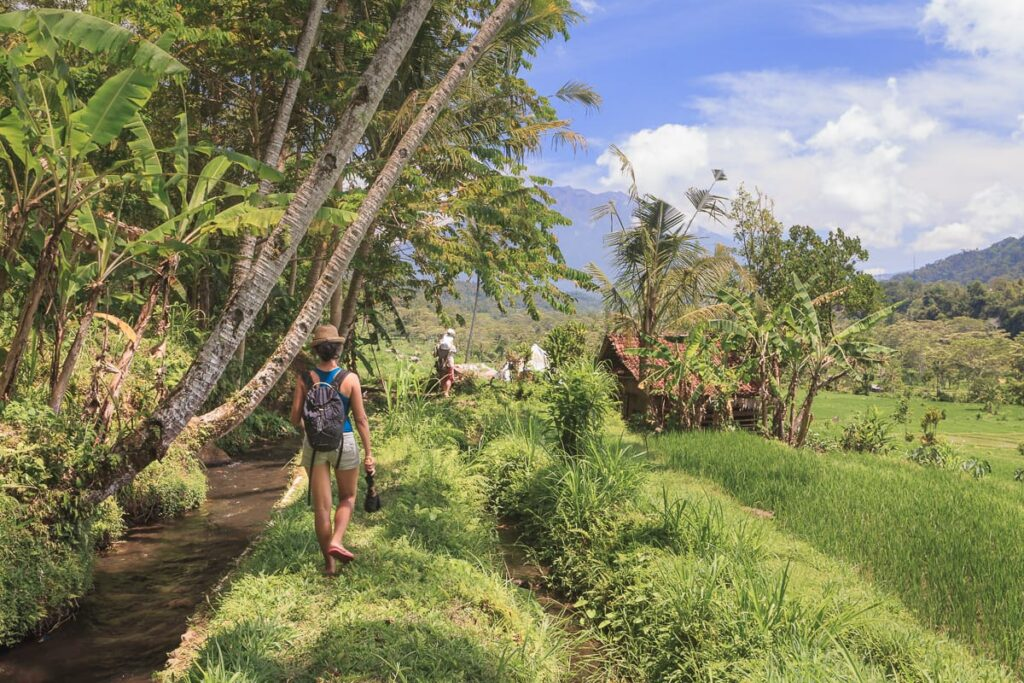
Sidemen is tucked away in Karangasem, East Bali. This place is often called “Ubud before the crowds" because it has the same natural beauty and peaceful vibe that Ubud had around 30 years ago.
Sidemen is about a 2.5-hour drive from Canggu. Just like the other areas we’ve mentioned, getting around Sidemen is easier on a motorbike because many of the roads are narrow and steep.
You’ll also need to be careful on the way there. Many trucks pass through the area, and the air can be a bit polluted because of the traffic.
But all of that fades away once you reach your villa. Most accommodations here offer genuine jungle views, total peace, and fresh mountain air.
There are also plenty of trekking spots around the rice fields, rivers, and village pathways that still feel completely natural and untouched.

5. Penglipuran: The Cleanest Traditional Village in the World
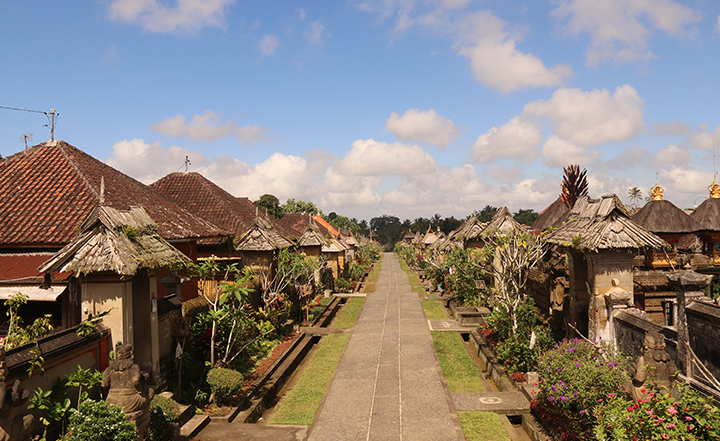
Penglipuran is known globally for its well-preserved culture, traditional bamboo architecture, and clean, beautifully organized village layout.
It’s one of Bali’s best examples of sustainable, community-managed tourism.
The residents of this village follow very strict customary laws. One of them states that if someone breaks social norms—such as committing adultery—they will be exiled to a remote area within the village.
Penglipuran residents also do not use money for transactions.
Visitors are required to exchange their cash for numbered bamboo coins or tokens, which act as currency and are then used for purchases within the village.

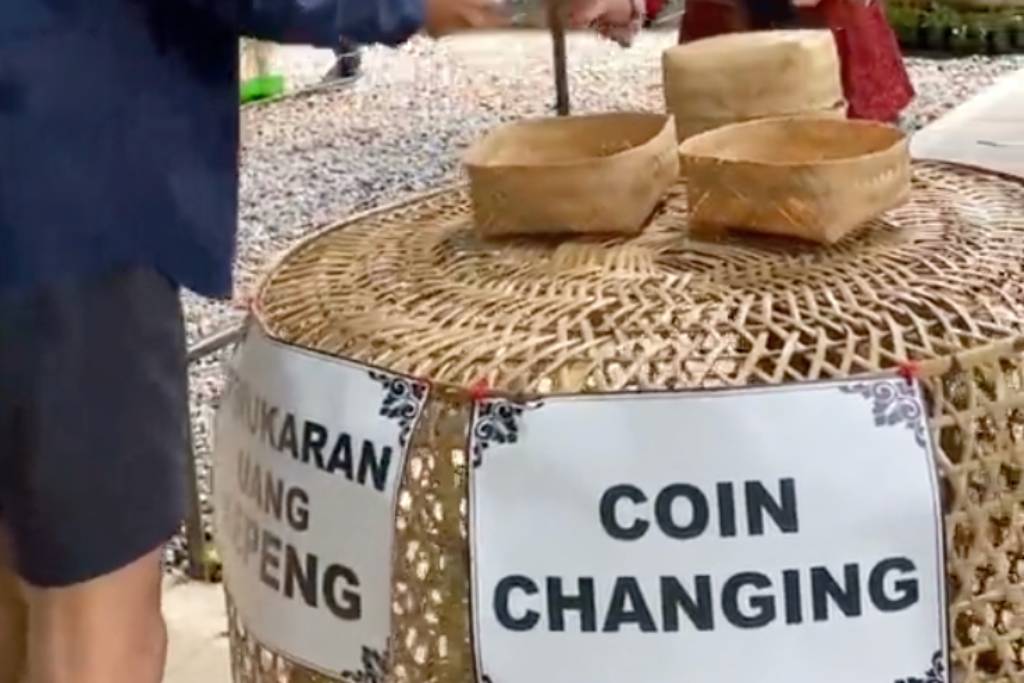
These unique traditions are part of what makes the village so fascinating to many visitors.
6. Menjangan Island
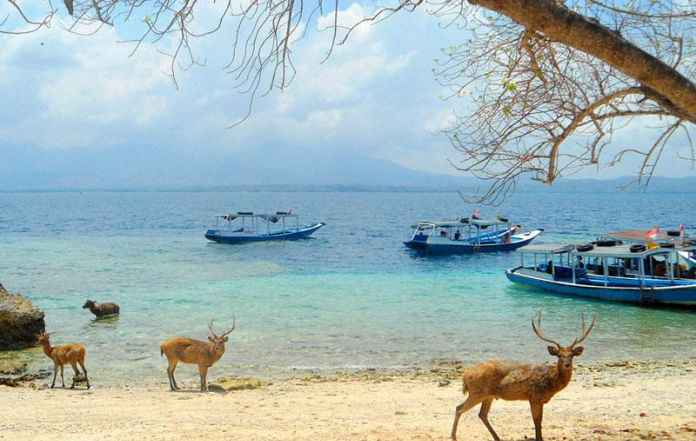
Menjangan Island is a small island located about 5 miles northwest of Bali. It’s one of the best snorkeling and diving spots in the area, right up there with Amed.
The island is surrounded by vibrant coral reefs, with colorful underwater scenery and plenty of dive and snorkel sites to explore.
There are many affordable snorkeling tour packages here. For example, a basic snorkeling trip costs around IDR 650,000 ($39).
Still want to explore further? Menjangan Island is also quite close to Banyuwangi in East Java.
Many travelers choose tours that include a crossing to that area, so they can explore both Bali and Java more freely during their trip.
Other Hidden Bali Gems Worth Visiting in 2026
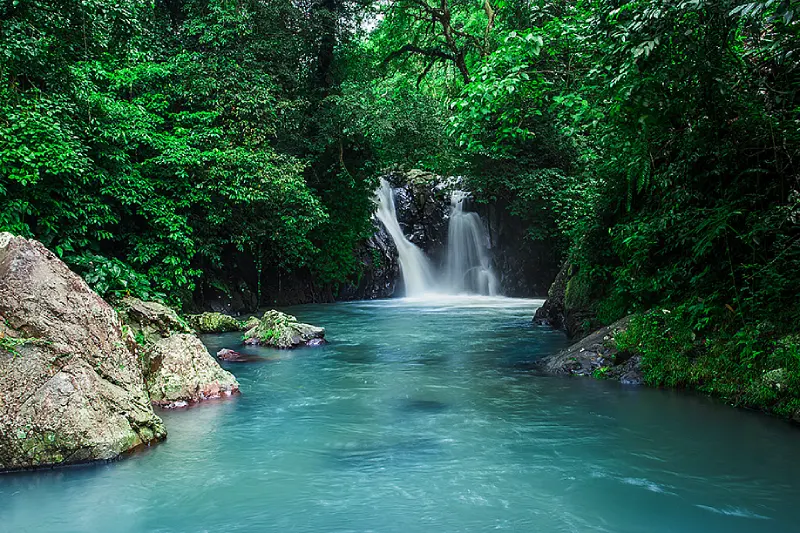
Besides the areas we’ve already explained, there are other rising destinations that are worth exploring:
| Place | Highlights | Best For |
|---|---|---|
| Les Waterfall (North Bali) | Quiet jungle setting with crystal-clear plunge pools; peaceful and clean environment | Nature lovers, light trekking, travelers seeking hidden waterfalls |
| Tenganan Village (East Bali) | Ancient preserved culture, traditional layout, and double ikat weaving | Culture enthusiasts, history lovers, educational trips |
| Sambangan Secret Garden (North Bali) | Natural pools, blue lagoons, waterfalls, canyon-like jungle trails | Adventure seekers, trekking lovers, water activities |
| Banyuatis (Munduk Area) | Untouched coffee plantations, cool highland air, mountain and valley scenery | Coffee lovers, photographers, countryside travelers |
| Abang & Tulamben (East Bali) | Top diving spots with volcanic seascapes and the USAT Liberty shipwreck | Divers, snorkelers, underwater photographers |
Eco-Friendly Travel: The Future of Bali Tourism
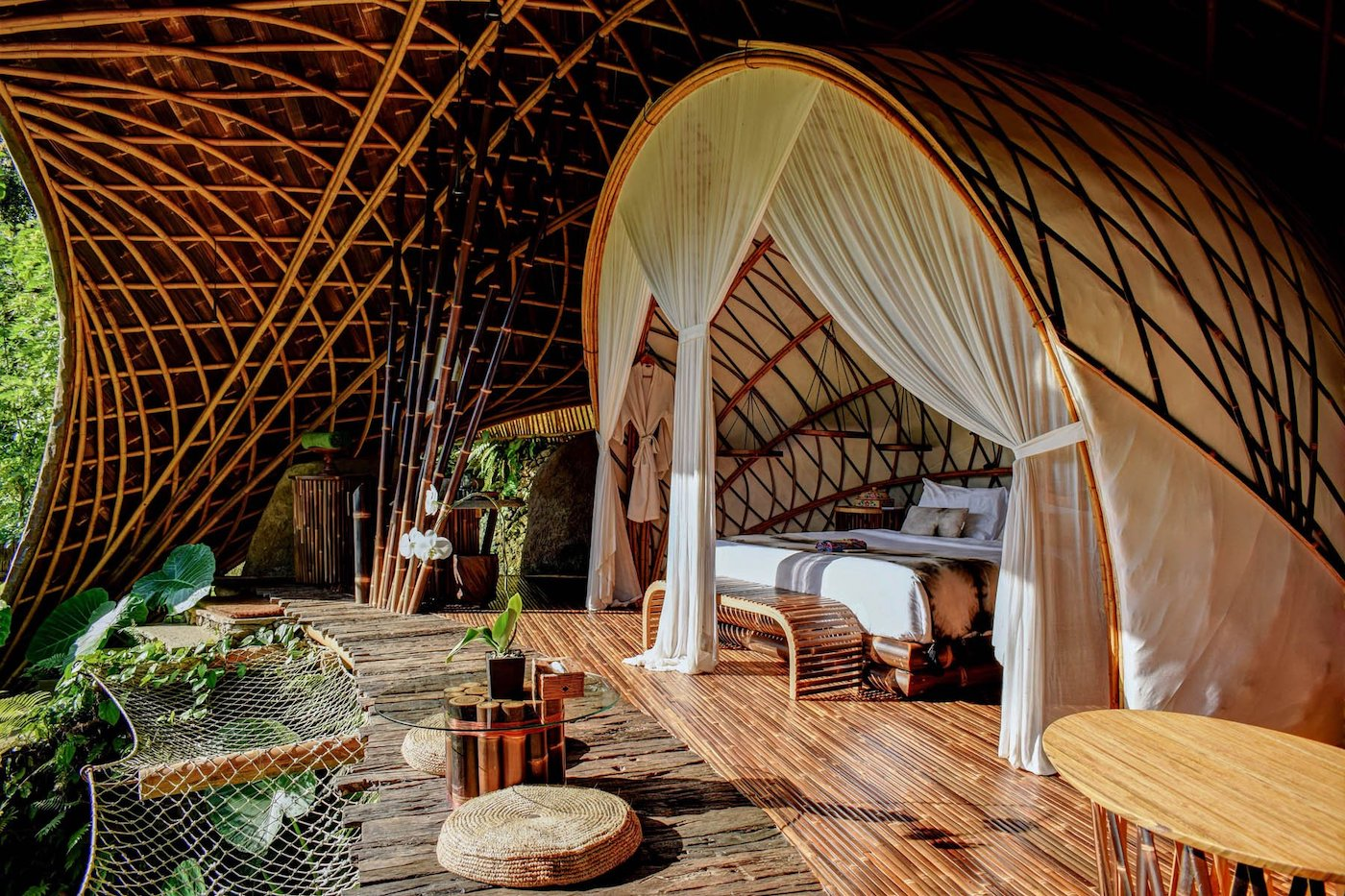
Not only are emerging areas becoming a trend in Bali tourism next year—sustainable travel is rising too.
This year, more travelers are willing to spend extra to make sure the activities, hotels, and villas they choose are committed to sustainability.
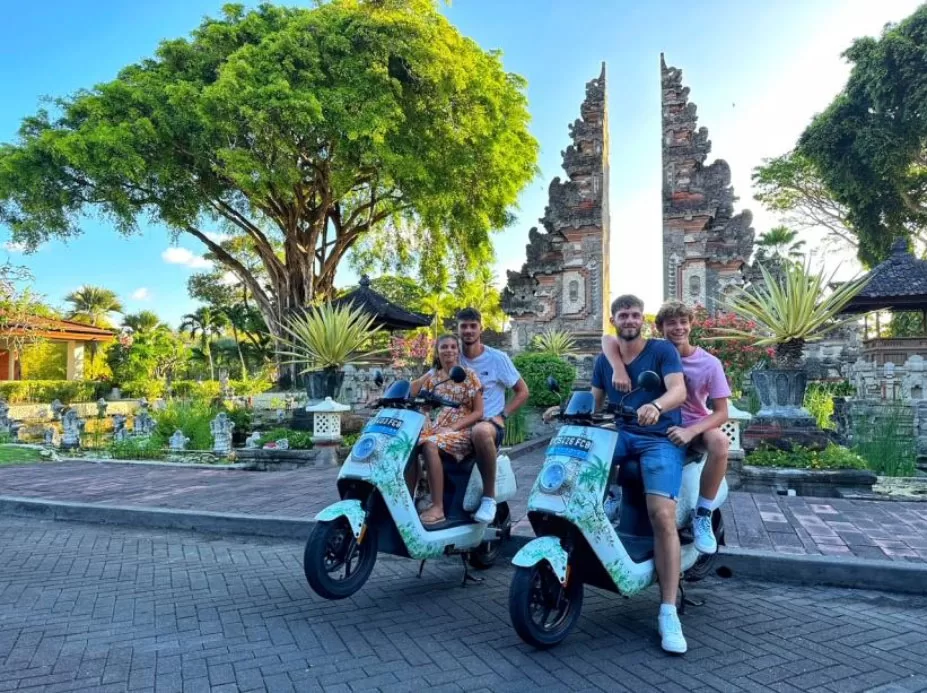
Many vehicle rental companies now offer electric scooters in Bali. Some tourist spots like Bedugul even provide electric bike and bicycle rentals, so visitors can easily explore the area.
Eco-friendly villas are also starting to generate higher returns. Green villas can earn up to 8% higher resale value compared to regular villas, and enjoy up to 75% lower utility costs.

How Bali’s 2026 Travel Trends Are Shaping Property Investment
As Bali’s tourism evolves in 2026, the property market is following closely behind. The shift toward slower travel, longer stays, and emerging destinations is creating new investment dynamics.
1. Emerging Hotspots & Value Zones
Locations like North Badung, Mengwi, and parts of East Bali are gaining momentum as both travel destinations and residential hubs.
These areas still offer relatively attractive entry prices, while benefiting from improving infrastructure and growing interest from long-stay visitors.
For investors, entering these value zones early can mean:
- Lower capital entry compared to saturated markets
- Strong upside as tourism and livability improve
- Less competition compared to established hotspots
2. Ownership Models and Accessibility for Foreign Buyers
Property investment in Bali is also becoming more accessible thanks to evolving ownership structures.
Today, models such as leasehold, right-to-use (Hak Pakai), and fractional ownership are playing a larger role, particularly for overseas investors who prioritize risk management and legal clarity over pure title ownership.
As regulations continue to tighten, transparent and compliant ownership models are becoming essential, helping investors protect their capital and avoid future risks.
3. Rental & Usage Trends Are Evolving
Rental demand is no longer driven purely by short holiday stays. Longer-term rentals from digital nomads, remote workers, and lifestyle migrants are increasingly providing a more stable income base alongside tourism demand.
Many investors now favor flexible rental models that allow:
- Personal use during certain periods
- Monthly or long-term leasing for steady income
- Reduced reliance on seasonal tourism
This approach allows you to build a more stable and resilient rental business.
4. Supply & Size Trends: Smaller Is Smarter
New development trends show a clear move toward smaller-footprint properties. One- and two-bedroom villas or apartments are becoming the preferred choice due to:
- Lower entry prices
- Easier management
- Strong demand from solo travelers, couples, and remote workers
At the same time, some data suggests villa construction growth may slow in the coming years, signaling a more mature and disciplined market, rather than unchecked oversupply.
5. Regulation, Sustainability and Long-Term Scarcity
Bali is tightening controls on land conversion, villa development, and environmental standards. New regulations and sustainability mandates may:
- Limit future supply in high-demand zones
- Increase the value of well-positioned, compliant properties
- Favor eco-friendly developments with proper permits
For investors, this means scarcity can work in their favor, especially when investing in legally sound, sustainably designed assets.
Conclusion
One of the biggest tourism trends in Bali for the coming year is where visitors choose to stay. Travelers are increasingly choosing quieter locations that offer privacy, nature, and a more personal experience.
At the same time, green tourism is growing. Demand for eco-friendly villas continues to rise.
From an investor’s perspective, 2026 presents a rare balance between affordability and long-term value. Investors who enter the market now—especially in under-developed segments—are well positioned to benefit from the next stage of Bali’s property cycle.
At Bali Villa Realty, we support foreign investors at every step. Book a free consultation here to get a free personalized investment plan.
FAQ
The best time is still the dry season (April–October), but with the rise of long-stay travelers, many visitors are now coming during quieter months like February or November. These off-peak periods offer cheaper villa deals, fewer crowds, and cooler weather in areas like Sidemen, Munduk, and Amed.
Absolutely. The 2026 travel trend focuses on slower, more meaningful experiences, which are perfect even for first-timers.
If you just want a short escape, 5-7 days is enough. But some other traveler can stay up to 1-3 month to explore each area better while doing remote work (this is become new norm lately)
Yes. Local people in those emerging areas are very friendly towards foreigners. But if you're still unsure about travelling by yourself, you can stick to official paths or hire local guides.