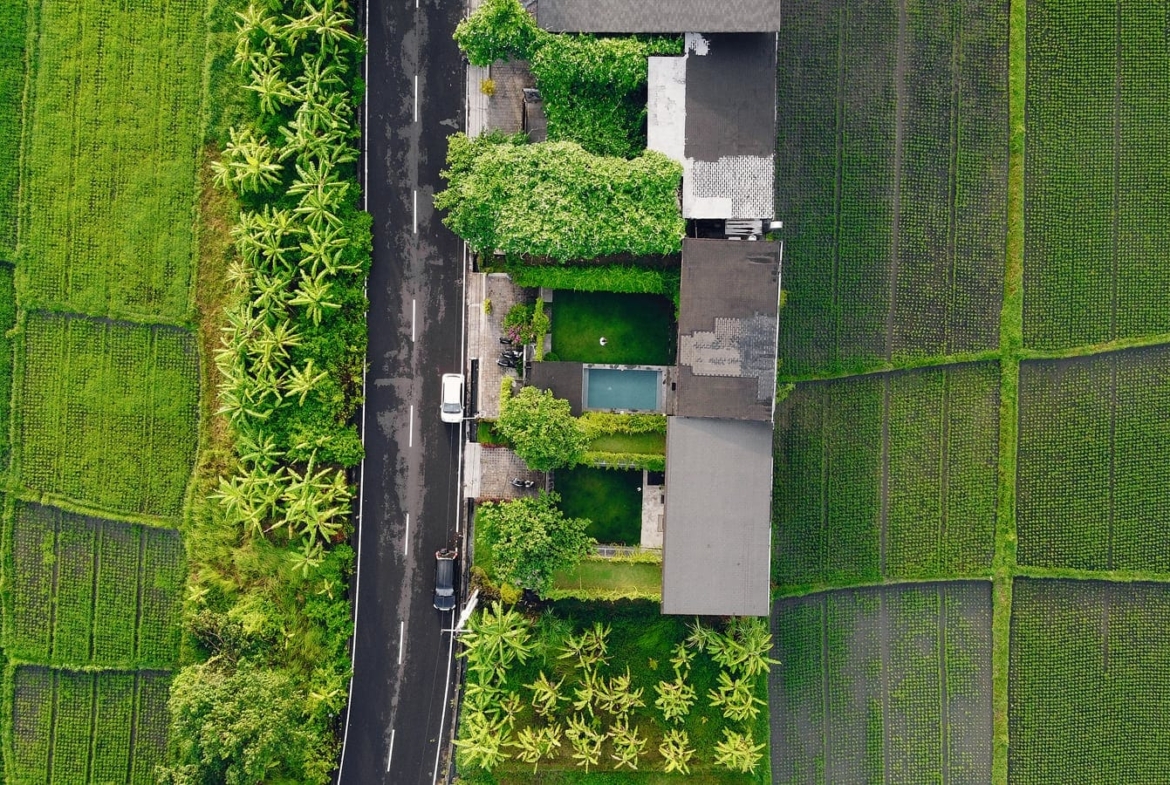
Not only villa or apartment, foreigners can also invest in Bali land legally.
The regulation of owning land here is similar to other type of property ownership, which is leasehold (25-30+ years), Right to Build (HGB) or Right to Use (Hak Pakai) through PT PMA.
However, investing in a land may require different approach compared to villa. Keep reading to learn everything you need to prepare before browsing available land to invest.

Can Foreigners Own Freehold Land in Indonesia?
Indonesian law does not allow foreigners to directly own land, or any other freehold property.
Full ownership (also called Hak Milik (Freehold Title)), is strictly reserved for Indonesian citizens. Any freehold title that goes to foreigners is invalid and the "acquired" land legally reverts back to the state.
This also becomes the base of why using nominee agreement is a risky bet.
Nominee local bisa mengambil aset yang kamu beli dengan mudah karena hak freehold tersebut secara hukum ada pada namanya. Jadi Tidak ada jaminan keamanan untuk propertimu.
Legal Options for Foreigner to Buy Land in Bali
- Hak Sewa (Leasehold): You lease land for a set period (e.g., 25-30 years), often with options to extend. Ini adalah jalan yang sering ditempuh expats karena lebih simpel dan memberikan keleluasaan untuk menggunakan properti yang dimiliki sebagaimana diinginkan.
- PT PMA (Foreign Investment Company) / Hak Guna Bangunan (HGB): Kamu bisa memiliki tanah di Bali dengan cara membangun PT PMA. Nantinya, perusahaan akan membeli tanah tersebut atas nama perusahaan. Dan kamu sebagai owner bisa memanfaatkannya. Kamu bahkan bisa mengajukan mortgage dengan model ini.
- Hak Pakai (Right of Use): You can use and occupy the land for a long-term period (typically 25 years, renewable for an additional 20 years). To qualify, you must have a valid stay permit such as a KITAS or KITAP.
Step by Step Buying Land in Bali as Foreigners
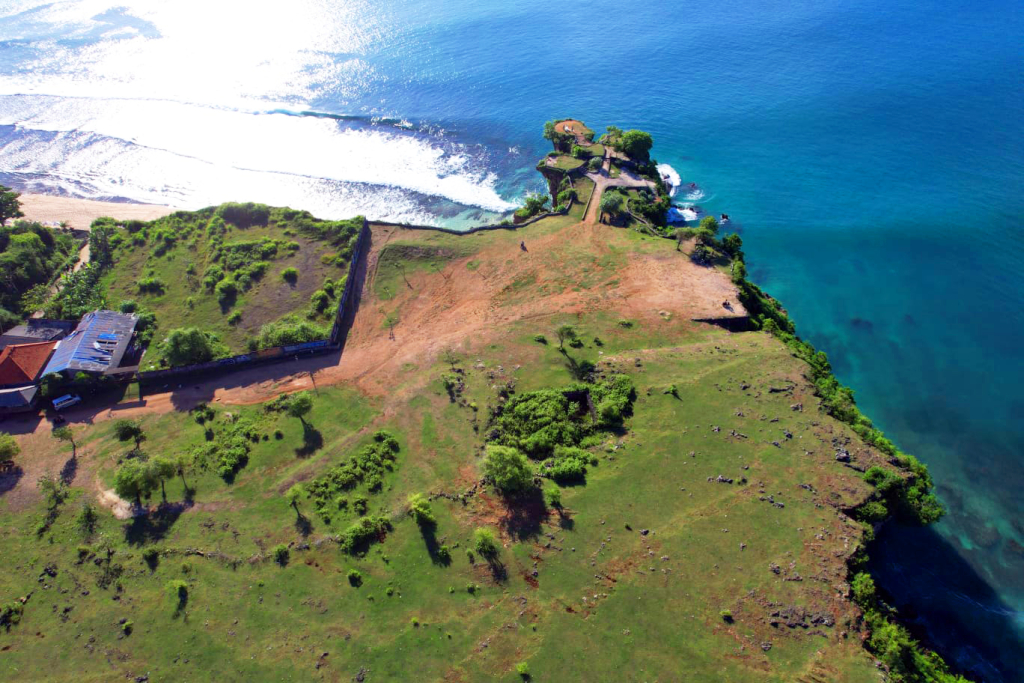
Buying land in Bali as a foreign investor is simple. These are the steps we take our clients through:
1. Do a Land Survey and Negotiation
Before making any decision, visit the land in person. Walk around the property and check the surroundings. Look at things like:
- Road access and nearby neighbors
- Land shape and topography
- Availability of utilities (water, electricity, internet)
- Environmental risks (such as sea erosion)
- What’s nearby (factories, plantations, tourist areas, etc.)
This will help you avoid problems later.
But if you are not in Bali yet, hiring a reputable property agent can be the best solution. Many expats choose this path. Your agent will find land based on your needs, conduct the survey, negotiate the land price with the owner, and handle the legal documents.
2. Getting Letter of Interest (LOI)
If both parties (you as investor and the land owner) agree on the basics, a Letter of Interest (LOI) is drafted. This document is handled legally through a notary, often with the support of your agent.
3. Make the Down Payment
The buyer pays a 10% deposit of the land price. This payment goes through the notary, who acts as a trusted third party.
4. Do a Legal Due Diligence Check
Before moving forward, the notary and the landowner will check important details:
- Land certificate and ownership
- Zoning (what the land can legally be used for)
- Building permits (PBG/IMB)
- Any other regulations that apply
5. Agreement Preparation
If everything is clear, the notary will draft a Sale and Purchase Agreement or a Lease Contract, depending on the type of ownership you choose. This contract includes:
- Final price and payment terms
- Renewal or extension conditions (for leasehold)
- Legal obligations and restrictions
6. Approval from Both Parties
The draft agreement is shared with you (buyer) and the land owner. If both sides agree with the terms, the process moves forward.
7. Signing and Final Payment
The investor and land owner sign the agreement at the notary office. The remaining balance is paid, and the notary makes the transaction official.
8. Handover
Finally, the land is officially handed over to you as the buyer. At this point, you can start planning your villa, home, or investment project.
The Growing Appeal of Bali’s Land Market

Bali continues to stand out as one of Indonesia’s most dynamic real estate markets, fueled by a booming tourism industry and steady foreign investment.
In 2019, the island welcomed more than 6 million international visitors. This massive influx of tourists created strong demand for accommodations, which in turn increased the demand for land.
Adding to this momentum, ongoing infrastructure projects—such as new roads and world-class attractions—have helped push land values upward year after year.
High ROI and Strong Long-Term Potential
Investing in land in Bali offers excellent opportunities for high returns. Land prices have shown steady growth annually, with certain high-demand areas recording jumps of 15–20%.
For long-term investors, this consistent appreciation makes land a powerful wealth-building asset.
Buying in emerging areas allows investors to secure land at lower prices today, then benefit from rising demand tomorrow—as seen in Canggu, where values have surged dramatically over the past decade.
Understanding these land titles is critical before signing any agreement. Always consult a qualified notary or legal advisor to ensure compliance with Indonesian property regulations, including taxes and renewal procedures.
Read More: Freehold vs Leasehold: Which Ownership Type is Right for You?
How Much Does Land Cost in Bali?
Based on our latest data and direct on-the-ground surveys, land prices in Bali are greatly influenced by location.
| Area Type | Location Examples | Leasehold Price (per are) | Freehold Price (per are) | Notes |
|---|---|---|---|---|
| Emerging Areas | Kaba-Kaba, Cepaka | 8–10 million IDR | 300–500 million IDR | Affordable entry point, strong future growth potential |
| Hotspot Areas | Canggu, Berawa | 35–50 million IDR | 1.5–3 billion IDR | High demand, limited supply, premium investment zone |
Land with good roads, utilities, and nearby stores and schools cost more. Plots near hospitals, international schools, and beaches sell for 20-30% higher prices.
There are also legal costs for expats buying land in Bali:
- Setting up foreign ownership: $3,000 – $5,000
- Fees for buying the land: $500 – $1,500
- Yearly property taxes: 0.5% – 2% of the land value
Read More: How Much Land Do You Need to Build a Villa in Bali?
Check Available Land in Bali
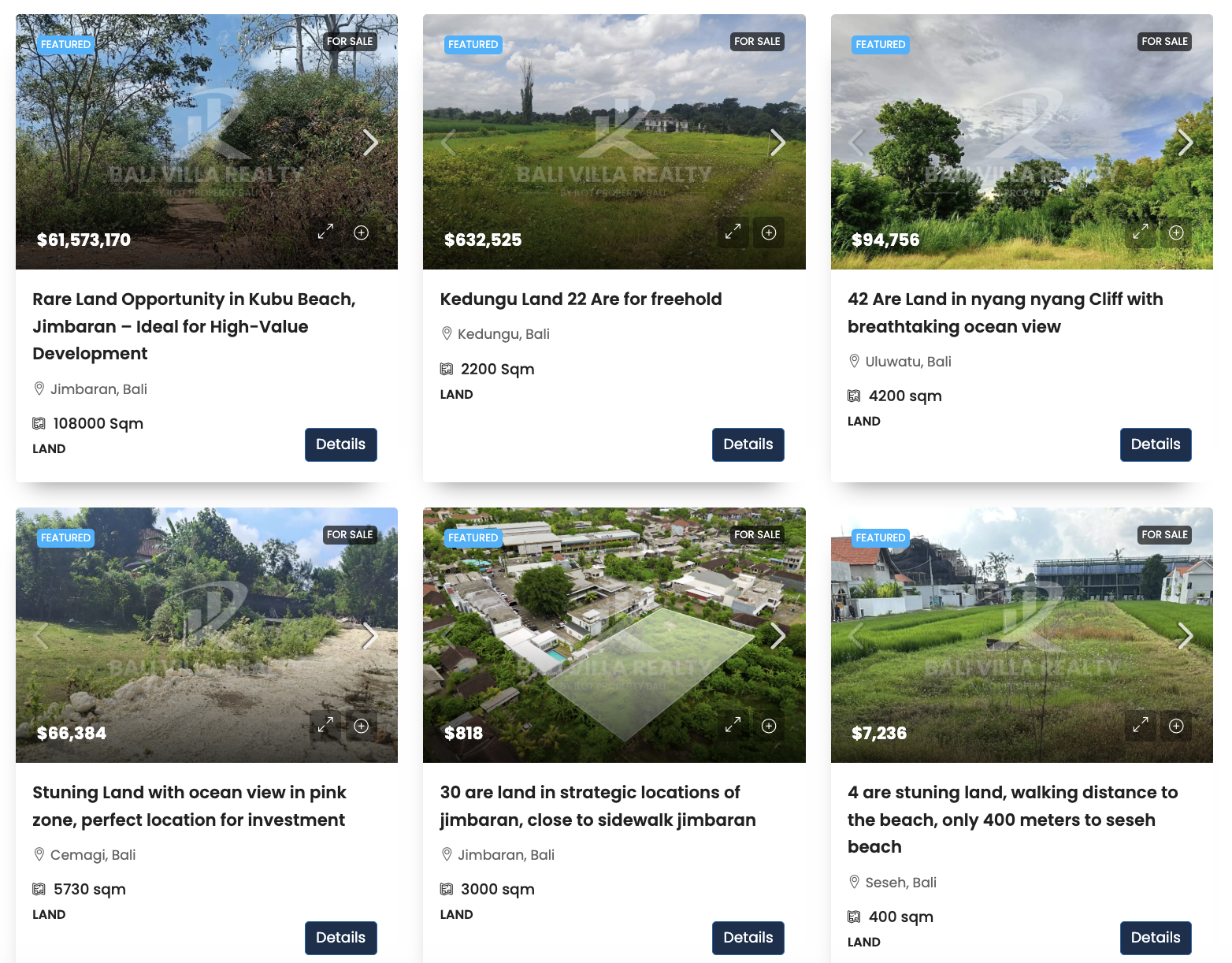
Looking for the perfect plot of land in Bali? You can explore the best land options in Bali from our extensive listings.
We cover land in both popular hotspots like Canggu, Seminyak, and Uluwatu, as well as in emerging areas that promise strong future growth in Bali.
Even if you’re not in Bali, our trusted agents are ready to guide you through the entire process seamlessly—from the first survey to the final handover.
You can also speak directly with one of our property experts for free, with no obligation.
Own land and ready to build? Check out our villa architecture service, too.
Things to Avoid when Buying Land in Bali
- Using Nominee Agreements: Illegal and risky. The land will legally belong to the Indonesian nominee, leaving you with no real protection.
- Skipping Due Diligence: Never buy land without checking certificates, zoning, and building permits. You could end up with land you cannot use.
- Ignoring Zoning Rules: Each plot has specific zoning (residential, commercial, tourism). If you ignore this, you may not be able to build what you want.
- Not Using a Notary: A licensed notary ensures contracts and payments are legal and safe. Skipping this step can cause serious problems.
- Trusting Verbal Promises: Always put agreements in writing. Relying on verbal deals can lead to disputes and financial loss.
- Underestimating costs: Additional costs like taxes, permits, and fees can add up. Make sure you factor these into your budget.
Conclusion: Buying a Land in Bali as Foreigner is Easy!
Buying land in Bali can offer many opportunities, whether you’re thinking about building a dream villa, creating a rental business, or securing a long-term asset.
Sure, foreigners can buy land in Bali legally—but it requires careful planning and proper due diligence. With the right approach, you can invest safely while maximizing long-term profits.
If you’re not in Bali, new to the process, or simply don’t want the stress of navigating complex regulations, Bali Villa Realty by ILOT can guide you every step of the way.
Our experienced land agents and legal team will help you secure the right plot in any area that fits your goals. You can also request tailored recommendations and ROI calculations to make smarter investment decisions.
Ready to take the next step? Contact us anytime for free