If you’ve spent time in Bali, you’ve probably heard the word "banjar" come up in conversations about community, rules, or local culture.
More than just a term, the banjar is a grassroots system that maintains harmony, guides cultural practices, and influences how neighborhoods function across the island.
For anyone planning to live in Bali — whether short-term or long-term — understanding how the banjar operates will help you integrate respectfully and navigate local expectations smoothly.
This article will guide you through everything you need to know about banjar, especially how it impacts investors, villa buyers, and long-term tenants staying on the island.
Key Takeaways
- A Banjar is the smallest local government unit in Bali, managing community harmony, cultural traditions, and neighborhood affairs.
- There are two types of Banjar: Banjar Adat (cultural & religious matters) and Banjar Dinas (administration, documents, community rules).
- Foreigners cannot become members, but villa owners and long-term renters must still follow Banjar regulations, report residency, and may be required to pay monthly community fees.

What Is a Banjar?

A Banjar in Bali essentially means a "neighborhood". It's the smallest unit of local governance on the island.
Banjar functions as a community council and village authority, separate from the police, and plays an important role in maintaining cultural and religious traditions within the community.
It's including helping organize ceremonies, settle local matters, and ensure harmony among residents
Every area in Bali has its own Banjar, and its members are typically married men who reside in the area.
But if you live in Bali—whether as a foreigner or a long-term renter—you still have an obligation to respect and follow Banjar customs.
This usually includes reporting your residency and contributing small community fees.
You’re not considered an official member like local residents, but you are still part of the environment they manage.
Read More: Rent a Villa in Bali Monthly or Yearly: Which One is Better?
Types of Banjar in Bali
Bali recognizes two main forms of Banjar administration:
- Banjar Adat: Handles matters tied to traditions—such as religious ceremonies, cultural regulations, and customary Balinese law.
- Banjar Dinas: Focuses on civil affairs and government-related tasks, including village administration and the issuance of documents like birth, marriage, and death certificates.
Most areas in Bali have both types of Banjar, working side by side unless the roles are combined under one leadership structure.
Although both types matter in everyday life in Bali, foreign villa owners and tenants generally deal more with Banjar Dinas for fees, community rules, and event arrangements.
In addition, many Banjars maintain their own Gamelan ensembles and traditional dance groups, which take part in community ceremonies and cultural celebrations.


How the Banjar System Operates
A Banjar is led by a figure known as the Klian Banjar, who is chosen by community members and traditionally confirmed through a spiritual medium.
Although the role carries authority and responsibility, the leader is not paid a formal salary. Instead, he may receive symbolic offerings such as rice or goods.
Today, however, many Klians also hold jobs or run businesses to sustain their families.
Members gather for village discussions in the Bale Banjar, a community pavilion located near the village temple (pura desa). This is how the building looks:
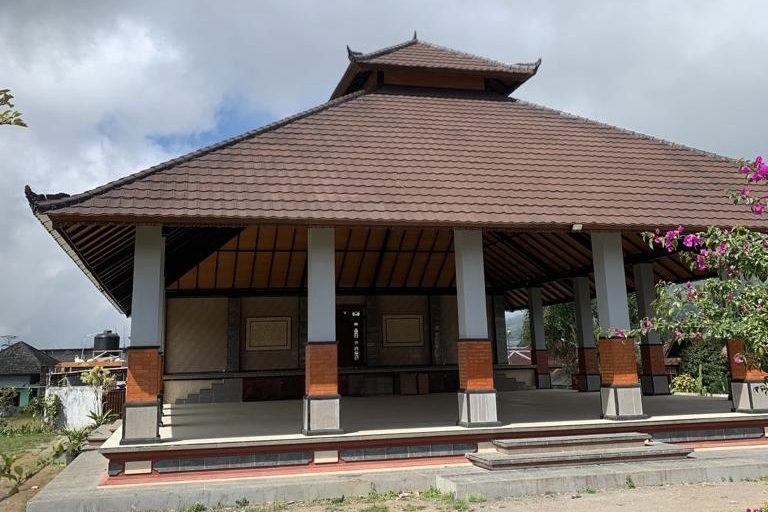
A single Banjar may include 50 to 200 household heads, who typically attend meetings wearing traditional black-and-white checkered sarongs.
Read More: Bali Belly Explained: Meaning, Symptoms, and How to Cure It Fast
Duties and Responsibilities of the Banjar
The Banjar acts as the first point of authority within the community.
If a crime or disturbance occurs—such as theft, vandalism, or any public misconduct—residents can report it directly to the Banjar.
They can investigate, mediate local disputes, and impose community-level penalties when needed.
If you plan to host a large gathering such as a wedding, party, or commercial event, you are required to obtain approval from the Banjar.
An event contribution fee is also usually applied, with the amount depending on the location, event size, nature of the activity, and any special arrangements requested.
Their role goes beyond granting permission. The Banjar helps ensure events run smoothly by coordinating security (often through Pecalang, the local Bali police), organizing traffic, protecting cultural and religious sensitivity, and managing noise levels to prevent disturbances.
Once fees are paid and event details are discussed, the Banjar will review the request, and if approved, provide support throughout the event.
Who Can Become a Banjar Member?

Banjar membership is exclusive to Balinese locals, which means foreigners and non-Balinese residents cannot join.
For Balinese men, joining the Banjar becomes an obligation once they are married.
Refusing to participate is seen as going against community norms and may be frowned upon or considered disruptive to village harmony.
A Banjar member represents his entire household, so the family is indirectly included, even if they do not actively participate.
Men attend meetings and speak on behalf of the family, while women typically contribute through supportive roles within community life.
How the Banjar System Affects Foreign Villa Owners and Long-Term Renters

When you rent a villa in Bali as a foreigner, the local Banjar may ask you to contribute a monthly community fee. These funds help support the community, including:
- Ceremonies and temple activities
- Local area maintenance
- Security (Pecalang)
- General community operations
The amount varies from one Banjar to another, depending on the location and community needs.
Besides that, keeping a positive relationship with the banjar will help you:
- Maintain good relationships with neighbours
- Prevent noise or disturbance complaints
- Manage parking and access smoothly
You don’t become a formal member, but you’re living in their community, and they appreciate awareness and respect.
Read More: Is Bali a Safe Place to Live? 5 Tips for Risk-Free Villa Purchase in Bali
Conclusion
Whether you’re buying a villa, investing in Bali property, or renting long-term, the banjar will naturally become part of your life in Bali.
The good news is, foreigners no longer have to handle every banjar requirement on their own.
If you rent or buy a villa through Bali Villa Realty, our local agents will assist you directly with the process and manage the coordination on your behalf.
If you’d like guidance or want to discuss your plans, book your free, no-obligation consultation here. Let our team guide you through every step with clarity and confidence.
FAQ
1. What administrative level is a Banjar in Bali?
2. What is a Bale Banjar in Bali?
3. What is a Banjar fee in Bali?
4. Can the banjar stop villa construction or renovations?
While they cannot replace government permits, they can issue objections if the community is affected.
5. What happens if a villa owner doesn’t follow banjar rules?
6. Do guests staying in my villa need to register with the banjar?
The process is usually quick and can be handled by your local villa staff or property manager.