Key Takeaways
- Bali has evolved into a global wellness hub, creating a strong and long-term wellness business opportunity for foreign investors.
- Bali wellness retreats, detox programs, and digital detox concepts often outperform traditional spas due to longer stays and higher guest spending.
- Wellness travel in Bali is less seasonal and less price-sensitive than regular tourism, offering more stable demand.
- Legal setup requires a PT PMA structure, correct KBLI codes, and compliance with OSS risk-based licensing.
- January is a peak month for wellness business, driven by health resets and long-stay wellness travelers.
Bali is no longer just a holiday island. Over the last few years, it has become one of the world’s strongest wellness destinations and a clear wellness business opportunity.
People now come to Bali to slow down, heal, reset, and take care of themselves, not just for beaches and parties.
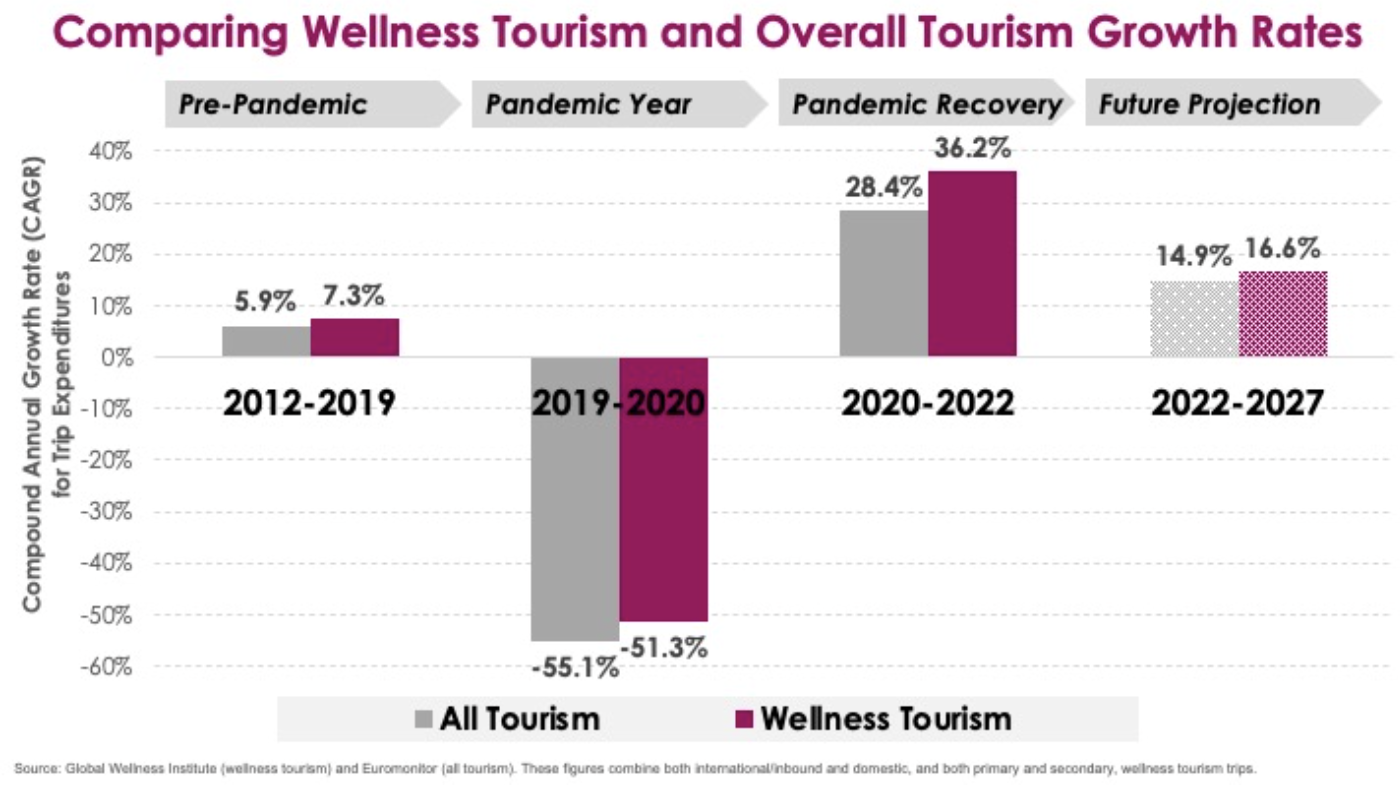
Wellness tourism has grown faster than the overall tourism industry for over ten years, expanding at a rate 27% higher, based on the Global Wellness Institute’s 2024 report.
This shift creates a clear wellness business opportunity for foreigners who want to invest in Bali safely and long term.
Today, we’ll explain everything you may want to know about this opportunity, including what types of wellness businesses perform best and the steps to invest in this space.

Why Bali Is a Global Wellness Hub

Globally, the wellness economy is experiencing exponential growth, according to the Gaivo report (2025). Indonesia, and specifically Bali, captures a significant and growing share of this market.
Modern travelers are increasingly seeking deep, transformative experiences beyond conventional leisure.
Demand for detox programs, spiritual retreats, sustainable living, and personalized health optimization continues to grow, especially in destinations known for "Healing Bali" experiences like Ubud.
Bali, with its spiritual traditions (Tri Hita Karana), has a rare mix that wellness travelers actively look for:
- Tropical nature (jungle, ocean, rice fields)
- Strong spiritual culture and arts
- Advanced hospitality infrastructure
These elements strongly position the island in global demand, making it easier to capitalize on the sector
Also, unlike regular tourism, wellness travel is less seasonal, less price-sensitive, and more focused on experience rather than pure luxury. This makes wellness businesses attractive for investors who want stable demand, not hype-based income.
Read More: Most Profitable Business to Invest in Bali for Foreigners (2026 Update)
What Wellness Travelers Actually Want in Bali
Many people still think wellness is simply a spa. That’s not entirely true.
Today’s wellness guests are not just spa lovers looking for the best spas in Bali. They are:
- Burned-out professionals
- Remote workers taking long breaks
- People doing mental or physical resets
Here’s what they actively search for.
1. Small Wellness Retreats
Smaller wellness retreats usually combine a large villa (for example, 6 bedrooms properties) with yoga, breathwork, meditation, or nutrition programs.
These Bali wellness retreats often perform better than large luxury resorts, which are expensive to operate, because they still offer privacy, personal attention, a sense of community, and lower operational costs.
Browse Investment-Ready Villas for Wellness Retreats
2. Bali Detox Retreats
Bali detox retreats attract guests who stay longer and spend more. These programs often include:
- Clean food programs
- Juice fasting or light detox
- Body treatments and guided routines
This type of business also works well and is easier to manage due to prepaid packages and predictable lengths of stay. For example, you can offer a 30-day detox and body treatment program with guided routines.
You can also expand this model by adding villa services, allowing you to offer detox programs to both renters and non-renters (people who join the program without staying at the villa).
3. Digital Detox Bali
More travelers want to disconnect from screens. Digital detox in Bali is a growing concept that removes constant connection and encourages guests to be more grounded.
This works especially well in:
- Jungle or rural locations
- Quiet coastal areas
- Wellness-focused villages
This niche performs well in quieter areas and does not rely on nightlife or busy locations, allowing you to start with lower costs.
One well-known business using this concept is Bali Time Chamber in Ubud.
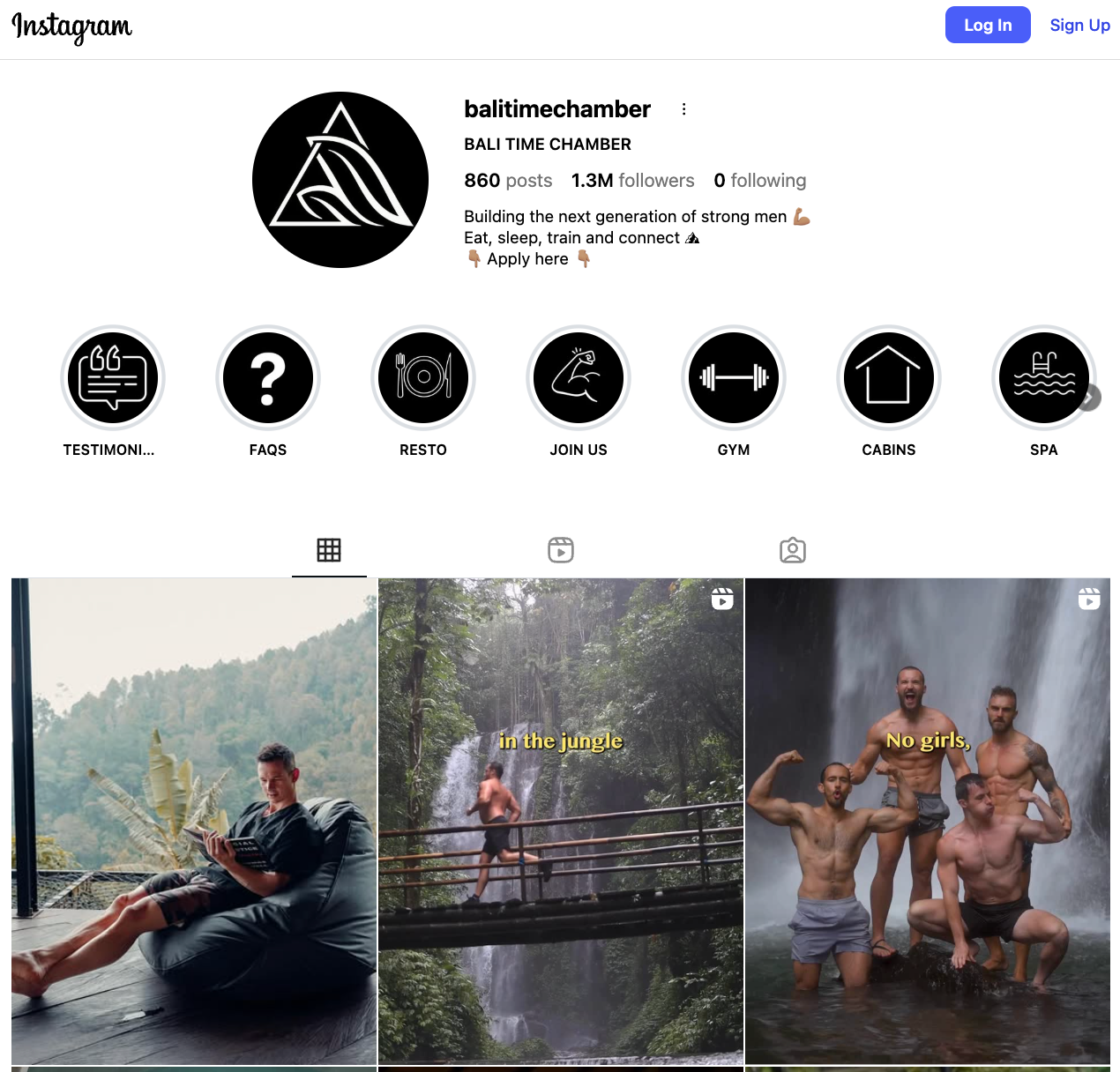
They market their service as a no-distraction retreat for men only, where selected guests are challenged to improve themselves through digital detox Bali programs, nutrient-focused food, gym sessions, and structured training over several days.

Legal and Licensing Basics for Wellness Businesses in Bali
Before opening a wellness retreat or wellness service in Bali, the first thing you must understand is the legal structure and licensing rules.
Business Structure: PT PMA
Foreigners can legally run a business in Bali through a PT PMA (foreign-owned company) structure.
Many tourism and hospitality sectors in Indonesia are now open to 100% foreign ownership. However, some activities within the wellness sector—such as traditional healing services, certain spa treatments, or health-related programs—may still have:
- Minimum capital requirements
- Special operational licenses
- Technical approval from specific ministries
Because of this, compliance is non-negotiable for any PMA operating in Bali.
The OSS Risk-Based Licensing System (RBA) for Wellness Business
All investment and business licensing in Indonesia is handled through the Online Single Submission (OSS) system. This system follows a Risk-Based Approach (RBA) under Government Regulation No. 5 of 2021.
Wellness retreats usually fall under:
- Accommodation services
- Wellness, recreational, or health-related services
Each business activity is assigned a risk level: low, medium, or high. Your risk level determines what licenses you need:
- Low risk → Business Identification Number (NIB) only
- Medium to high risk → Additional operational and technical permits
Choosing the correct KBLI codes (Indonesia’s business classification system) is critical. The wrong code can delay approvals or make your business illegal from day one.
Other Wellness-Specific Regulations You Must Follow
Beyond the general investment laws, wellness businesses in Bali must also follow specific technical rules.
These rules usually come from two main authorities:
- Ministry of Tourism and Creative Economy (for hotels, resorts, and retreats)
- Ministry of Health (for spa services and complementary or wellness treatments)
For example, Minister of Tourism Regulation No. 17 of 2016 regulates how spa businesses are registered and operated. This applies to both standalone spas and retreats inspired by the best spas in Bali.
Investors must ensure that their facilities, services, and staff certifications meet the technical standards set by these ministries. This is essential to operate legally and to maintain proper quality standards for a wellness tourism business in Indonesia.
How to Run a Wellness Business in Bali
1. Getting the Business Identification Number (NIB)
The NIB is the main identity of your PT PMA. You apply for it through the OSS system after submitting:
- Company deed
- Tax number (NPWP)
- Investment plan
For a wellness retreat in Bali, common KBLI codes include:
- 5510 (Accommodation / hotels)
- 8690 (Health-related services)
- 9324 (Recreational activities)
The selected KBLI codes define what your business is legally allowed to do and what additional permits you must obtain. The NIB also functions as an Import Identification Number (API) and a Customs Access Number (NIK).
Free PDF: Bali Real Estate Investment Guide for Foreigners
2. Operational License and Construction Permits
If your project involves buildings—which almost all wellness retreats do—you will need additional approvals. These may include:
- Izin Usaha (Operational License), depending on risk level
- PBG (Persetujuan Bangunan Gedung), formerly IMB, for construction approval
Environmental compliance is also required. Under Government Regulation No. 22 of 2021, projects must obtain an Environmental Permit (Izin Lingkungan) before construction and operations can proceed.
Without these approvals, your retreat cannot legally operate.
3. Ongoing Compliance After Opening
Once your wellness retreat is running, compliance does not stop. All PT PMA companies must submit a Quarterly Investment Activity Report (LKPM) to BKPM.
This report shows:
- Capital usage
- Business progress
- Operational activity
Missing LKPM submissions is a common mistake and can lead to warnings, operational issues, and, in serious cases, temporary suspension of the NIB. Regular reporting keeps your investment legally protected and in good standing.
4. Staffing Rules for Wellness Retreats
Indonesian law requires PT PMA companies to prioritize local workers and provide training and skill transfer. PT PMA companies may hire expatriates, but only for roles that cannot yet be filled by local staff.
The “knowledge transfer” requirement should be planned into your budget from the start. For wellness retreats, investing in local staff training also improves service quality and guest experience.
To employ an expatriate, the process includes:
- Approval of a Foreign Worker Utilization Plan (RPTKA) through the Ministry of Manpower
- Application for KITAS and work authorization after RPTKA approval
- All applications are linked to the company’s NIB. Expat roles must be strategic, clearly justified, and limited in number.
Peak Timing for Wellness Business in Bali

While wellness businesses tend to be stable throughout the year, there is a peak period when many visitors actively seek wellness services: January.
January is often associated with the “new year, new me” mindset, when people focus on health goals, fitness, and lifestyle changes.
It is also considered the right time to reset after the indulgent holiday season in December, making January one of the strongest months for bookings.
Read More: Digital Nomad Bali Guide: Visa, Tips & Best Location for Global Workers
Conclusion
Wellness businesses that include stays, programs, or memberships usually perform better in the long run in Bali.
They often combine accommodation or villas with wellness services or structured programs such as yoga, pilates, private gyms, digital detox, healing-focused retreats inspired by traditional Balinese medicinal concepts. This approach has been proven to increase length of stay and total spending per guest.
You can now start investing in a wellness retreat business with Bali Villa Realty. We offer a range of villas suitable for wellness businesses, along with end-to-end support, from property selection to PT PMA setup.
Book a free consultation with our senior advisor and start investing smart, together.