
Key Takeaways
- Bali land zoning determines what you can legally build and how a property can be used, making it one of the most important checks before buying land or a villa.
- Bali’s zoning system is color-coded, with six main zones (Green, Yellow, Pink, Red, Orange, and Conservation), each described as follows:
| Zone Name (EN / ID) | Main Use | Explanation |
|---|---|---|
| Green Zone (Zona Hijau) | Agriculture & protection | Usually rice fields, farmland, or protected green space. Building is heavily restricted. |
| Yellow Zone Bali (Zona Kuning) | Residential | Residential land where homes and villas are typically allowed, but still subject to local rules. |
| Red Zone (Zona Merah) | Commercial | Areas for shops, offices, restaurants, and other business activities, with local requirements. |
| Pink Zone (Zona Merah Muda) | Tourism business | Tourism-focused areas where villas, hotels, and resorts may operate, depending on local rules. |
| Orange Zone (Zona Oranye) | Mixed-use | Allows both residential and business activities in the same area; rules vary by location. |
| Conservation Zone (Zona Konservasi) | Environmental protection | Protected areas where development is restricted to preserve nature, ecosystems, or heritage. |
- The fastest way to check zoning is using the official GISTARU map (gistarubali.id), but this should always be followed by written confirmation from a notary or consultant.
- Investing, buying or building in wrong zoning can lead to serious consequences, including permit rejection, project delays, resale difficulties, financial loss, or even demolition.
Ever pictured owning a quiet Bali villa near rice fields, or a beachside property for a boutique stay?
Before you fall in love with a location, there’s one thing you should check first: Bali land zoning.
Land zoning in Bali determines what you can legally build and how a property can be used. It’s also one of the fastest ways to avoid costly investment mistakes.
In this guide, we explain the different zoning types in Bali, their key characteristics, and how foreign buyers can check zoning properly to make sure their land investment is safe.

What is Land Zoning in Bali, and Why Does it Matter?
Land zoning is an urban planning system regulating land use.
Zoning rules help protect farming areas, nature, and cultural sites in Bali, while also guiding where housing and tourism can grow. It determines:
- What the land can be used for (farm, home, business, tourism)
- What type of building is allowed
- Whether permits like PBG (building approval) are possible
If zoning is wrong, your investment can get stuck and cause profit loss.
Worse, your villa project can be delayed, become almost impossible to resell (as buyers are now becoming more aware of regulations), or even be demolished by the authorities.
Always remember that wrong zoning = big permit problems in the future!
Read More: Bali Real Estate Market 2026: A Shift Toward Realistic Investment
Types of Zoning Zones in Bali
One of the easiest things about Bali’s zoning system is its color-coded maps, like the one below:
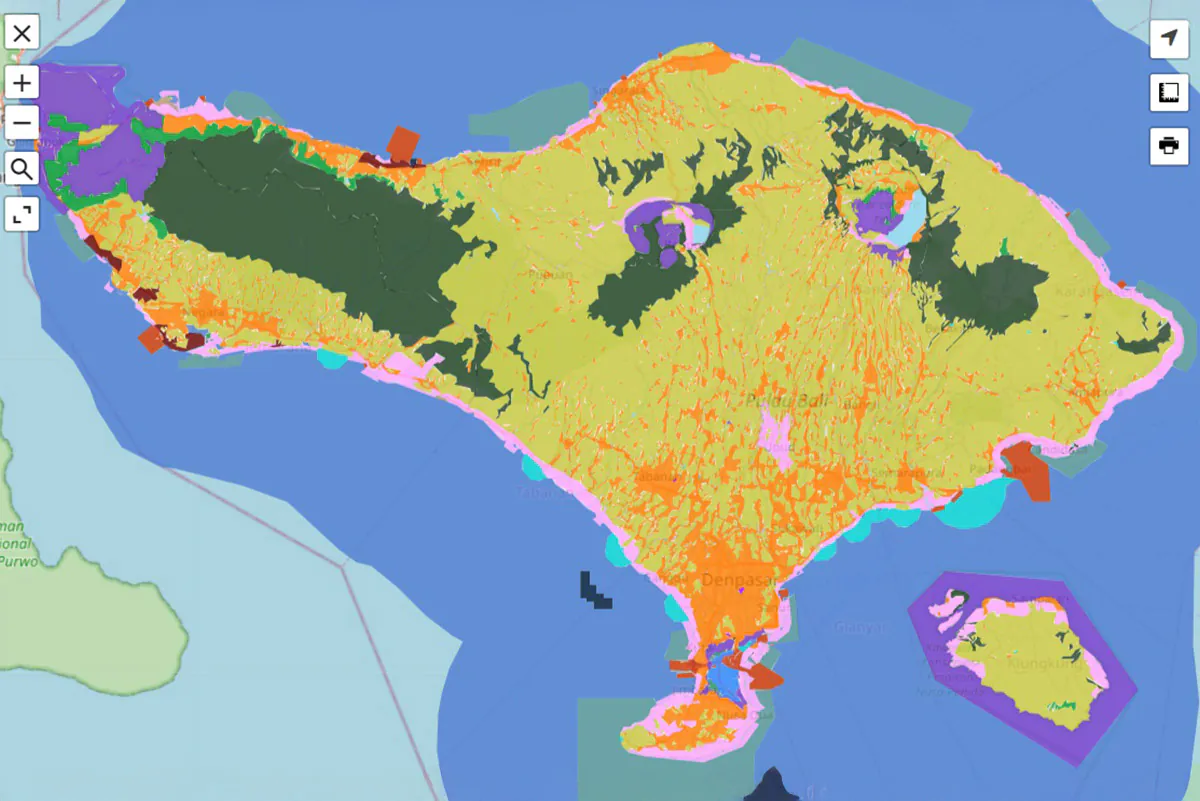
In total, there are 6 bali zones you’ll hear about most often (with the Bahasa Indonesia terms many maps use). Here are all of them:
1. Green Zone (Zona Hijau) - Agricultural Land
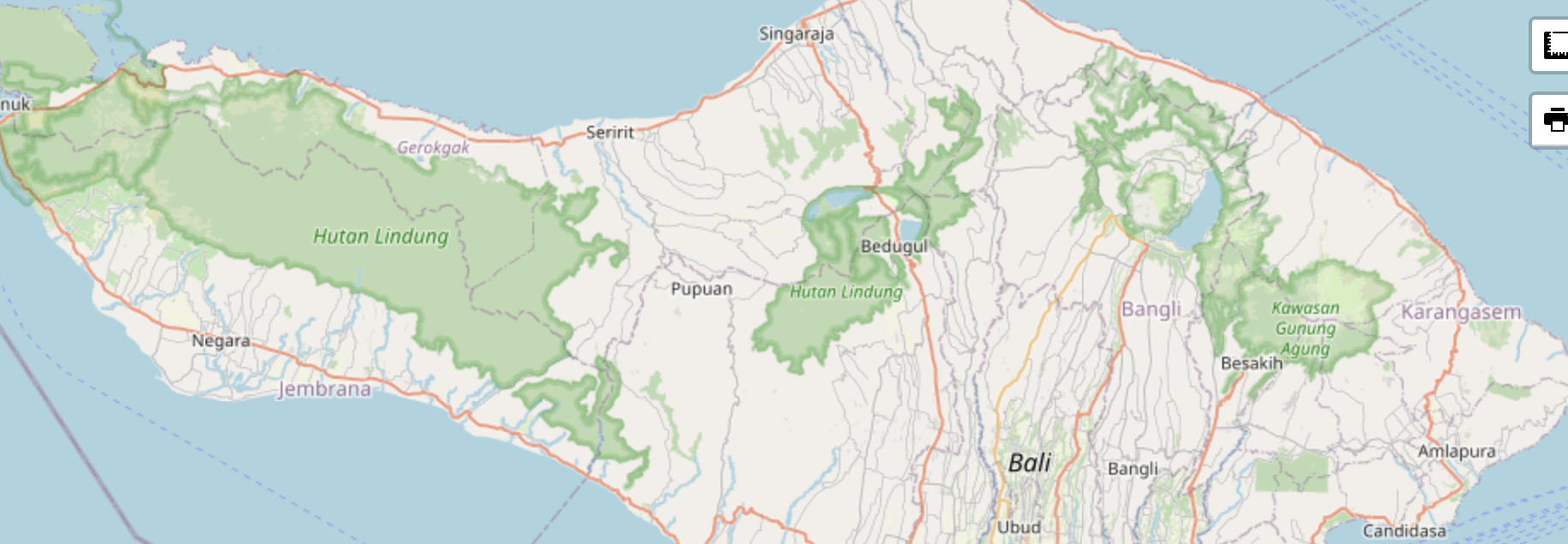
Green Zones are parts of Bali where building activity is tightly limited. The goal is to protect farmland, natural scenery, and the island’s environmental balance.
These areas help keep ecosystems healthy, support wildlife, and preserve open green space that locals and visitors enjoy.
If you’re thinking about buying land, a villa, or making an investment in a Green Zone, we suggest you forget that idea. Deals in Green Zones can carry major legal and permit risk.
There have been real cases where developments faced serious problems because they didn’t match zoning rules. If someone builds without proper permission, the consequences can be severe, including legal penalties, large fines, and demolition.
Any permitted structures for green zone usually must be directly related to agriculture or conservation.
Examples of activities that may be possible (with strict approval, and depending on the exact location and rules):
- Small agricultural structures: simple facilities tied to farming needs (like storage or irrigation-related structures).
- Low-impact eco-projects: certain eco-focused initiatives may be considered if they meet strict sustainability requirements and do not damage the land.
Be Careful with Green Zone Conversion Service
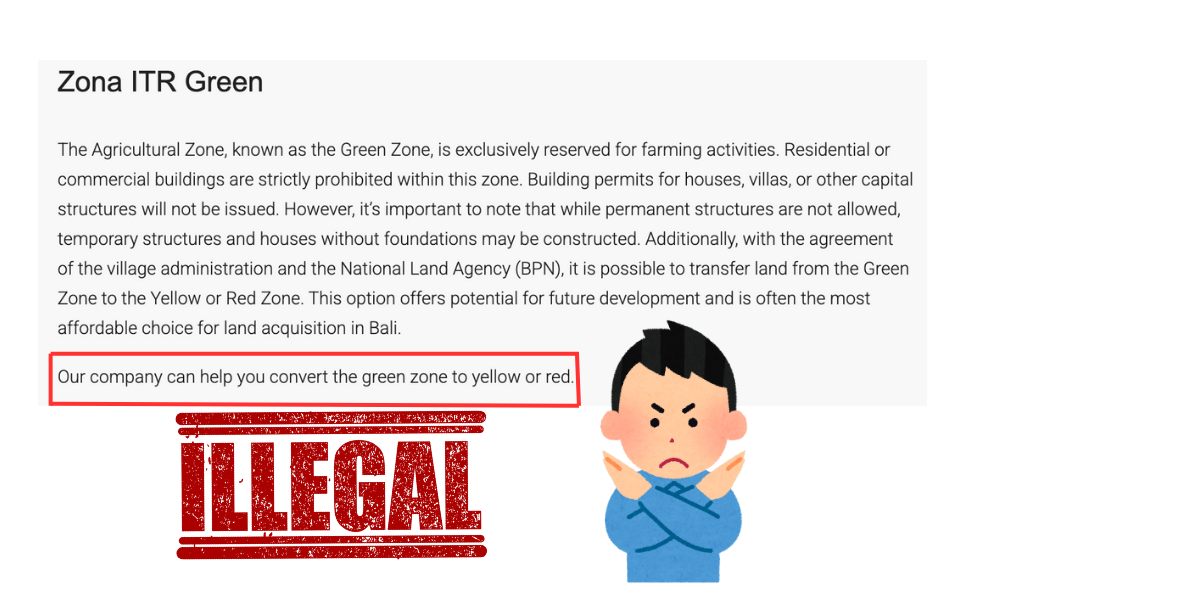
There are some services that promise to “convert” Green Zone land into buildable land. But we want to warn you that this activity are considered illegal and extremely risky.
In fact, converting green status is a slow process and often not legally guaranteed. Many conversions never get final approval, even after money is paid.
Relying on these services can lead to permit rejection, financial loss (scam), or forced demolition later by the authorities.
Examples of Green Zone areas in Bali
- West Bali National Park (Bali Barat): A large protected region with varied ecosystems such as mangroves, forests, and savannah areas, known for rare wildlife.
- Sacred forest areas like Ubud Monkey Forest: Protected green space that also carries cultural importance and managed tourism.
- Jatiluwih Rice Terraces: A famous cultural landscape maintained through traditional Subak irrigation systems.
Read More: Can Foreigners Buy Property in Bali? Full Guide for You
2. Yellow Zone (Zona Kuning) - Housing or Residential Areas
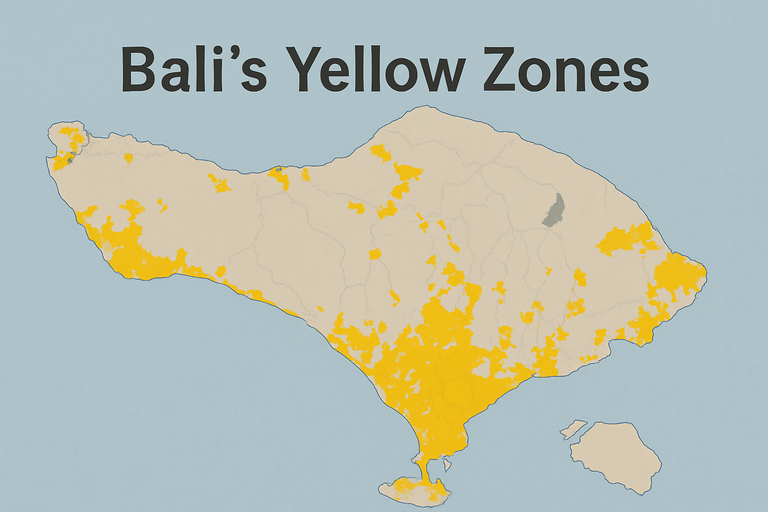
Yellow zone Bali refers to land set aside mainly for housing. This is where most villas and homes are built, and it’s usually the first zoning residential buyers look for.
These areas are planned to support steady growth while keeping neighborhood comfortable and livable.
In practice, some Yellow Zone land is still used for farming. These lands can be converted for residential use later, but this depends on local rules and approval from the authorities.
Building rules can also vary by area. Some Yellow Zones allow higher building density, while others are more limited. You may also find different legal land rights involved, depending on how the property is owned or used, such as leasehold arrangements or building-use rights
Because of this, it’s always best to check local regulations—like road access, setbacks, building height limits, and permit requirements—before you start building.
Examples of Yellow Zone areas in Bali
- Canggu / Pererenan: Popular areas with lots of residential developments, villas, and private homes.
- Dalung & Kerobokan: Well-known suburban areas filled with residential villas and housing communities.
- Jimbaran: Offers quieter residential neighborhoods, ideal for private homes.
- Ubud Suburbs: The areas around central Ubud that are mainly set aside for housing and low-density living.
- Sanur: A mixed-use area, but home to several eco-friendly and residential-focused developments.
Read More: Invest in Ubud: Best Locations for Profitable Property Investment
3. Pink Zone (Zona Pink) - Tourism Areas
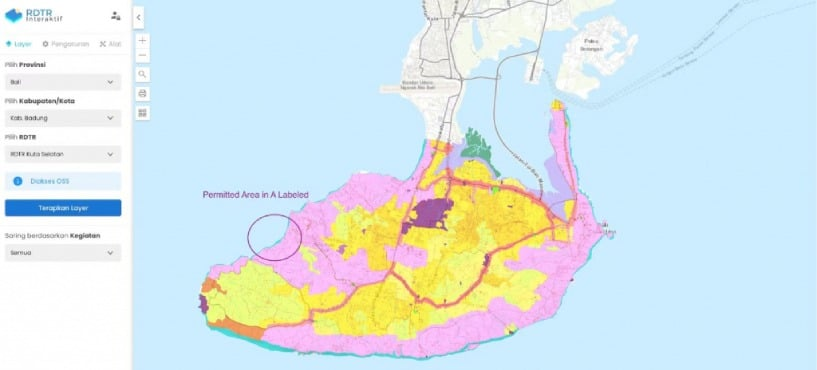
The Pink Zone (“Zona Pariwisata”) is set aside for tourism-related use and plays a big role in supporting Bali's visitor economy. If your plan involves hospitality or short-term rentals, this is usually the zoning people look for.
Common types of businesses allowed in tourism areas include:
- Accomodation: hotels, resorts, guesthouses
- Food & Beverage: restaurants, cafes, bars
- Recreation: theme parks, water parks, and cultural centers
One unique feature of Pink Zones is their location. These areas are often close to major tourist attractions, beaches, cultural sites, and entertainment hubs.
Pink Zones also come with specific rules. Heavy industrial activities—such as warehouses or manufacturing plants—are not allowed. The focus is on tourism, not industry.
It’s also important to note that not every tourism-related project is automatically approved. Larger developments, such as resorts, beach clubs, or commercial villa projects, may still require additional permits or special approvals before construction or operations can begin.
Examples of Pink Zone areas in Bali
- Coastal & Tourist Hubs: Kuta, Seminyak, Nusa Dua, Canggu, and parts of Uluwatu are well-known Pink Zone areas with many hotels and villas.
- Cultural & Entertainment Areas: Locations near temples or lively nightlife zones are often designated as Pink Zones to support visitor activities.
4. Red Zone (Zona Merah) - Commercial Areas
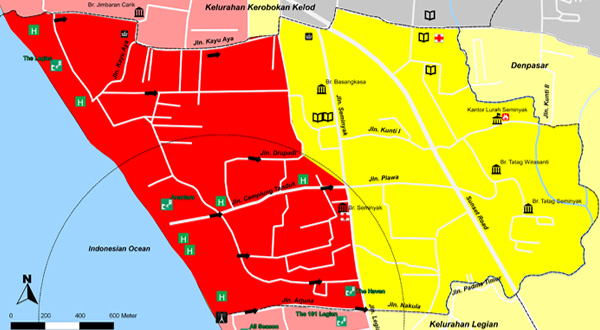
The Red Zone is meant for commercial activities such as retail, offices, restaurants, and other business operations. This zoning is regulated under Indonesian Law No. 26 of 2007 on Spatial Planning.
Red Zones are usually located in areas that support business growth without disturbing quiet residential neighborhoods.
What’s the difference between Red and Pink zones? The main difference comes down to purpose:
- Red Zone focuses on everyday business activities like retail shops, supermarkets, shopping malls, office buildings, cafes, restaurants, and co-working spaces.
- Pink Zone is tourism-focused, covering uses like hotels, resorts, guesthouses, and sometimes tourist accommodation.
Red Zones also tend to have strong infrastructure support, including easy access from major roads, public transportation nearby, ample parking areas and reliable utility (such as electricity, water, internet, and waste management).
Still, commercial investment for foreigners in this zone happens through a PT PMA or long-term land rights or lease agreements.
Examples of Red Zone areas in Bali
- Sunset Road (Kuta): A major commercial strip filled with shops and businesses.
- Seminyak (main street): Well known for its restaurants, boutiques, and retail outlets.
- Berawa (commercial strips): Popular for cafes, shops, and dining spots.
- Sanur (main road): Features commercial activity alongside tourism areas.
- Central Ubud: Designated zones for various commercial ventures.
Read More: Most Profitable Business to Invest in Bali for Foreigners (2026 Update)
5. Orange Zone (Zona Orange) - Mixed-Use Lands
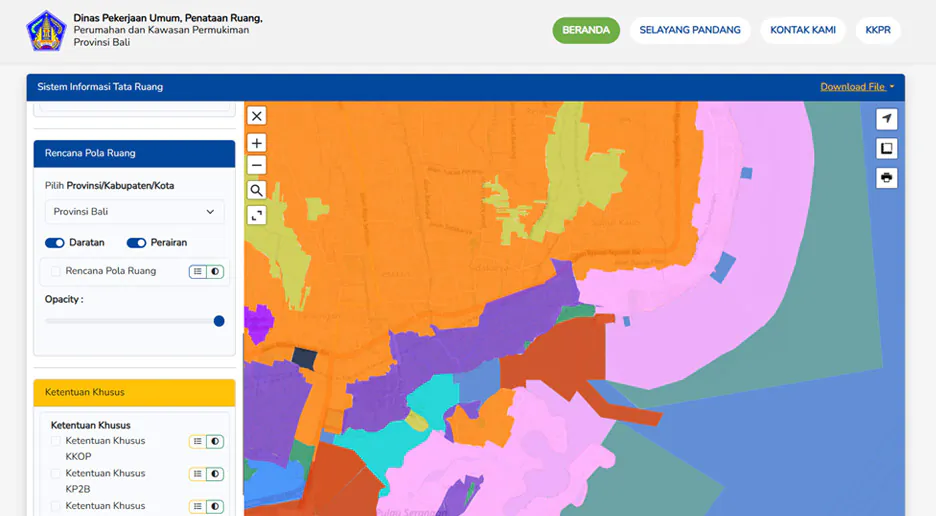
Next is the Orange Zone, which is a mixed-use area where both living and business activity can exist side by side. This setup often creates lively neighborhoods where homes, cafes, shops, and services are all within easy reach.
Yes, you can build or buy a Bali villa on Orange Zone through leasehold structure or a PT PMA. Many investors like this zone because it offers flexibility. You can use the property as a home, a rental, or even combine residential and commercial use, depending on local rules.
Villas in Orange Zones are also appealing because they work well for both long-term living and short-stay rentals, especially in busy or growing areas.
What do Orange Zones Usually Look Like?
- Vertical mixed use: You might see shops or restaurants on the ground floor, with apartments or townhouses above. This layout is common in Orange Zones and creates a convenient, energetic environment.
- Horizontal mixed use: In some areas, Orange Zones spread out more evenly. Homes sit alongside cafes, small shops, and services, creating a strong neighborhood feel where daily needs are close by.
Examples of Orange Zone areas in Bali
Orange Zones are often found in denser, more urban parts of Bali, such as parts of Denpasar, Kerobokan, and Pererenan, where residential life and business activity naturally blend together.
6. Conservational Zona (Zona Konservasi)
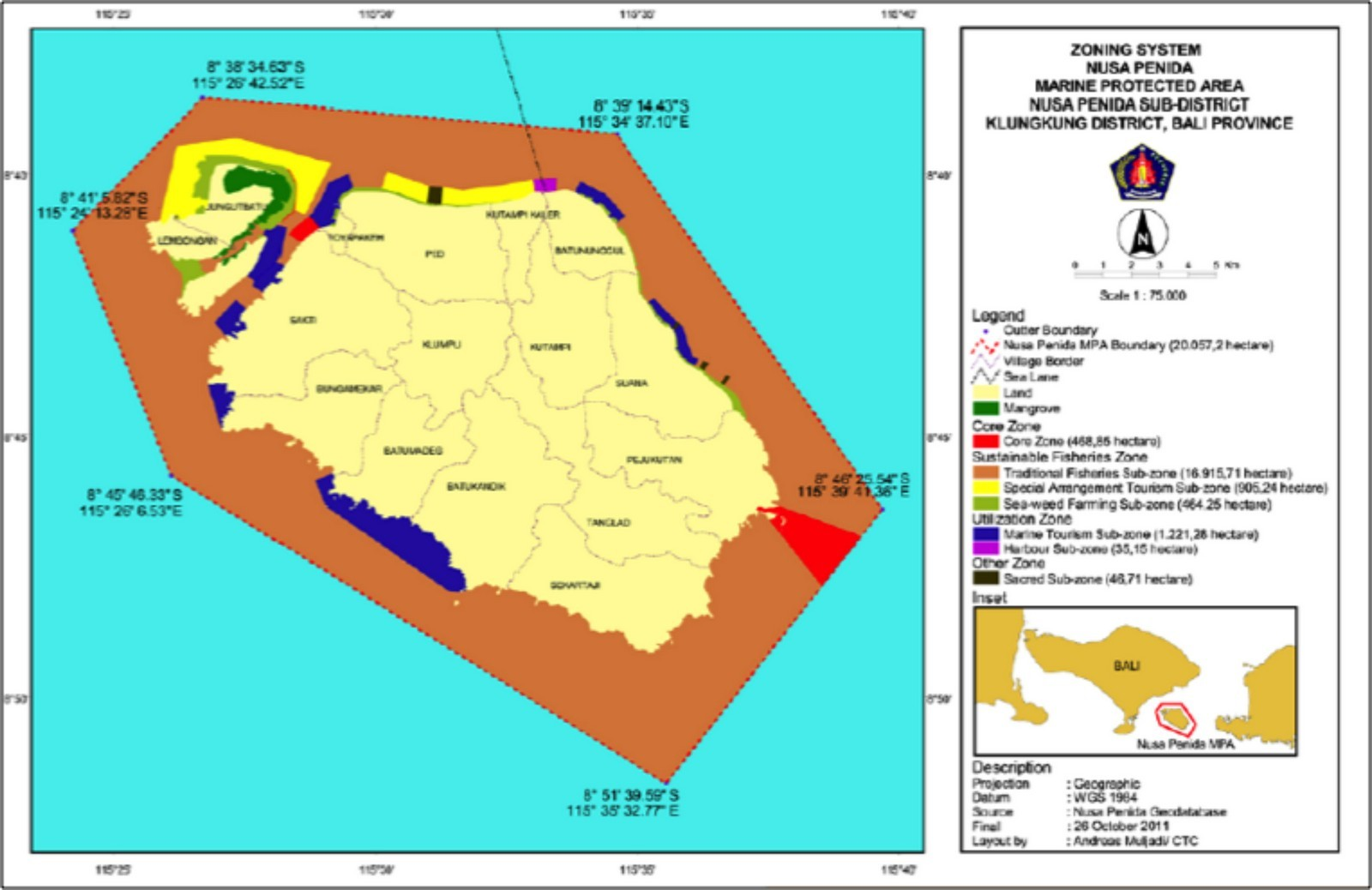
Conservation Zones (“Zona Konservasi”) are created to protect Bali’s environment, biodiversity, and areas with ecological or cultural importance—similar to Green Zones.
Development in these areas is heavily restricted, with the main focus on preserving the land for future generations.
While direct investment through property development is usually not allowed, there are still ways to get involved, such as supporting eco-tourism operators that follow sustainable and environmentally responsible practices.
Examples of conservational areas in Bali
- Bali Barat national parks, wildlife reserves, Nusa Penida marine protected zones
- Forests, wetlands, sensitive coastal areas
- Culturally important sites with ecological value

How to Check Bali Land Zoning Map
Option 1 (Fast Online Check): Use the Bali Land Zoning Map
You can check zoning online using official mapping platforms like GISTARU (Geographic Information System for Spatial Planning).
The GISTARU website is managed by the Ministry of Agrarian Affairs and Spatial Planning, and it’s designed to give the public quick and easy access to official spatial zoning information.
How to use GISTARU:
Open the Bali zoning map website
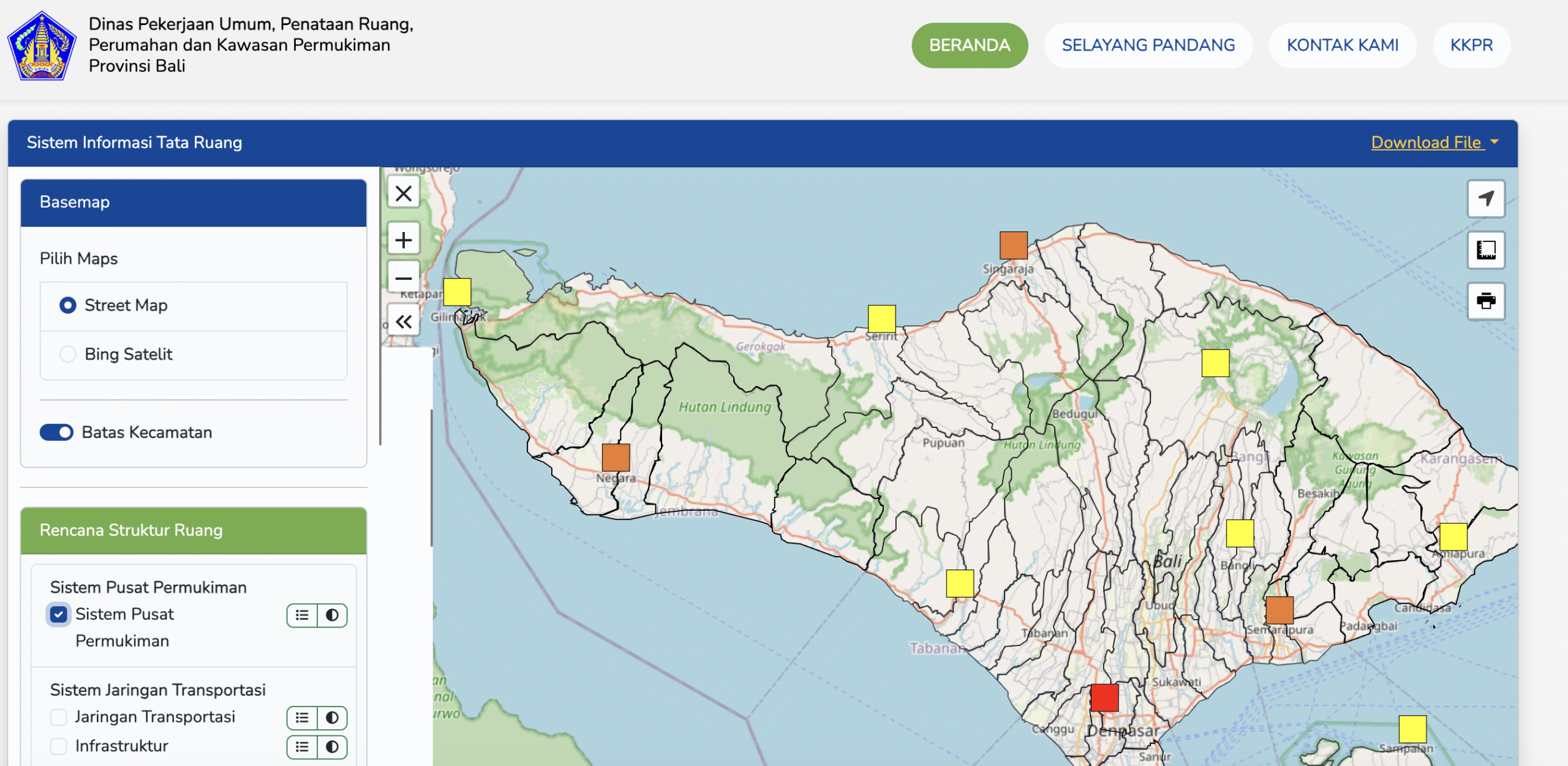
Scroll down the left menu until you find “Rencana Struktur Ruang.”
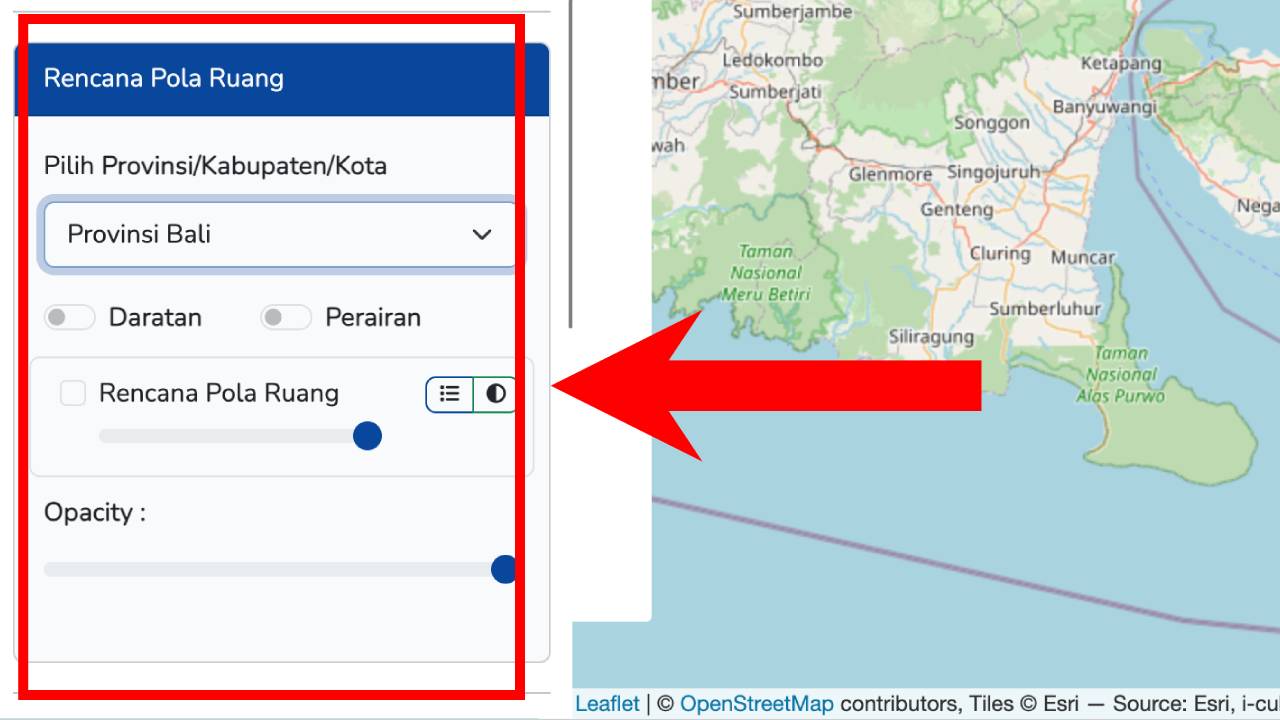
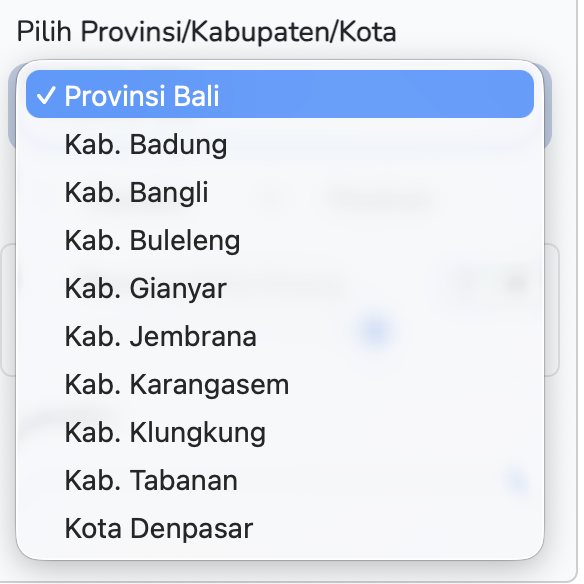
Select the desired area
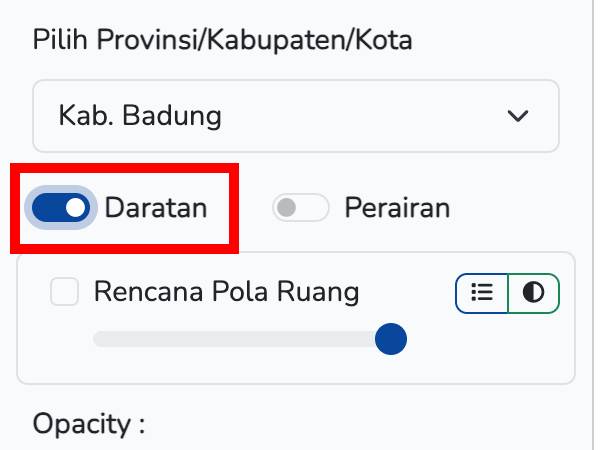
Turn on the “Daratan” option to check the land area of the selected region
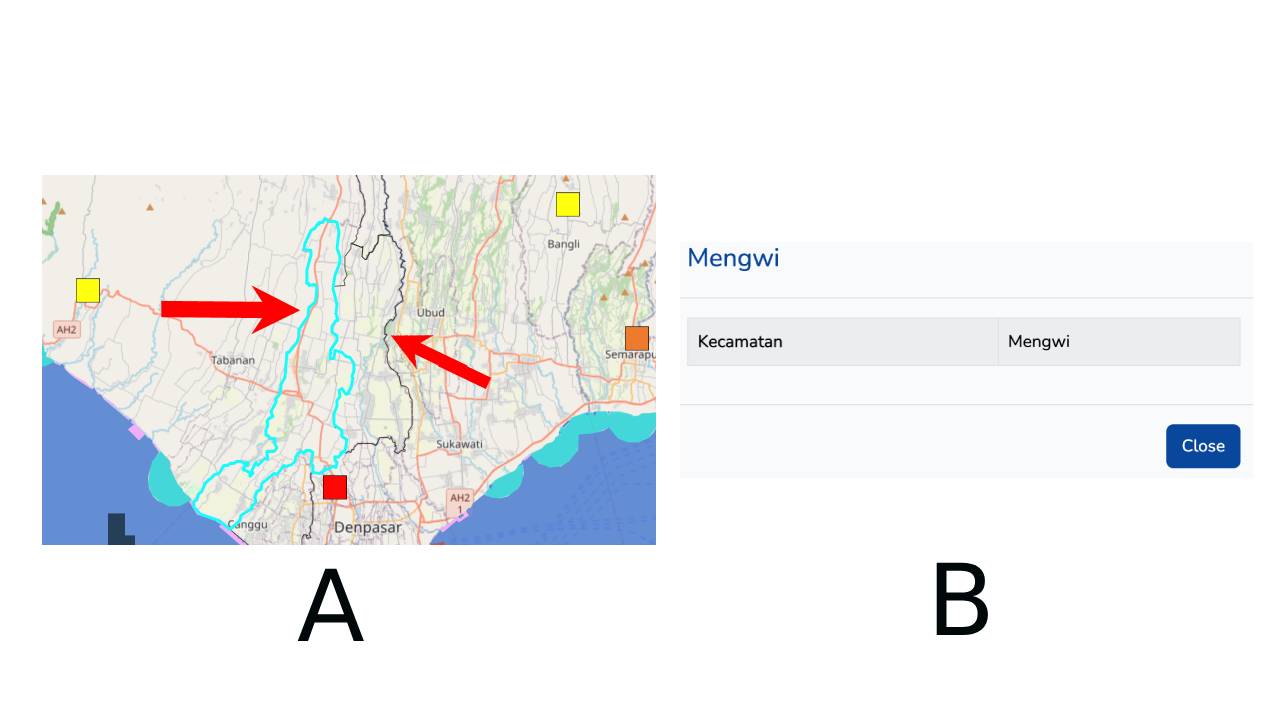
You’ll see areas marked with black lines (image A). Click one to highlight it in light blue, and a small info box will appear (image B).
Zoom in to see the land zone color and legend.
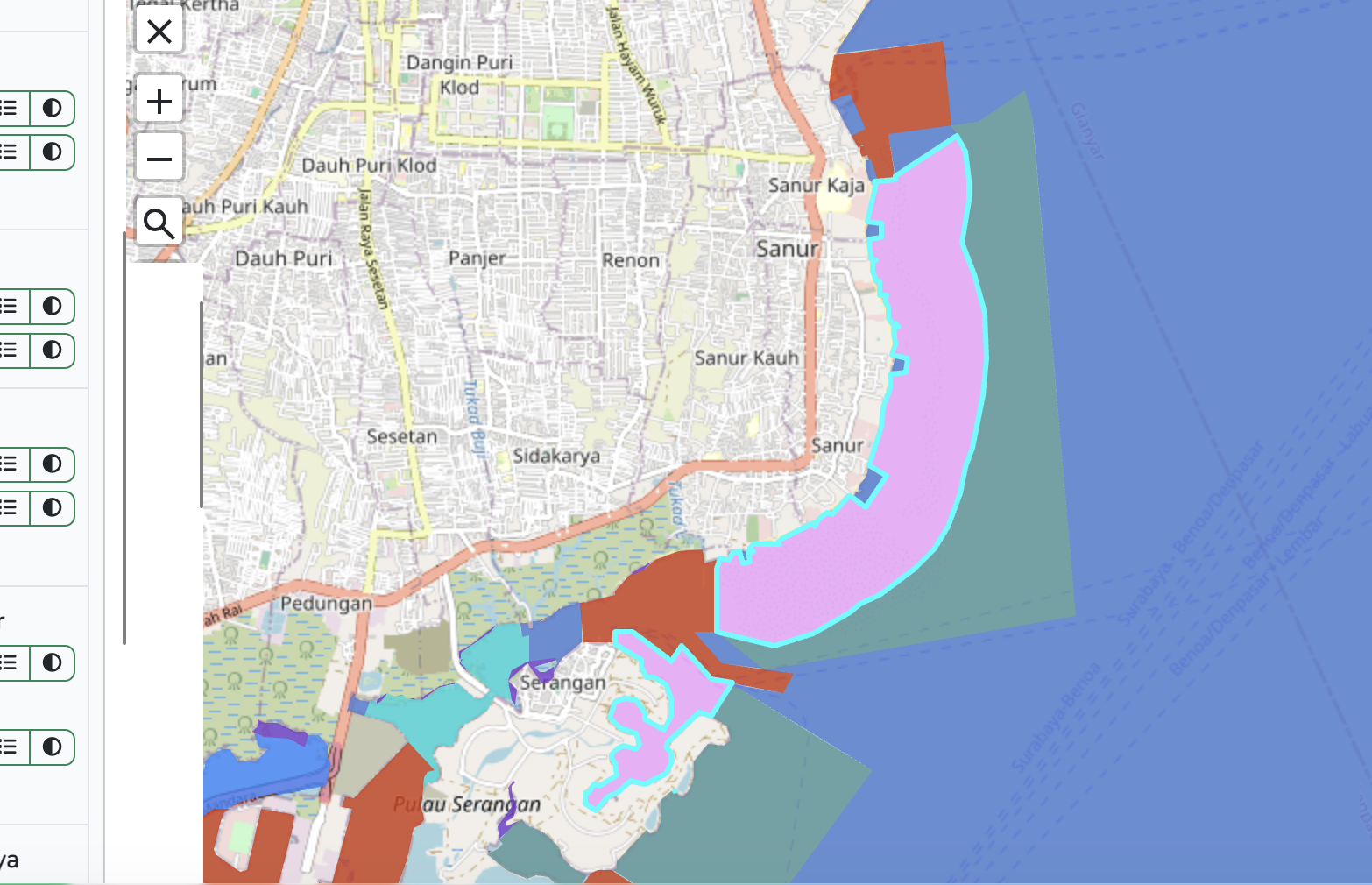
This is the quickest way to get an early answer using a zoning map.
Online maps are great for an initial check, but they are not a replacement for formal documentation when you’re ready to buy.
It’s also important to remember that some regions provide local zoning tools. However, these maps usually cover only one regency, so don’t rely on them to represent all of Bali.
Option 2 (Most Reliable): Get Written Confirmation
Once the online map looks promising, the next step is the “real” safety step: written confirmation from professionals and/or offices.
For a serious purchase, you should:
- Verify the land’s legal details (certificate, boundaries, coordinates)
- Ask a notary / consultant to confirm zoning for your intended use
- Confirm what is required for permits like PBG
If the seller avoids formal checks or pushes you to pay first, that’s a red flag!
Before you rely on any zoning result, make sure you have:
- The land certificate details (so you’re checking the correct plot)
- A clear location reference (pin + boundaries)
- Confirmation your plan matches the zone (home, rental, hotel, etc.)
You can also visit local government offices such as the Kantor Camat or Kantor Kelurahan, or the Bali provincial planning office to access official zoning maps.
For land title and zoning details, the BPN (National Land Agency) in Bali can provide reliable information.
Read More: Due Diligence in Real Estate: Meaning, Checklist and Report Example
When Should You Check Zoning?
You don’t need to check every listing you see online. Do it when you’re serious about a property, about to negotiate and/or thinking about a holding deposit.
Common Mistakes when Picking Location to Buy Bali Property
Here’s what causes most zoning headaches:
- Relying only on the seller’s claim without independently checking the official Bali land zoning map, which can lead to false assumptions.
- Assuming nearby villas mean the land is buildable, even though zoning rules can differ from one plot to the next.
- Using outdated screenshots or old zoning maps, which may no longer reflect current regulations.
- Checking zoning after paying a deposit, when it’s already too late to walk away easily if the zoning is wrong.
💡 Smart tips: A safer rule: confirm zoning first, then negotiate price.
Conclusion
Bali land zoning checks protect you from some of the biggest regrets in property investment.
We recommend using the GISTARU Bali land zoning map as a quick filter, then getting formal confirmation before committing to any plot of land.
If you do this properly, you’ll avoid painful surprises and move forward with much more confidence.
Need further help to make sure your land or villa investment is safe and profitable? Bali Villa Realty’s curated listings are fully legal and located in some of Bali’s most in-demand areas today.
Our in-house legal team is also here to help you conduct proper due diligence.
Book a free consultation and get access to investment-ready listings—hassle-free.