

Key Takeaways
- Bali’s high season peaks in July–August and late December to early January, around Christmas and New Year.
- Bali’s low season typically runs from November through March, aligning with the rainy season.
- Bali’s tourism remained strong in 2025, with international arrivals reaching around 6.8 million by late December, despite a temporary slowdown in domestic travel during low season.
- Property investors don’t need to panic during low season. It’s more effective to adjust strategies by targeting long-stay rentals, choosing locations with year-round demand, and optimizing operating costs during slower periods.
Bali is known as a relatively stable tourism destination throughout the year, especially when compared to other Asian markets such as Thailand.
That said, Bali still experiences clear high and low seasons, which naturally affect villa occupancy rates and rental performance.
This is something property investors should understand to avoid unnecessary panic when the off-peak season arrives.
What truly matters is having the right strategies in place. In fact, many accommodation business owners and villa investors continue to achieve solid ROI regardless of seasonal fluctuations.
This guide is designed to help you navigate Bali’s seasonal changes with greater clarity and confidence.

When Is the High and Low Season of Bali Tourism?
Bali High Season

Peak season in Bali generally occurs during July–August and late December through early January (around Christmas and New Year).
These months see the highest number of visitors and the busiest travel periods, including increased accommodation occupancy such as hotels and villas.
However, more recently, a situation perceived as the opposite occurred—a perceived decline in visitor numbers in December 2025. This briefly fueled debate and the “Bali is quiet” narrative on social media.
Some Indonesian news outlets and online discussions suggested that Bali felt quieter than expected, particularly around the Christmas and New Year period.
The conversation quickly gained traction, prompting the government to step in and clarify the situation using official data—something we’ll explain further in this article.
Read More: Celebrating Christmas in Bali 2025: Insider Guide for Traveler
Bali Low Season

Low season in Bali usually spans November through March, aligning with the rainy season. This period typically brings heavier rainfall and a general reduction in travel demand.
Increased rain and occasional storms make outdoor and beach-centered activities less appealing—especially for families and domestic travelers who may choose easier alternatives elsewhere in Indonesia.
Between these periods, Bali experiences shoulder or off-peak seasons (such as April–June and September–October), which offer moderate crowds and more balanced pricing.
This is the phase where property owners and villa investors must make adjustments to ensure their businesses continue generating profit.
Read More: Bali vs. Hawaii: Which Is Better for Holidays and Investment?
Is Bali Really “Empty of Tourists” at the End of 2025? Here’s the Data
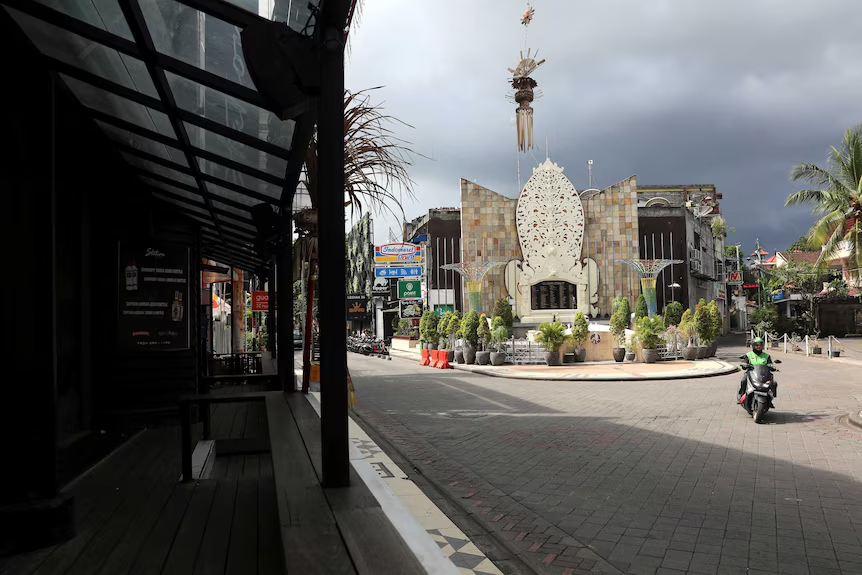
Some reports and public commentary claimed that Bali felt less busy than usual in early to mid-December 2025.
This perception was partly influenced by fewer visitors at popular tourist spots and unusual domestic travel patterns. However, official data and statements from local authorities paint a more nuanced picture.
According to tourism calendars used by travel planners, late November to mid-December is traditionally a lower-traffic period before the year-end peak fully begins.
This explains why November to mid-December felt slower in 2025. It was part of Bali’s normal low-season cycle, not a collapse in tourism.
Official government and statistical data further clarify the situation:
- International tourist arrivals to Bali increased throughout 2025, based on official government records.
- According to Tourism Minister Widiyanti Putri Wardhana, foreign arrivals in Bali by late December 2025 reached approximately 6.8 million visitors, close to the government’s annual target of 7 million.
- Bali’s Governor confirmed that international arrivals in 2025 were higher than during the same period in 2024, with numbers continuing to rise toward year-end.
- Immigration data also showed an increase in inbound visitors, directly countering claims of a sharp tourism decline.
While international tourism remained strong, domestic travel to Bali showed signs of softness.
Contributing factors included weather conditions and media coverage of extreme weather, which influenced travel decisions.
So, Bali was not “empty” overall. What actually happened was a shift in visitor composition, with fewer domestic tourists compared to previous high seasons.

Things Property Investors Should Do to Stay Profitable Across Bali’s High and Low Seasons
For property investors, the goal is not to eliminate seasonality, but to design investments that perform well despite it.
Here are proven strategies commonly used by investors to protect and improve returns.
1. Choose Locations With Year-Round Demand
Prioritize areas with mixed demand (tourism and long-term stays), rather than locations driven purely by holiday traffic.
Not all areas in Bali experience seasonality equally. Southern Bali hubs such as Canggu, Seminyak, Umalas, and parts of Uluwatu tend to retain demand year-round due to long-stay expatriates, digital nomads, and remote workers.
Areas that rely almost entirely on short-term holiday traffic tend to feel seasonal fluctuations more strongly.
Read More: Digital Nomad Bali Guide: Visa, Tips & Best Location for Global Workers
2. Target Long-Stay and Monthly Rentals During Low Season
During low season, nightly bookings may soften, but monthly rentals often remain active. Many villas successfully adjust their pricing strategies during this period by:
- Adjusting daily and weekly rates based on demand using pricing tools
- Offering better value for longer stays (e.g., 10% off weekly stays, 20% off monthly stays) to fill gaps and reduce cleaning costs
- Creating special packages, such as wellness retreats or culinary experiences, in collaboration with local partners
- Offering last-minute or early-bird deals to attract spontaneous or early planners
- Providing flexible cancellation policies to reduce booking hesitation
- Lowering minimum stay requirements (e.g., from 7 nights to 2–3 nights) to attract weekend guests
Flexibility in rental strategy often matters more than peak-season pricing alone.
Read More: How to Set Up Villa Price on Airbnb for More Guests
3. Design Villas for Practical Living, Not Just Instagram
Properties that only appeal to short-term tourists are more vulnerable during slow periods. Villas that function as real homes tend to perform better year-round than purely aesthetic holiday properties.
During low season, investors often benefit from long-term renters. Villas that operate like proper homes allow guests to save money by cooking, doing laundry, and living more independently.
With the growing trend of long-stay guests and digital nomads, travelers now increasingly prioritize villas with proper workspaces.
Key features that help stabilize demand include:
- Enclosed living areas (especially important during the rainy season)
- Reliable internet and dedicated workspaces
- Adequate storage, kitchens, and parking
- Quiet neighborhoods with easy access to daily amenities
4. Plan Cash Flow Based on Annual Averages, Not Peak Months
One of the most common mistakes Bali property investors make is calculating returns based only on peak-season performance.
While high season delivers strong occupancy and premium rates, it represents only part of the year. Sustainable ROI comes from how a property performs across all 12 months, not just during the best periods.
A more resilient approach includes:
- Basing projections on annual average occupancy, not peak figures
- Assuming lower income for 3–4 months per year, typically during low season
- Using high-season profits to offset low-season performance, covering fixed costs such as maintenance, staffing, management fees, and utilities
Read More: ROI on Bali Villa Investment + Free Online Calculator
Get Your Free Bali Villa ROI Report
Learn real case study data and insights to help you maximize your investment returns in Bali.

5. Optimize Operating Costs During Low Season
While revenue may decline, low season creates opportunities to improve margins and operational efficiency.
Lower guest turnover allows owners and operators to focus on areas that are difficult to optimize during peak months.
This period can be used for:
- Cost optimization: Reviewing and renegotiating service contracts, staffing schedules, and supplier agreements
- Maintenance and upgrades: Handling repairs, renovations, and preventive maintenance without guest disruption
- Operational improvements: Refining SOPs, guest workflows, and fixing inefficiencies
- Marketing and pricing refinement: Updating listings, refreshing photography, testing pricing strategies, and strengthening direct booking channels
- Long-stay positioning: Shifting toward monthly or medium-term rentals to stabilize cash flow
6. Work With Active Property Management
Seasonality is easier to manage with experienced local operators who understand demand cycles.
Professional property management supports:
- Dynamic pricing (daily, weekly, monthly)
- Channel diversification (Airbnb, Booking.com, direct bookings)
- Smooth transitions between short-stay and long-stay models
- Legal and operational compliance
Passive ownership without strategy often underperforms in seasonal markets like Bali.
Read More: Bali Investment Property Portfolio Growth Hacks (Proven Tips)
Common Mistakes Property Investors Make During Bali’s Low Season
Low season in Bali is predictable, yet many investors still make avoidable mistakes that weaken long-term returns.
These usually stem from emotional reactions rather than strategic management:
- Panic discounting without strategy: Aggressive price cuts attract low-quality bookings and damage long-term value
- Leaving the property idle: Waiting for high season results in zero income while fixed costs continue
- Cutting essential maintenance: Small issues grow into costly repairs and poor reviews later
- Ignoring marketing: Pausing marketing weakens visibility and momentum before peak season
- Overreacting to short-term tourism news: Weather or traffic headlines reflect cycles, not long-term decline
Conclusion
Tourism in Bali has always moved in cycles. High seasons bring strong occupancy and higher nightly rates, while low seasons test cash flow and operational discipline.
Once again, there is no need to panic when renter numbers decline during low season.
Instead, focus on optimizing your villa rental strategy so you can maintain steady and sustainable returns every month.
Need help investing in Bali property? Bali Villa Realty is ready to assist with personalized investment plans and carefully selected listings offering strong ROI at fair pricing.
Book a free consultation with our senior advisor anytime at your convenience.