Disclaimers: All prices listed below are converted at a rate of 1 USD = IDR 18,125, based on the exchange rate as of July 13, 2026.
Key Takeaways
- Electricity in Bali is generally affordable compared to Australia and the United States, with non-subsidized household rates ranging from around IDR 1,352 to IDR 1,699.53 (USD 0.075 to USD 0.094) per kWh.
- Expats and foreign villa owners usually pay non-subsidized household tariffs or business electricity tariffs, as foreigners are not eligible for government-subsidized electricity rates.
- Most small homes or apartments may only need 900 VA to 1,300 VA, while larger villas with multiple AC units and private pools often require 3,500 VA, 5,500 VA, or more.
- The final monthly bill depends heavily on the property type, daily usage, and appliances. Villa owners can reduce electricity costs by using inverter AC units, energy-efficient pool pumps, clear guest rules, and the right VA capacity for the property.
Bali is known for its affordable lifestyle, but certain costs, such as electricity, can strain your budget if you are not careful. So, how much does electricity really cost in Bali?
Knowing how much electricity costs in Bali can help you make smarter choices, especially if you plan to run a rental business.
Bali Electricity Price per kWh Today (2026)
If you are an expat or a foreign villa owner in Bali, you will usually pay either the non-subsidized household electricity rate or the business electricity rate, called Category B-2. Here are the current tariffs according to PLN (Indonesia’s state electricity company):
- Non-subsidized household electricity tariff:
- 900 VA: Rp 1,352 (USD 0,075) per kWh
- 1,300 VA: Rp 1,444.70 (USD 0,080) per kWh
- 2,200 VA: Rp 1,444.70 (USD 0,080) per kWh
- 3,500 VA–5,500 VA: Rp 1,699.53 (USD 0,094) per kWh
- 6,600 VA and above: Rp 1,699.53 (USD 0,094) per kWh
- Business electricity tariff: B-2/TR (6,600 VA–200 kVA): Rp 1,444.70 (USD 0,080) per kWh
Foreigners cannot receive subsidized electricity tariffs from the government. But unlike in some Western nations, where prices fluctuate by the hour, Bali’s electricity pricing relies on static, flat-rate tiers determined by the property's total allocated power capacity.
Understanding Bali’s Electricity Tiers (VA vs. kWh)
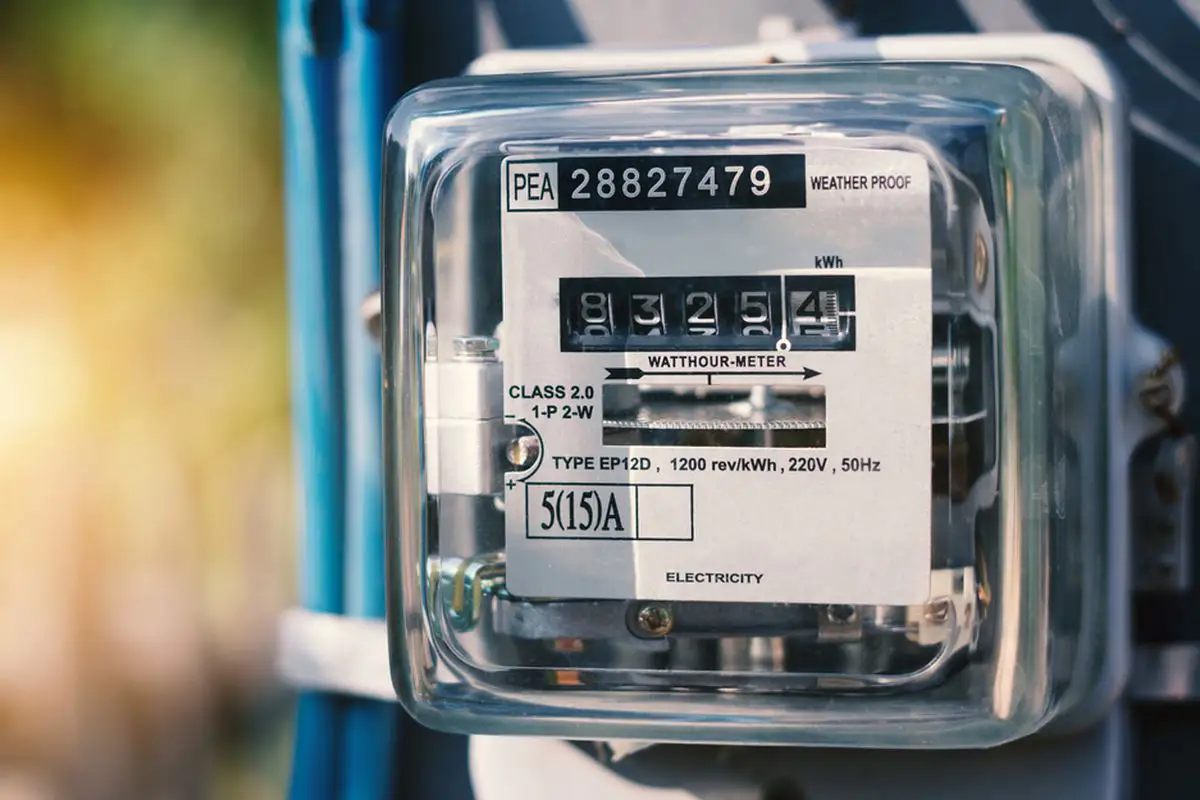
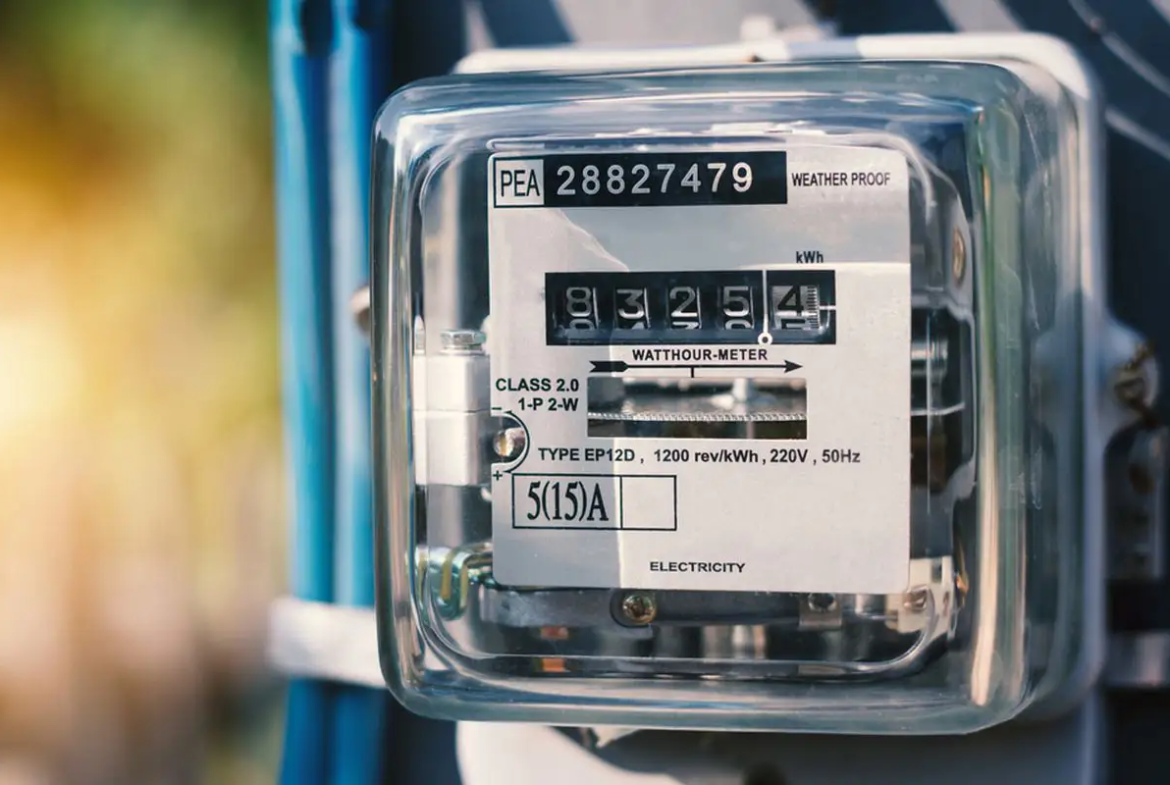
When talking about electricity in Bali, you will often hear about VA and kWh. VA (Volt-Amperes) is the maximum electricity capacity your property can handle, while kWh is the amount of electricity you actually use.
Here is how they compare:
| Connection Capacity Tiers | Tariff Category | Official Cost Per kWh | Ideal For |
| 1,300 VA to 2,200 VA | R-1 / TR | IDR 1,444.70 | Small 1-bedroom apartments, studio spaces, minimalist lifestyle |
| 3,500 VA to 5,500 VA | R-2 / TR | IDR 1,699.53 | Medium 2 to 3-bedroom villas with private pools and standard AC setups |
| 6,600 VA and above | R-3 / TR | IDR 1,699.53 | Premium luxury villas, large commercial rentals, and properties with heavy appliance loads |
Most local homes in Bali use 900 VA or 1,300 VA. In contrast, a luxury expat villa or rental with several air conditioners, a pool pump, and modern appliances will need much more capacity.
Don’t worry; if your villa doesn't have enough electrical capacity, you can ask PLN to increase it for you. But you may need approval from the property owner because the PLN registration is tied to the property. An upgrade also requires an upfront PLN connection fee.
Bali Electricity Price Compared to Other Countries
Electricity in Bali is still quite affordable compared to Australia and the United States, especially for non-subsidized households:
| Location | Estimated Electricity Price per kWh (in USD) | Comparison |
| Bali | USD 0.074–0.094 per kWh | Lowest among the three |
| Australia | USD 0.18–0.31 per kWh | 2 to 3 times higher than Bali |
| United States | USD 0.196 per kWh | 2 times higher than Bali |
However, a lower per-kWh price does not always mean a very low monthly bill. Villa owners often use more electricity due to air conditioning, pool and water pumps, lighting, and appliances.
So while the electricity rate is lower, the final monthly cost still depends heavily on the property's size and daily usage habits.
Prepaid (Token) vs. Postpaid Meters
When managing your property, you will find two main ways to pay for electricity:
- Prepaid (Listrik Pintar): With this system, you buy 20-digit electricity tokens in advance. You can get them easily through banking apps, convenience stores like Alfamart or Indomaret, or digital wallets. This option is great for villa rentals because it helps prevent guests from overusing electricity.
- Postpaid: You get a monthly bill based on your actual usage, which is tracked by a meter reader. If you miss a payment, PLN will quickly disconnect your power.
Read More: Hidden Costs of Buying Property in Bali You Shouldn’t Ignore
What Will Your Actual Monthly Bill Look Like? Case Example
Your actual electricity bill is not just about the price per kWh. How you live and manage your property makes a big difference.
- Air Conditioning: Running a standard AC unit all day can use about 15–20 kWh daily. If you have a 3-bedroom villa (for example), this amounts to around 1,500 kWh per month just for cooling. Reviews show that using AC nonstop is the main reason utility bills can triple.
- Pool Pumps & Filtration: To keep a private pool clean, the pump should run 6 to 8 hours a day. This creates a steady, unavoidable cost in your electricity bill.
- PPJ Tax: Each time you buy a prepaid token or pay your bill, a small fee—usually 3% to 5% depending on your area—is collected as a regional street-lighting tax called Pajak Penerangan Jalan.
Average Budget Estimations:
- Solo Expat (Minimal AC, Small Apartment): IDR 400,000 – IDR 800,000 ($22.07 – $44.14 USD) per month.
- Standard 2-Bedroom Villa (Private Pool, Moderate AC): IDR 1,500,000 – IDR 3,000,000 ($82.76 – $165.52 USD) per month.
- Luxury 4+ Bedroom Rental Villa (Heavy AC, Multi-pump Pool): IDR 5,000,000 – IDR 10,000,000+ ($275.86 – $551.72+ USD) per month.
Pro-Tips for Villa Owners and Long-Term Expats
To keep your costs down and get the most from your rental, remember these local property tips:
- Check Your Max Capacity (VA): Make sure your villa’s power capacity matches your needs. For example, if you have an 11,000 VA connection but only use up to 4,000 VA, you are paying for more capacity than you need.
- Invest in Inverter Technology: When building or upgrading, replace old appliances with modern inverter air conditioners and energy-saving pool pumps.
- Set Clear Villa Rules: If you run an Airbnb or long-term rental, remind guests to turn off the AC when they leave. Some owners exclude electricity from the rent to encourage careful use.
Conclusion
Electricity in Bali is generally affordable thanks to its flat-rate system. By learning about the VA tiers and planning for air conditioning and pool expenses, you can now keep your budget on track while enjoying life or managing a villa rental.
Looking for more help with villas in Bali? Talk to our expert property advisor for free. We will help you find the best villa for your budget, lifestyle, and needs.
Want to start investing in Bali property?
Have a quick chat with our real estate experts for personalized advice on your Bali investments. No commitment required.
FAQ
Because your token amount also includes deductions such as regional street lighting tax (PPJ), usually around 3% to 5%, and a small administration fee from the payment app or store.
It usually means your electricity usage is higher than the villa’s VA capacity. You may need to upgrade the power capacity or avoid running too many high-consumption appliances at the same time.
Yes, especially for luxury villas and eco-resorts. However, PLN net metering can be slow to set up, so solar is usually used as a supporting system, not a full replacement.
For short-term rentals, electricity is usually included. For long-term rentals, it is better to exclude electricity so tenants manage their own usage.
You can check the remaining kWh directly on the prepaid meter screen. The meter will usually beep when the balance is low, reminding you to top up before the power cuts off.