

Disclaimer: This article is for informational purposes only. Pet import regulations can change. Always verify the latest requirements with your chosen pet relocation agency before making travel arrangements.
Key Takeaways
- Yes, you can bring pets to Bali, but not directly. Pets cannot fly into Bali’s Ngurah Rai International Airport because the island is classified as a rabies-restricted zone.
- Pets must enter Indonesia through Jakarta first. The standard legal route is flying into Jakarta (CGK), completing quarantine, and then traveling to Bali by road and ferry (using a pet travel agency is recommended for this step).
- The preparation process usually takes 3–4 months. This includes microchipping, vaccinations, rabies titre testing, obtaining an Indonesian import permit, and quarantine in Jakarta (7-14 days after arrival)
- Rabies testing is a critical requirement. Pets must pass a FAVN or RNATT blood test showing at least 0.5 IU/ml antibody level before entering Indonesia.
- Pet relocation to Bali usually costs $1,500–$3,000+ (IDR 25M - 50M). Costs depend on the animal’s size, flight arrangements, quarantine duration, and agency services.
- Finding a pet-friendly villa in Bali also requires planning. While daily life in Bali is generally pet-friendly, many hotels and private villas do not allow pets. Bali Villa Realty can help you with this.
Can you bring your pet (cat or dog) to Bali? Many expats ask the same question before deciding to move to the island. Unfortunately, many people still get confused because of the conflicting information circulating online.
This guide cuts through the noise. We'll walk you through the current rules, the detailed step-by-step process, estimated costs, and—just as importantly—how to find the right pet-friendly accommodation in Bali (today, more private villas and apartments are starting to prohibit pets).
Your complete bring pet to Bali roadmap starts here.

Biggest Myth Among Pet Lovers: You Can’t Bring Pets to Bali at All
Many people say you cannot bring pets to Bali. Technically, that statement is not entirely wrong—but it’s also not the full picture. The truth is that you cannot fly your pet directly into Bali's Ngurah Rai International Airport (DPS).
Bali is officially classified as a rabies-affected zone by the Indonesian government, which means direct pet import and export through Denpasar Airport is prohibited. But thousands of expats currently live in Bali with their dogs and cats. So how did they get there?
The general process works like this:
- Fly to Jakarta first and transit through CGK Airport (Soekarno-Hatta International Airport)
- Complete mandatory government quarantine
- Ensure full veterinary and document compliance
- Then continue the journey to Bali by road (we’ll explain the details later in this article)
It’s a longer and more expensive route, we know. But it works and is legal according to the official procedure.
So any offer claiming “direct import to Bali” is illegal and puts pets at serious risk of seizure, forced re-export, or permanent import bans.
Why Is Bali So Strict About Pet Import?
To understand the rules, you need to understand the history.
Bali experienced a serious rabies outbreak in 2008 that affected both the local dog population and humans (25,531 cases in 2008 according to Antara News). In response, provincial authorities implemented strict controls on animal movement to and from the island.
Although the numbers eventually declined, rabies cases in Bali did not disappear entirely. A study published in Advances in Animal and Veterinary Sciences (2019) reported that the Denpasar Veterinary Disease Investigation Center tested 8,773 samples from dogs suspected of rabies between 2012 and 2018. Out of these samples, 1,121 cases (13%) were confirmed positive for rabies.
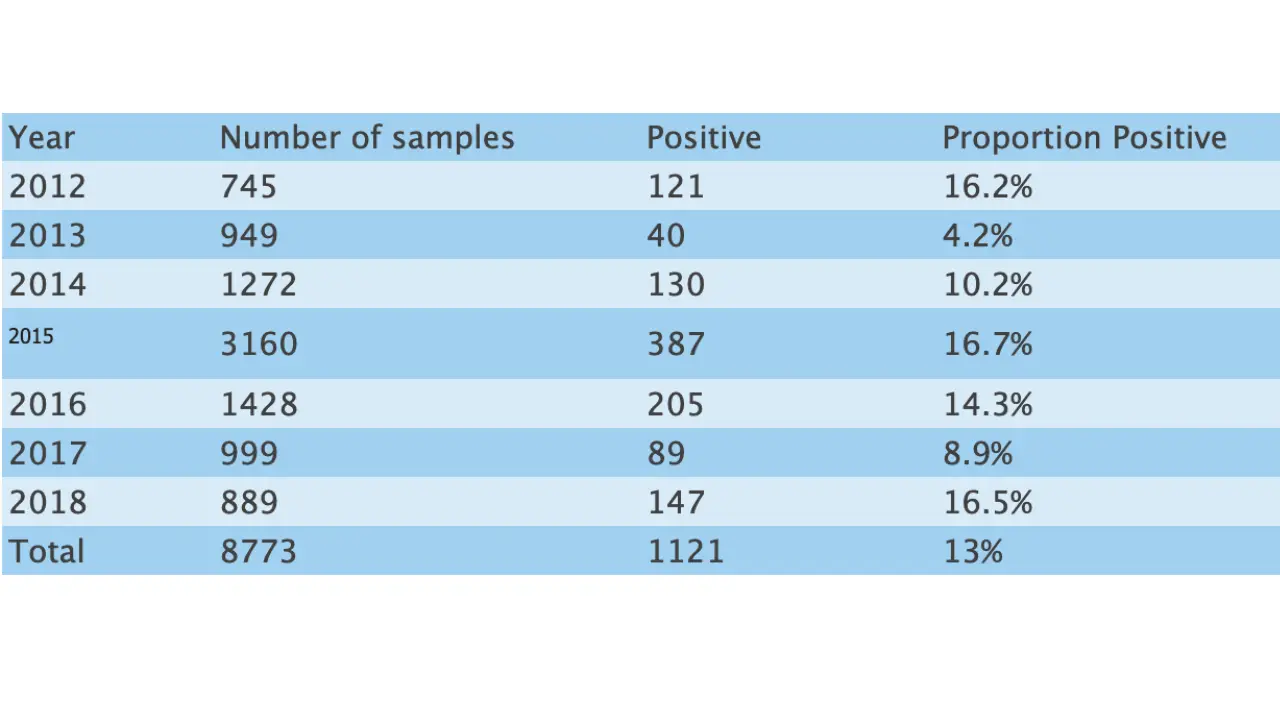
That is why Bali has been designated a rabies-restricted zone under Indonesian law. The goal is to protect Bali's residents, wildlife, and existing animal population. Enforcing these rules—including the ban on pet imports through Denpasar—is part of that effort.
This is also why the pet entry guide for Indonesia is more detailed than in most countries. Indonesia takes animal health seriously, and Bali enforces these rules even more strictly than other regions of the country.
How to Actually Bring Pets to Bali (Indonesia Animal Import Regulation and Process 2026)

Ready to bring your pet to Bali? Before we start, remember that this process requires planning. Begin at least 3 to 4 months before your intended move date, because your dog or cat will need to go through multiple vaccinations, tests, and quarantine procedures.
Here’s the full step-by-step pet entry guide:
1. Microchip Your Pet
Your pet must have an ISO 11784/11785-compliant microchip before anything else. This chip acts as your pet's official identification and must be implanted before any vaccinations are administered.
If your pet is already vaccinated but not yet microchipped, the microchip must be implanted first, and then the vaccinations must be repeated. Do not skip this step or perform it in the wrong order.
2. Get the Required Vaccinations
Once microchipped, your pet must receive the following vaccinations:
For dogs:
- Rabies vaccine (at least 30 days before travel and no more than 12 months prior)
- DHLPP (distemper, hepatitis, leptospirosis, parvovirus, parainfluenza)
For cats:
- Rabies vaccine
- FVRCP (feline viral rhinotracheitis, calicivirus, panleukopenia)
All vaccines must be recorded in an International Pet Passport and verified with official clinic stamps.
What About Puppies and Kittens?
There is a specific rule here. Puppies and kittens must be at least 3 months old to receive a rabies vaccination. Since the vaccination must be administered before the titre test, and the titre test must be taken at least 30 days after vaccination, the minimum age to enter Indonesia is approximately 4 months old.
3. The Rabies Titre Test
This is the critical step most people don’t know about (and also the step that takes the most time). At least 30 days after the rabies vaccination, your pet must undergo a FAVN or RNATT blood test at an approved laboratory. The results must show a minimum antibody level of 0.5 IU/ml.
If the titre test was completed more than 12 months ago, it is no longer valid. So, start this step as early as possible.
4. Apply for the Indonesian Import Permit
Once the titre test results are available and everything checks out, you or your pet relocation agency can apply for an import permit from Indonesia's Directorate General of Animal Husbandry in Jakarta.
This permit:
- Requires vaccination records and a health certificate from a licensed veterinarian
- Takes approximately 4 to 5 weeks to be issued
- Is valid for 3 months from the date of issue
5. Fly to Jakarta
All pets entering Indonesia must arrive through approved airports, and the main entry point for foreigners is Soekarno-Hatta International Airport in Jakarta.
Other approved entry airports include:
- Jakarta
- Medan
- Pekanbaru
- Manado
- Surabaya
Your pet will travel as cargo on the same flight (or separately, depending on the airline and weight). Some airlines—such as Garuda Indonesia—offer pet cargo services, but always confirm airline pet policies before booking.
6. Quarantine in Jakarta (7 to 14 Days)
When your pet arrives in Jakarta, it will be taken to a government quarantine facility. This step is mandatory and non-negotiable. Quarantine typically lasts 7 days if all health checks pass and documentation is complete. It may extend to 14 days depending on the inspection results.
During quarantine:
- Your pet will be monitored for signs of illness
- You should arrange special food, bedding, or medication in advance
- A good pet relocation agency will provide daily photo and video updates
- Some international agencies offer more personalized care during this period
7. The Road Trip from Jakarta to Bali
Once quarantine is complete, the journey becomes a bit more adventurous. Since pets cannot fly into Denpasar, they must travel from Jakarta to Bali by road and ferry. But you can hire pet transport agency to handle this part seamlessly.
Here are some trusted agencies for pet relocation in Bali and Indonesia:
- Groovy Pet Transport: Based in Jakarta, IPATA member since 1999, handles 15,000+ dogs and cats. Strong experience with Australia and Singapore routes.
- Jetfast Pet Express: Specializes in Southeast Asia including Indonesia and offers door-to-door services across 135+ countries.
- Pet Travel Indo: Domestic and international pet transport, well-reviewed for Jakarta-to-Bali land transport.
- Bali Dog Association: Provides full end-to-end services including microchipping, vaccinations, permits, and transport.
When choosing an agency, look for:
- IPATA membership (International Pet and Animal Transportation Association)
- Reviews from expats who have used similar relocation routes
- Clear communication and regular updates during quarantine
The journey typically takes 20 to 24 hours, though it can be longer depending on traffic. If you use a group transport service, the vehicle may stop to drop off other animals along the route, which can extend the journey to several days.
How Much Does It Cost to Bring Pets to Bali?
Pet relocation to Bali is not cheap. Here’s a rough cost breakdown:
| Service | Estimated Cost* (Rate used as of March 13, 2026: 1 USD = 16,949 IDR) |
|---|---|
| Microchipping | $20–$60 (Rp338,980–Rp1,016,940) |
| Vaccinations | $100–$300 (Rp1,694,900–Rp5,084,700) |
| Rabies titre test (approved lab) | $150–$350 (Rp2,542,350–Rp5,932,150) |
| Import permit processing | Included in agency fee or $100–$300 (Rp1,694,900–Rp5,084,700) |
| Flight (pet as cargo) | $200–$600+ depending on airline and size (Rp3,389,800–Rp10,169,400+) |
| Jakarta quarantine (7 days) | $200–$500+ (Rp3,389,800–Rp8,474,500+) |
| Jakarta to Bali road transport | $300–$800+ (Rp5,084,700–Rp13,559,200+) |
| Agency fee (full service) | $500–$1,500+ (Rp8,474,500–Rp25,423,500+) |
| Total estimate (small pet) | ~$1,500–$3,000+ (~Rp25,423,500–Rp50,847,000+) |
For reference, one source we found reported the cost of relocating a 6 kg Jack Russell Terrier at approximately USD $2,000 (Rp33,890,665)—and that’s for a small dog. Larger breeds will cost more.
Where to Live in Bali with Your Pet
Once your pet arrives, the good news is that Bali is generally pet-friendly for daily life. Whether you live in Canggu, Ubud, Sanur, Seseh, or Seminyak, stray dogs and cats are commonly seen in residential areas.
However, the real challenge is finding a pet-friendly villa. Most hotels and resorts do not allow pets, and quite a few private villas have recently started enforcing no-pet policies. So you’ll need to research carefully when looking for a private villa that allows dogs or cats.
Don’t worry, though. You can ask our property specialists for pet-friendly villa recommendations. At Bali Villa Realty, we provide a wide range of villas for sale and rent to suit different lifestyles and needs.
Our agents can also help negotiate with villa owners on your behalf, making your move to Bali smoother and easier. Book your consultation today and get access to exclusive villa opportunities.

Conclusion
That’s the full process of bringing your pet to Bali from your home country. It is definitely possible—but it can be complex, especially since Bali maintains strict regulations after the rabies outbreak in 2008.
Also, don’t forget to secure a pet-friendly villa before your move date.
If you need help, our property specialists at Bali Villa Realty are here to assist you. We’ll help you find a villa that suits both your lifestyle and your pet’s needs—so you can focus on completing your pet relocation process.
Book your free consultation at your convenience.
FAQ
If you’re coming from a rabies-free country (such as Australia, New Zealand, or certain European nations), the good news is that quarantine may be waived or reduced. Your pet must still enter through Jakarta, but the process may move faster.
Always confirm the latest approved country list directly on the Indonesian Agriculture Quarantine Agency (IAQA) website, as the list may change.
The process is similar to entering. You cannot fly your pet directly out of Denpasar Airport. Your pet must first travel by road to Jakarta and then depart internationally from there.
You will also need to obtain an export permit from Indonesian authorities and meet the import requirements of your destination country. The full export process typically takes 3 to 6 months.
Absolutely. Make sure you adopt from reputable shelters, where animals are already vaccinated, adapted to the tropical climate, and properly socialized. Adopting locally also avoids the complexity of international pet import.