
Key Takeaways
- Bali Belly is a mild form of traveler’s diarrhea caused by unfamiliar bacteria, viruses, or parasites in food and water.
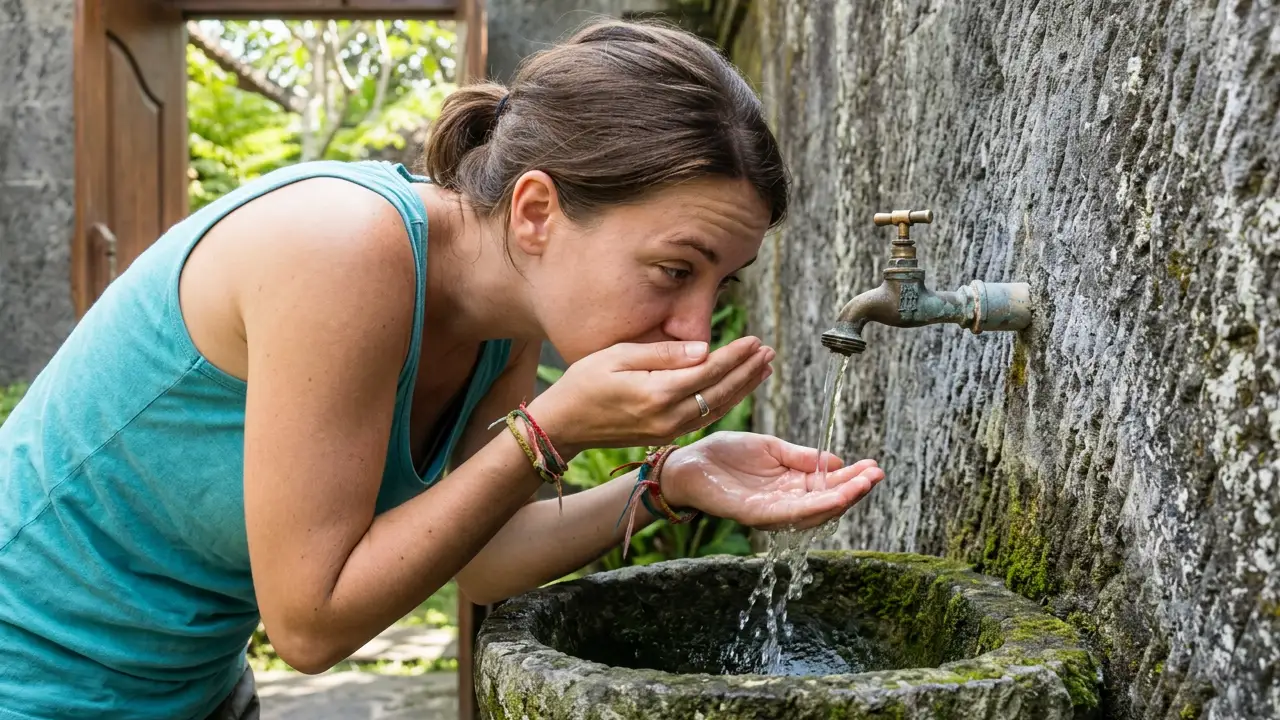
- Main causes include drinking tap water, eating raw or undercooked food, and exposure to Bali’s warm, humid climate that allows bacteria to grow quickly.
- Symptoms like stomach cramps, diarrhea, nausea, and mild fever usually clear within 24 - 72 hours. Stay hydrated, rest, and avoid dairy to recover faster.
- Some simple ways to prevent Bali belly: drink bottled or filtered water, eat freshly cooked meals, and maintain good hygiene.
Traveling to Bali is exciting, but many visitors hear about a common issue known as “Bali Belly” that can quickly disrupt their plans.
This mild stomach illness is often linked to unfamiliar food, water, or bacteria that the body isn’t used to, especially in a tropical environment.
If you’re wondering what Bali Belly actually is, how to recognize its symptoms, and what you can do to recover quickly, you’re in the right place.
This guide will break it down clearly so you can be better prepared.
What is Bali Belly?

The term “Bali Belly” is simply a form of traveler’s diarrhea—something that can happen anywhere in the world. You might hear similar conditions referred to by different names in other countries, such as ‘Bombay Belly,’ ‘Delhi Belly,’ ‘Montezuma’s Revenge,’ or ‘Rangoon Runs.’
According to International Journal of Travel Medicine and Global Health, 20-50% of travelers to Bali experience it at least once during their stay.
It’s usually caused by eating or drinking contaminated food or water, which can upset the stomach and lead to digestive problems. Common causes include bacteria like E. coli, as well as viruses and parasites.
Although it’s generally not serious and often clears up within a few days, the symptoms can be quite uncomfortable and may disrupt your travel plans. That’s why it’s important to recognize the signs early.
Is Bali Belly Contagious?
Yes, Bali Belly can be contagious and may spread from person to person. It’s usually caused by bacteria (such as E. coli), viruses (like norovirus), or parasites that are transmitted through the fecal–oral route.
The infection can spread via contaminated hands, food, or surfaces (such as toilets and doorknobs), as well as through shared utensils or close contact with an infected person.
How Long does Bali Belly Last?
Bali Belly symptoms usually last between 24 and 72 hours with adequate rest and hydration. However, in some cases, they can continue for up to a week—especially those caused by parasites.
Seek medical attention if symptoms last more than 4–5 days, or if you experience a high fever, severe dehydration, or bloody stools.
Read More: The Truth of Bali Breakup Curse (And How to Avoid It)
Bali Belly Symptoms You Must be Aware Of
The symptoms of Bali belly often appear within a few hours after eating or drinking something contaminated with bacteria. These include:
- Diarrhea (most common symptom): Frequent, watery bowel movements that can happen many times a day. This can quickly lead to dehydration.
- Stomach cramps and pain: Pain or cramping in the lower stomach, which can feel mild or strong. You might also notice bloating or a rumbling stomach.
- Nausea and vomiting: Feeling sick to your stomach is common, and some people may vomit, especially in the first 1–2 days.
- Loss of appetite: You may not feel like eating because of nausea or stomach pain.
- Fatigue and weakness: Losing fluids and not eating much can make you feel very tired, weak, or dizzy.
- Fever and chills: Some people may get a mild fever and feel cold or shaky, which means the body is fighting an infection.
How to Cure Bali Belly

Don’t worry, Bali Belly often goes away on its own, and most people recover within a day. Here are some treatments that can help you feel better faster:
- Charcoal Pills and Imodium: Activated charcoal helps absorb harmful bacteria, while Imodium can slow diarrhea and provide relief. Always check with a healthcare professional before using these.
- Avoid Imodium if You Have a Fever: If you have a bacterial infection, your body needs to flush it out naturally. Using anti-diarrhea medication too early can prolong recovery.
- Stay Hydrated: Drink plenty of bottled or filtered water (not tap water). Bali’s heat can make dehydration worse, so rest and keep your fluid intake high.
- Electrolytes: Use electrolyte drinks or rehydration salts to replace minerals lost from diarrhea or vomiting.
- Antibiotics (If Prescribed): Only take antibiotics prescribed by a doctor. Don’t self-medicate — unnecessary use can upset your gut and make symptoms worse.
- Anti-Nausea Medication: If you feel queasy, anti-nausea or motion sickness tablets can help ease discomfort.
- Avoid risky foods: Choose simple, easy-to-digest options like rice, toast, and bananas. Stay away from spicy or oily dishes, as well as milk and other dairy products.
Read More: How Early Should You Book a Bali Villa to Get the Best Pick? Honest Answer
How to Prevent Bali Belly during Your Visit
Bali’s hot and humid climate is also believed to be one of the factors that allows bacteria to grow more easily. Here’s how to avoid Bali Belly during your hot, sunny trip:
- Drink safe water: Only drink bottled or filtered water. Avoid tap water completely.
- Be careful with ice: Don’t use ice unless you’re sure it’s made from purified water.
- Wash hands often: Clean your hands regularly with soap and water, or use hand sanitizer.
- Eat freshly cooked food: Choose food that is freshly prepared and fully cooked. Avoid raw or undercooked meat and seafood.
- Be cautious with street food: Only eat street food if it looks clean and freshly made, not left sitting out for long periods
Conclusion
Bali Belly can be unpleasant, but it’s usually easy to prevent by choosing hygienic food, avoiding tap water, and washing your hands regularly.
If you do get sick, don’t worry—most cases clear up on their own within a day or so, and you’ll likely recover quickly and get back to enjoying your trip.
However, if symptoms worsen or last longer than a week, it’s best to see a doctor for proper care.
FAQ
It’s quite unlikely, but tourists can get Bali Belly more than once. This is because different bacteria and viruses can cause it, and having it once doesn’t protect you from all of them.
There isn’t a specific vaccine for Bali Belly, but the oral cholera vaccine has been shown to reduce the risk of traveler’s diarrhea. It’s safe for anyone aged two and above and is recommended by many doctors.
Yes, resting and getting plenty of sleep is strongly recommended for Bali Belly. Rest in a cool place, drink filtered water or electrolyte drinks, and avoid overexertion to help recovery.
Use bottled or boiled water for milk or formula, avoid letting kids touch dirty floors, and encourage regular handwashing while keeping hands and toys clean.