
Key Takeaways
Key Takeaways: Best Bali Areas for Digital Nomads
| Area | Best For | Lifestyle & Atmosphere | Coworking & Internet | Cost Level | Main Advantages | Main Drawbacks |
|---|---|---|---|---|---|---|
| Canggu | Social, community-driven nomads | Energetic beach lifestyle, surfing, cafés, networking, and nightlife | Widest range of coworking spaces and generally strong internet | High and rising | Large nomad community, easy networking, abundant cafés and entertainment | Heavy traffic, crowded areas, and increasing living costs |
| Ubud | Wellness-focused and budget-conscious nomads | Calm, cultural, nature-oriented, and mindful | Reliable internet, established coworking hubs, and work-friendly cafés | More affordable | Wellness activities, healthy food, nature, art, and a strong expat community | Far from the beach and airport; quieter nightlife |
| Uluwatu | Nomads seeking surf, nature, and tranquility | Relaxed surf-town lifestyle with beaches and cliffside views | Good dedicated coworking spaces, but fewer options within walking distance | Moderate to high | Peaceful surroundings, world-class surf, wellness scene, and ocean views | Spread-out locations, limited transport, and a scooter is often essential |
| Seminyak | Nomads prioritising comfort and convenience | Polished, urban, upscale, and internationally oriented | Stable internet, premium work-friendly cafés, and several coworking spaces | High to premium | Central location, strong infrastructure, dining, shopping, beach clubs, and airport access | Expensive, touristy, and fewer major coworking hubs than Canggu |
Bali has many beautiful places and tourist attractions, but not every area is great for digital nomads. Most nomads today stay in Canggu or Ubud, though Uluwatu and Seminyak are also good options.
Each area has its own vibe, so pick one that matches your lifestyle. Here’s the detailed breakdown for each location so you can decide which one suits you best.
1. Canggu – The Hotspot for Digital Nomads

Canggu is one of Southeast Asia’s top digital nomad destinations, second only to Chiang Mai in Thailand. Most first-time nomads in Bali start here.
Canggu is a trendy beach town with surf schools, co-working spaces, rice fields, and lively nightlife. Its modern infrastructure makes it easy to settle in and get work done, which is why it’s so popular with digital nomads in Bali.
Many nomads here work from a cafe in the morning, then go surfing at sunset before dinner, all within an 8-kilometer stretch of coastline. The area is also just a 30-minute drive from the international airport.
Best for: Community-driven, high-energy and social nomads
Recommended Canggu neighborhood for digital nomads:
- Batu Bolong: Known for its great nightlife and walkability, many expats choose this area. It’s lively and social, but also the most crowded part of Canggu.
- Berawa: Best for networking and focused work, with moderate crowds.
- Pererenan: Offers quiet, upscale living in Canggu with fewer crowds. It’s great for a laid-back, local atmosphere.
Co-working spaces in Canggu:
- Zin Cafe: A free co-working space with fast internet. Open from 8am to 9pm on weekdays and until 4pm on Sundays. It’s ideal for nomads working European hours.
- Alchemy Canggu: A vegan cafe near Batu Bolong Beach (on Jalan Tanah Barak). It’s not the best for work calls due to some background noise, but it’s still manageable. Open daily from 7:30am to 9:30pm.
- 12 Urban Cafe: Offers both indoor and outdoor seating, with plenty of plugs at each table. It has fast internet, not-too-loud music, and even hosts movie nights on some days. Open daily from 8am to midnight, making it a good choice for those working European or UAE hours.
Pros:
- Tons of co-working spaces for all types of work styles, from quiet spots to social hubs.
- Strong internet connections (speeds of 100 to 200 Mbps are standard here)
- Easy access to daily needs: cafes, markets, restaurants, and hotspots like beach clubs, beaches, pubs, and bars.
- It’s easy to meet other expats and join the nomad community.
Cons:
- Costs have increased over time.
- Traffic can be frustrating, especially at peak times.
Read More: Best Things to Do in Canggu, Bali: An Insider’s Guide
2. Ubud – A Cultural Escape with Lower Costs
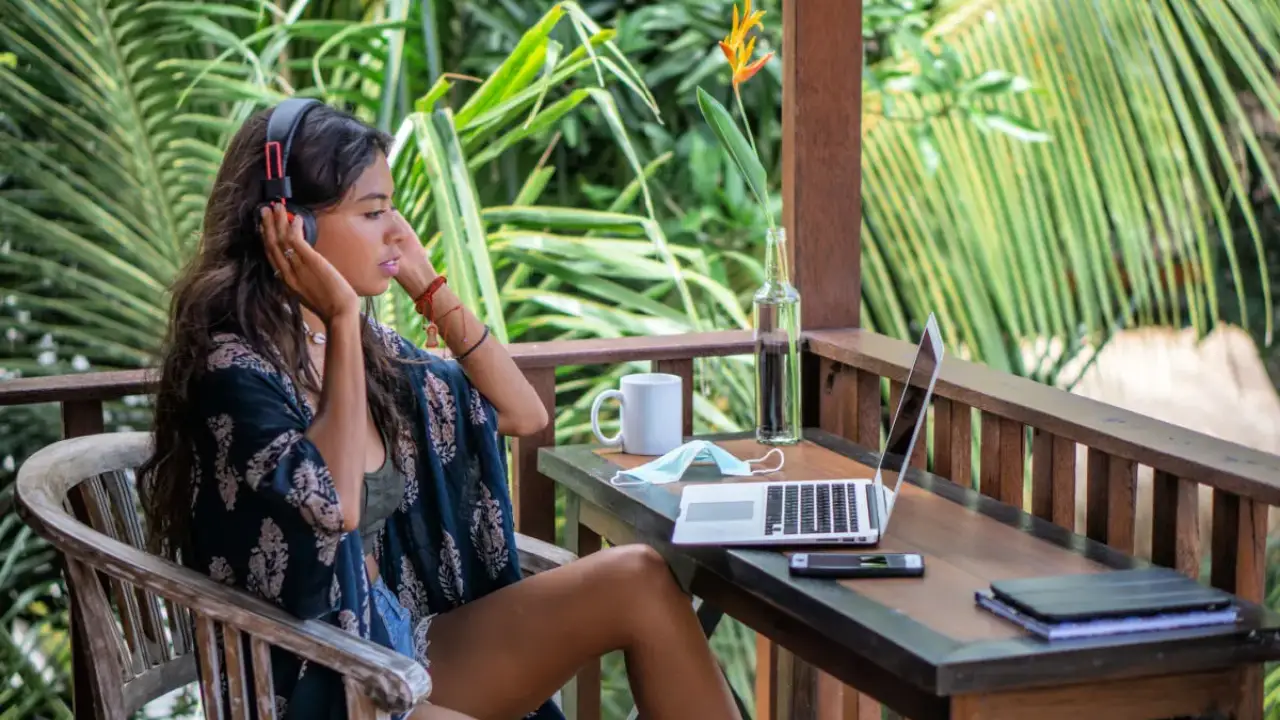
Ubud is known as the cultural and spiritual heart of Bali. It’s inland, with cooler weather, beautiful rice terraces, and more affordable places to stay than Canggu.
It’s a favorite for digital nomads interested in wellness (like yoga, meditation, and holistic health), nature, culture, and a slower pace of life. Ubud’s atmosphere is focused on art, organic food, and mindfulness.
Ubud now has good infrastructure. You’ll find plenty of co-working spaces with reliable internet, cozy cafes, expat communities, and facilities like hospitals and markets.
Best for: Wellness-focused, introspective, and budget-conscious digital nomads
Recommended Ubud neighborhood for digital nomads:
- Penestanan: Located just northwest of the main center of Ubud. Home to popular remote work infrastructure.
- Nyuh Kuning: Located just south of the Monkey Forest in Ubud, this area is surrounded by local artisan shops. It’s a quieter residential choice with established nomad community hubs.
Co-working spaces in Ubud:
- Outpost Ubud co-working: One of the original co-working spaces in Bali, it also offers accommodation and serves as a community center. Facilities include ergonomic chairs, both offline and virtual office setups, dedicated desks, discounts, and member-only events. It’s open 24 hours.
- Onion Collective: The Onion Co combines a restaurant, co-living, and co-working in one cozy, freelancer-friendly space. There’s an 8-hour package that includes lunch. The vibe is laid-back and focused. Open from 8am to 11pm.
- Ubud.Space: Offers fast internet (around 200 Mbps), open areas, and meeting rooms for small or large groups. It’s affordable, with good coffee and comfortable tables, though seating is more cafe-like than office-like.
Pros:
- Great for wellness enthusiasts, art lovers, and anyone seeking a calmer, more mindful lifestyle.
- More affordable than Canggu.
- Strong expat community.
- Plenty of healthy food options.
Cons:
- It’s getting more crowded, especially during tourist season.
- Not ideal for party seekers or beach lovers.
- Far from the airport.
Read More: 6 Less Touristy Places in Bali You’ll Love (Quiet Hidden Gems)
3. Uluwatu – Surf and Solitude
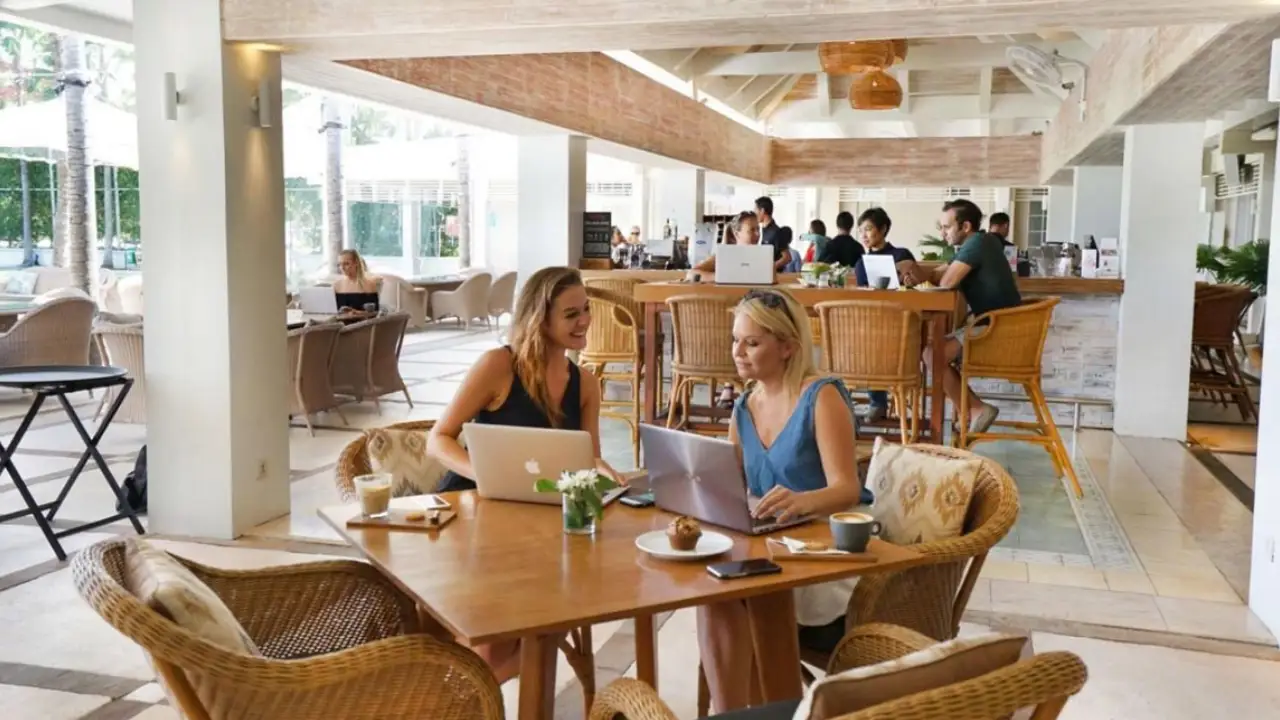
Uluwatu is great if you want a quieter place with amazing surf and ocean views. It’s more spread out than Canggu or Ubud, so there are fewer co-working spaces or cafes within walking distance. But if you love being close to nature, it’s a good choice.
This area offers beautiful cliffside views, peaceful beaches, and a slower pace of life. Many nomads come for the world-class surf, yoga retreats, or simply to relax.
Best for: Tranquility-seeking digital nomads
Recommended Uluwatu neighborhood for digital nomads:
- Bingin: Lively and focused on surf culture, with lots of trendy organic cafes, coffee shops, and boutique co-working hubs. It’s great for socializing and is very walkable.
- Ungasan: More peaceful and best for budget-friendly, quiet living. The vibe is more authentically local, but it’s about 10-20 minutes from daily errands, so you’ll need your own motorbike.
Co-working spaces in Uluwatu:
- Uluwatu Hub: It offers fast, reliable fiber-optic internet, Wi-Fi, and cable connections, plus an on-site restaurant (8 am to 10 pm). A monthly membership costs 2.5 million IDR and includes printing, free parking, and access to two swimming pools. Daily access is also available (200K - 250K IDR for 10-24 hours).
- The Space Bingin: A great fit for yogis and wellness entrepreneurs in Uluwatu. It has a healthy, active community (with a yoga class, a breathwork workshop & puppy yoga), and a variety of work areas—including desks, ergonomic chairs, reliable internet, 4K monitors, and private offices (4-6 people). An unlimited monthly pass costs 2.7 million IDR.
- The Inbox Office Co-Working Space in Uluwatu: It offers virtual office services and dedicated desk rentals by the week or month. You can also set up a PO Box at their address. The space is open 24/7 on weekdays, until lunchtime on Saturday, and closed on Sunday. Weekly rates are 800K IDR, while monthly rates are 2.5 million IDR.
Pros:
- It’s another good option for wellness enthusiasts besides Ubud.
- Peaceful with beautiful world-class surf spots.
- Strong expat community
Cons:
- Public transport is very limited, even for ride-hailing apps.
- Some roads are narrow, so having your own scooter is almost essential.
4. Seminyak – The Hub of Premium Comfort for Effortless Expat Living
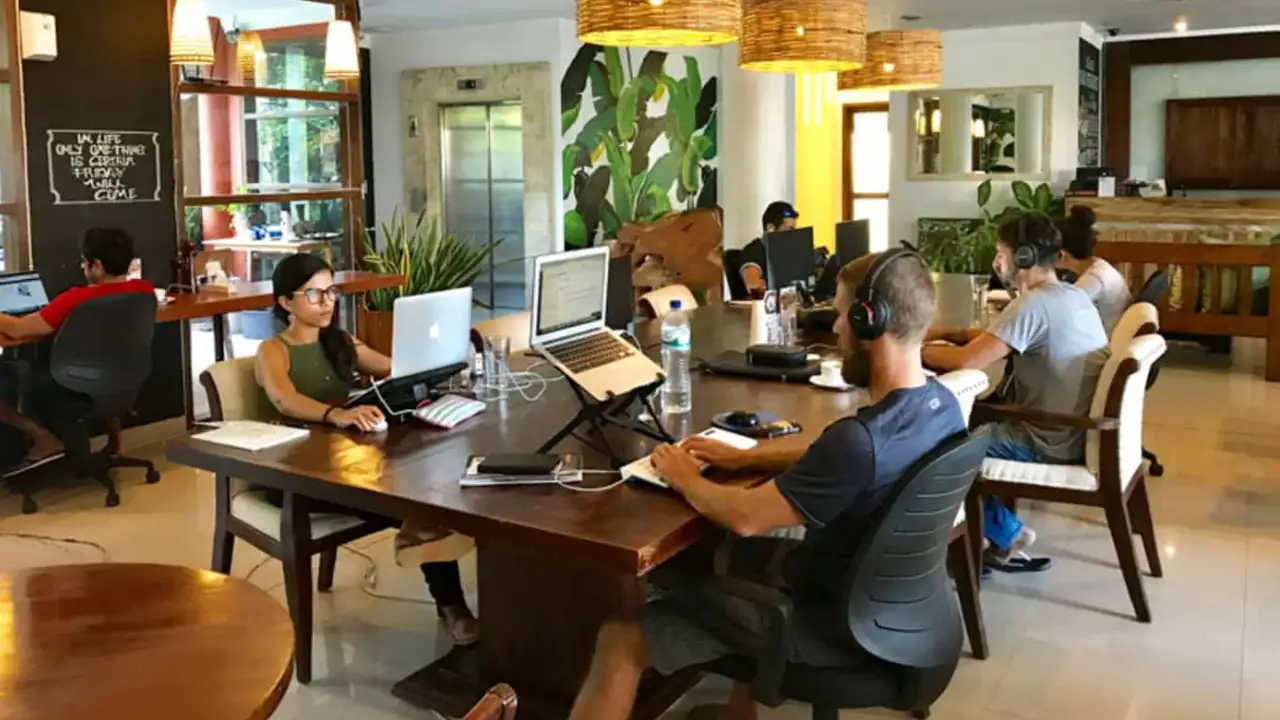
Seminyak is ideal for digital nomads who want beach life, surfing, and upscale convenience. Compared to Uluwatu’s laid-back surf-town feel or Canggu’s lively, youthful energy, Seminyak is more polished, developed, and urban.
Here, you’ll find great infrastructure, with reliable sidewalks, upscale boutiques, and plenty of fine-dining options and great beach clubs. The area has a strong international community and stable internet, making it easy for newcomers to work and network.
Expats often choose Seminyak for its easy access to services, relaxing beachside sunsets, and comfortable urban lifestyle.
Best for: Digital nomads who value luxury and comfort.
Recommended Seminyak Neighborhoods for Digital Nomads:
- Central Seminyak and Double Six: Lively areas with walkable streets, lots of modern villas, popular beach bars, and cafes with sea views.
- Sunset Road & Nakula: Positioned slightly inland along South Bali's main arterial road. This zone offers a quieter, more business-oriented professional ecosystem with larger, more affordable coworking spaces. It is strategically located for quick scooter access to both Canggu and the airport.
Co-working Spaces in Seminyak
- Biliq Seminyak: A unique coworking space with poolside desks, indoor focus areas, call zones, Skype rooms, and a nap room. Passes start from IDR 150,000 per day, with 24/7 access available for monthly members.
- Work Hub Coworking Space: A spacious Sunset Road workspace offering natural light, free-flow drinks, a café, gym, and prayer room. Day passes start from IDR 195,000, with occasional buddy-pass promotions.
- KE{M}BALI Innovation Hub: A community-focused workspace with shared desks, meeting rooms, an event space, and a backyard café. Rates start from IDR 30,000 per hour or IDR 125,000 per day.
Pros:
- Superior urban infrastructure compared to nearby areas, with well-maintained sidewalks and lower mosquito activity.
- There are plenty of premium, laptop-friendly cafes, boutique beach clubs, and high-end international restaurants.
- The area is centrally located, bordering Canggu, Legian, and main roads to the airport.
Cons:
- Seminyak is one of the more expensive areas in Bali, with typical lifestyles costing $1,500 to $2,000 USD or more per month.
- The neighborhood feels quite touristy and commercial, so it doesn’t have as much of a local vibe.
- Slightly fewer dedicated, massive standalone coworking mega-hubs directly in Seminyak than in neighboring Canggu.
Read More: Invest in Seminyak: Insider Look at High Returns & Luxury
What Does Digital Nomad Life in Bali Look Like?
Every digital nomad’s experience in Bali is different. You’ll meet people from all walks of life—crypto traders, online coaches, social media managers, marketers, tutors, content creators, and entrepreneurs running their businesses online.
Some nomads spend just a few months in Bali before moving on, while others stay as long as their visa or budget lets them. Many explore different parts of the island while working remotely for clients abroad.
It’s important to know that most digital nomads in Bali get paid into foreign bank accounts and don’t earn income in Indonesia. Nomads aren’t allowed to receive money from Indonesian companies or sell their services in the local market.
Currently, Indonesia doesn’t have an official Digital Nomad Visa. However, many remote workers use the Visit Visa (B211A for business), which lets you stay for up to 180 days.
Read More: Can You Make Money in Bali Without a Work Permit?
Find Your Stay Seamlessly with Bali Villa Realty
If you’re planning to live in Bali long-term as a digital nomad, finding the right place to stay is important. At Bali Villa Realty, we can help you find a long-term villa rental that fits your needs, with secure and legal paperwork in your preferred area and budget.
Our villas are perfect for anyone looking for comfort, privacy, and functionality. They offer:
- High-speed Wi-Fi and dedicated workspaces
- Peaceful surroundings close to cafés and coworking hubs
- Flexible rental terms for short or long stays
- We have options in all the main nomad areas: Canggu, Ubud, Seminyak, and Uluwatu.
Feel free to browse our long-term villa rentals in Bali, or contact us anytime if you’d like a personalized recommendation.
Bonus: Best Bali Coworking Spaces to Work From Cafe (WFC)
1. Tropical Nomad – Best Canggu Coworking Space for Full-Time Workers
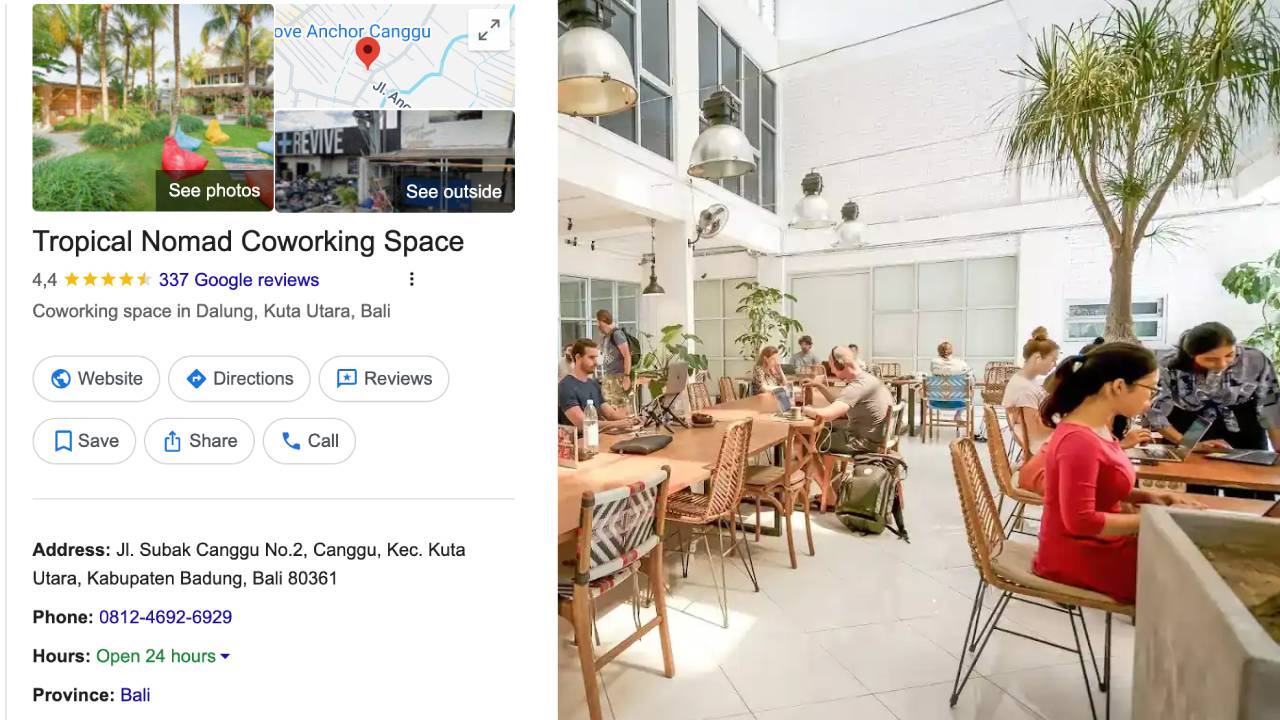
Tropical Nomad is one of Canggu’s most popular coworking spaces, and for good reason.
It offers flexible membership options — including day passes, weekend access, and monthly packages. You can even try it out for a day free before committing.
Best for: Full-time remote workers, freelancers, and creators who want a well-equipped workspace with community vibes.
Perks include:
- Reliable high-speed Wi-Fi
- Communal tables, air-conditioned rooms, private offices, and phone booths
- An on-site café serving coffee, smoothie bowls, snacks, and fresh coconuts
- Occasional workshops, language classes, and even movie nights
- Clean, productive environment with a social community
Pricing: 100-hour monthly pass at around 1.9 million IDR (~$117 USD)
2. Tribal – Best Coworking Hub without Membership
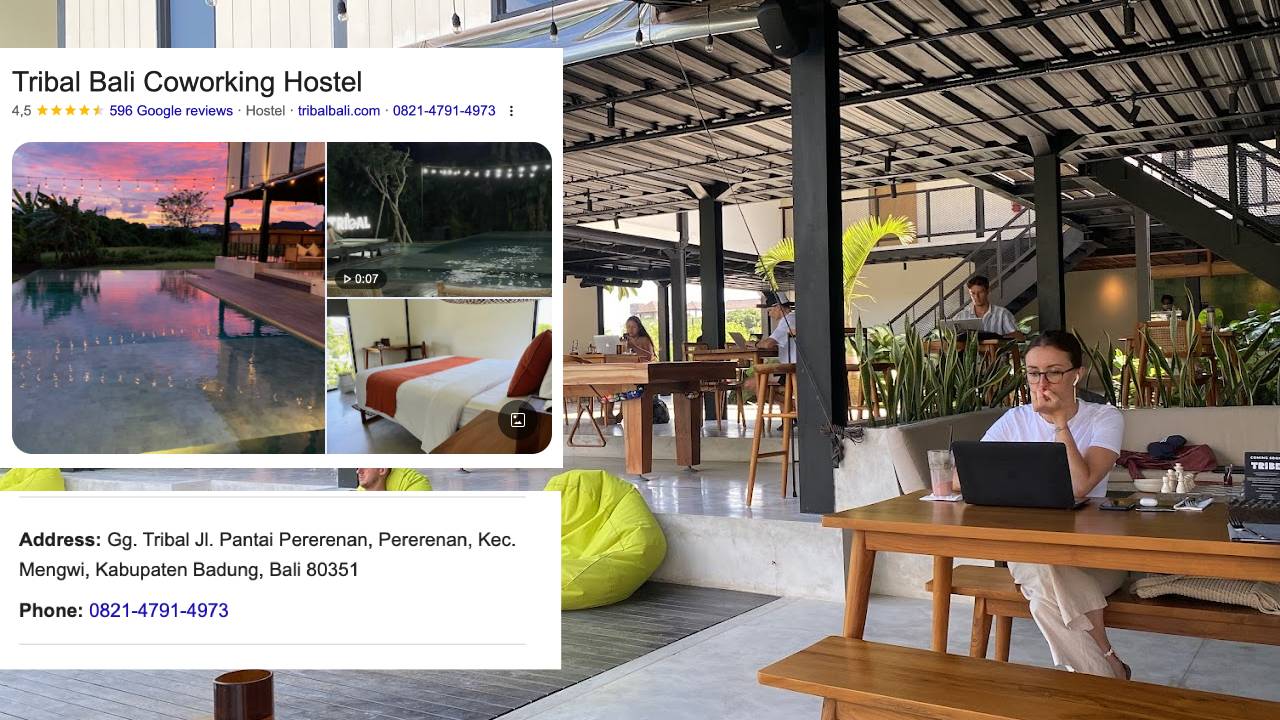
Located in Pererenan, Tribal is a work-friendly café/coworking hybrid. No membership is needed — just order food and drinks while you work.
It also offers delicious vegan-friendly menu besides regular dishes, including fresh coffee and juices.
Best for: Digital nomads who want to work without committing to a membership and enjoy a relaxed, creative vibe.
Perks include:
- No upfront fees — just pay for what you consume
- Delicious vegan-friendly menu
- A pool you can actually use while coworking
- Board games, foosball table, and good social energy
- Still quiet enough to focus, even with a fun atmosphere
Pricing: Menu starts from Rp80,000 (~$4)
3. Touché – Best for Short Work Sessions
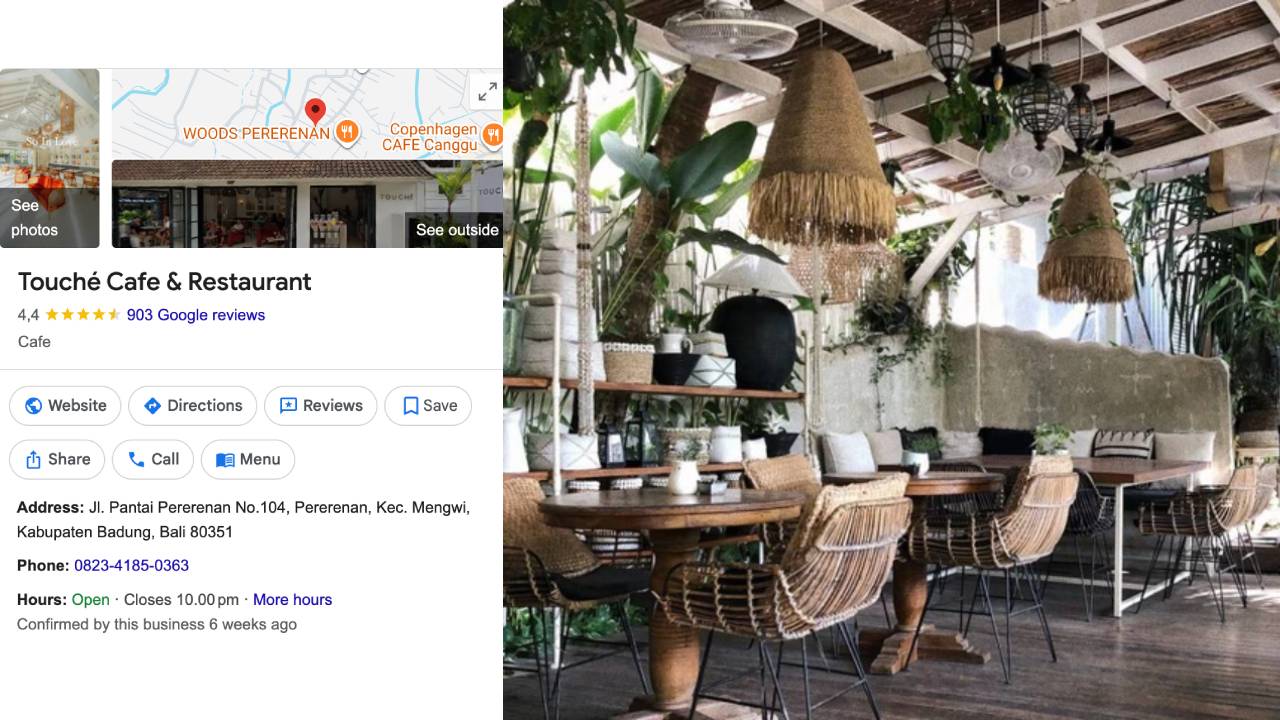
Touché in Tumbakbayuh, Canggu is a cafe rather than a dedicated coworking space. However, it’s a favorite for digital nomads looking to squeeze in a couple of focused hours.
It has a light work sessions in a stylish, open café setting with comfortable seating and good Wi-Fi connection.
Best for: influencers or content creator who wants to make contents
Perks include:
- Comfortable seating with good Wi-Fi
- Stylish decor and airy atmosphere
- Great coffee, breakfast, and brunch options
- Budget-friendly
- They also sell fresh flowers and branded tote bags
Pricing: Menu starts from ~Rp100,000 (~$6)
4. Honey, / Honey Kitchen Bali – Best Casual Co-working Café for Dog Lovers
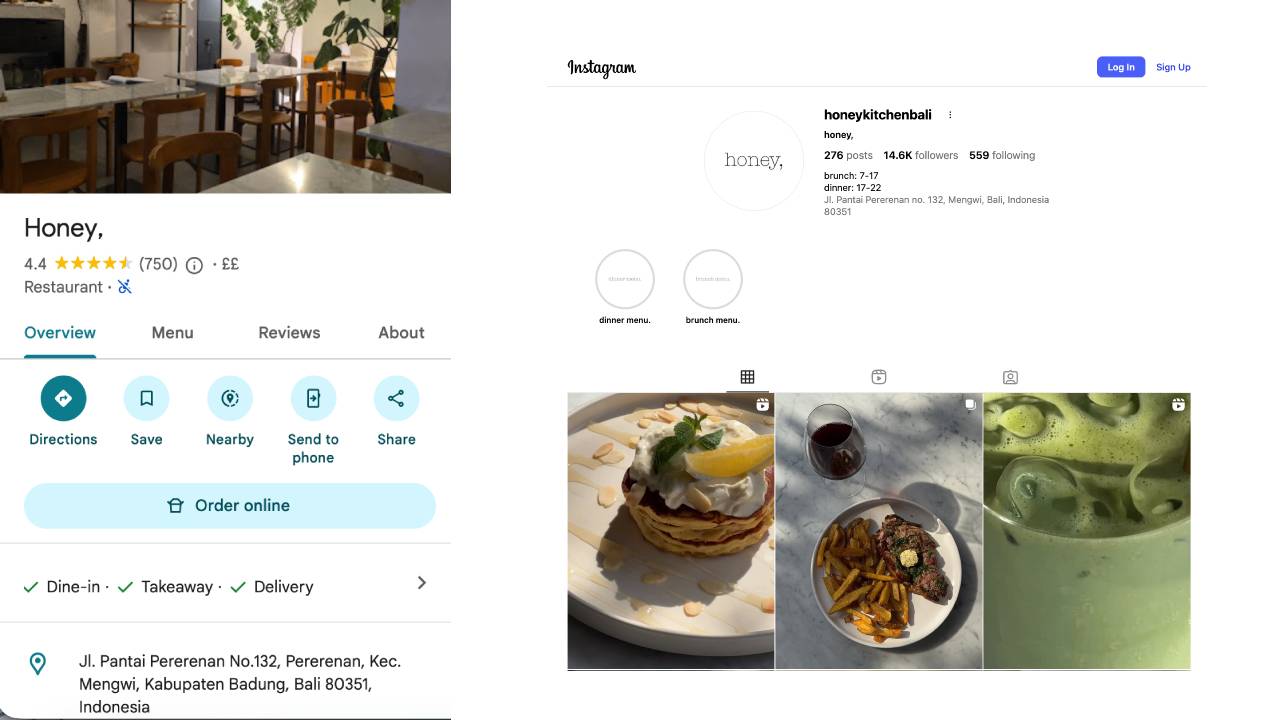
Also near Pererenan Beach, Honey has become a magnet for laptop-luggers.
It offers a relaxed setting with plenty of natural light and Wi-Fi, plus a few furry friends (yes, there are resident dogs that hang out on their doorsteps).
Best for: Remote workers looking for a chill environment.
Perks include:
- Indoor and outdoor seating with air conditioning
- Reliable internet and a peaceful vibe
- Casual but welcoming for those who need to work a few hours
Pricing: Menu starts from Rp100,000 - Rp250,000 ($6 - $15)
Read More: Bali Belly Explained: Meaning, Symptoms, and How to Cure It Fast
Conclusion
Being a digital nomad in Bali is about more than just remote work—it’s a chance to redefine your lifestyle. Each area of Bali has its own vibe.
If you want a lively, vibrant community, try Canggu. If you love nature and want more work-life balance, Ubud might be the right fit.
Bali Villa Realty is here to make the transition seamless. Feel free to ask us further questions anytime.
FAQ
Most digital nomads in Bali depending on lifestyle and location. Canggu and Uluwatu are pricier; Ubud offers more affordable options.
Yes, it’s possible to live on $1000 USD per month in Bali, but it depends on your lifestyle and where you stay. This amount of money give you a simple and modest lifestyle for expats, not luxury living.
Yes. Bali is generally safe and welcoming. Just take normal precautions with valuables and transportation.
The "6-month rule" refers to the minimum validity your passport must have when entering Indonesia. To enter Bali, your passport must be valid for at least 6 months from your date of arrival.